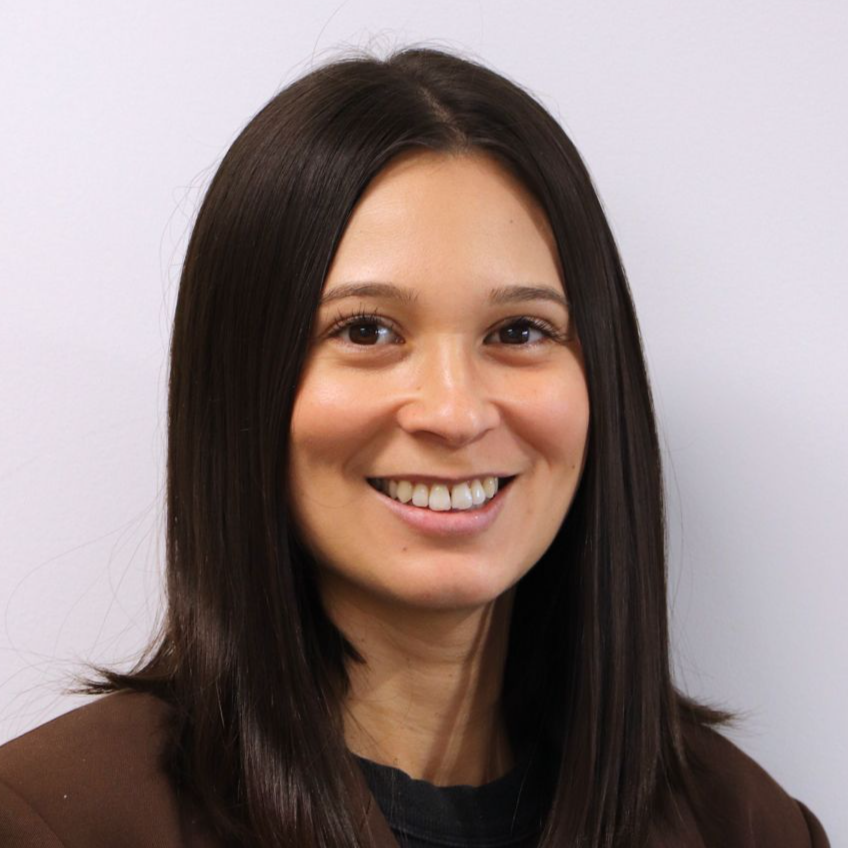
Ngāti Pūkenga Iwi ki Tauranga Trust trustee and taiao (environment) advocate Manu Caddie. Photo / Supplied
Ngāti Pūkenga Iwi ki Tauranga Trust trustee and taiao (environment) advocate Manu Caddie. Photo / Supplied
A Tauranga iwi wants greater restoration and protection of the taiao (environment) as the Bay of Plenty Regional Council proposes changing how its $3 billion investment portfolio is managed.
Ngāti Pūkenga Iwi says the current strategy is “stealing from the future” and called for a “reoriented” fund that wouldinvest in initiatives such as climate adaptation.
In February, the council proposed an amendment to its long-term plan 2024-2034 to restructure its investment portfolio.
The portfolio is held by the council-controlled organisation (CCO) Quayside Holdings on behalf of the Bay of Plenty community.
Quayside manages it independently and provides an annual dividend to the council.
In its February proposal, the council defined three actions to achieve what it wanted from its investments in its consultation document.
It proposed that the amount allocated for environmental work, other council functions and reduced rates be limited to $50m plus inflation each year.
It also proposed using any surplus investment returns above the $50m to support regionally beneficial infrastructure development.
The third action concerned the ability to recycle capital. The council was using $200m of debt to finance the development of the Rangiuru Business Park. This debt would be repaid as the land was sold and developed.
To better achieve these goals, the council’s preferred restructure option was a “hybrid model” and would involve separating the port and non-port assets from the special-purpose assets into two CCOs.
Other options included creating a CCO Trust to hold all investments held by Quayside, partner with an existing community trust, or retain the status quo.
Iwi challenges portfolio’s purpose
A Ngāti Pūkenga Iwi ki Tauranga Trust statement last Thursday said its concern was that the investment portfolio’s purpose had not been included in consultation.
Trust chairperson Kylie Smallman said consultation for a fund built from the land and natural resources should focus on “purpose before structure”.
The trust called for the fund to become a “regional endowment” for environmental resilience, intergenerational wellbeing, and ecological restoration, modelled on other international funds.
Norway’s Government Pension Fund Global managed its revenues with an “explicit obligation to future generations” and the Alaska Permanent Fund distributed returns directly to residents, the trust said.
“The Bay of Plenty ... has the opportunity to apply this kind of approach at a regional level.”
The trust said consultation treated environmental programmes as a “downstream use of investment income”, reflecting an “outdated understanding” of how economies and ecosystems related.
It said extreme rainfall, flooding, coastal erosion, sedimentation of awa (rivers) and estuaries, and accelerating biodiversity loss were risks that could impact infrastructure, insurance, productivity, and regional resilience.
A “reoriented” fund would invest in “nature-based infrastructure” such as wetland creation and floodplain restoration and co-funding for managed retreat and climate adaptation.
Investment returns included reduced infrastructure costs, improved ecosystem health, and alignment with the kaitiaki (guardian) responsibilities of mana whenua.
Trustee and taiao advocate Manu Caddie says the regional council's $3b investment portfolio needs to be protected for environmental wellbeing. Photo / Supplied
Trustee and taiao advocate Manu Caddie said in the iwi’s view, the current investment strategy was “stealing from the future”.
“In terms of biodiversity protection and restoration, anything not going into environmental outcomes is theft from te taiao and future generations.”
While Ngāti Pūkenga recognised the importance of regional assets generating long-term economic value, it believed wealth generated from natural resources carried a responsibility to “actively restore and protect the taiao“.
It called for a governance structure that included mana whenua appointment rights to a body with “real authority” over the fund’s investment mandate and for someone to formally represent the perspective of te taiao.
“We need to protect the asset for environmental wellbeing before central government or a restructured local government entity tries to expropriate it for other purposes,” Caddie said.
Bay of Plenty Regional Council chairwoman Matemoana McDonald. Photo / Supplied
In a statement, council chairwoman Matemoana McDonald said it was unable to comment on specific or potential submissions because they were intended to inform its decision-making on the proposals.
This stage of the consultation process had not yet taken place.
“Regional decisions are strongest when shaped by local voices. By participating in this consultation, communities help guide how we manage long-term assets, and how best to invest in economic development and environmental management.
“This is an opportunity to influence the decisions that will guide our region for years to come.”
McDonald said there was still time to make a submission before consultation closed on Thursday.
Feedback would be considered through the consultation process, including hearings and deliberations, before final decisions were made and the documents were adopted in June, McDonald said.
In November, the Government proposed abolishing regional councillors and replacing them with Combined Territories Boards comprised of local mayors.
Submissions were due in February and would be reviewed before draft legislation was drawn up by the middle of the year, which the Government aimed to pass into law in 2027.
Megan Wilson is a health and general news reporter for the Bay of Plenty Times and the Rotorua Daily Post. She has been a journalist since 2021.