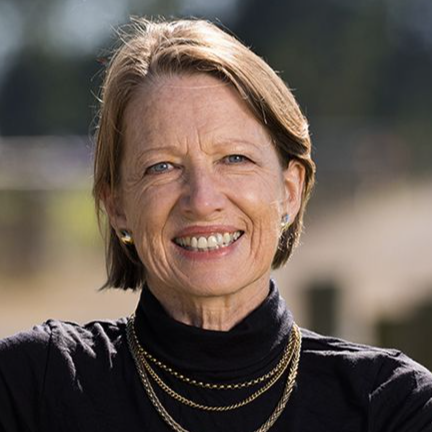
Dr Jacqueline Rowarth is Adjunct Professor at Lincoln University, a farmer-elected director on the DairyNZ and Ravensdown boards, and a member of the Scientific Council of the World Farmers' Organisation.
Subscribe to listen
Access to Herald Premium articles require a Premium subscription. Subscribe now to listen.
This is farpreferable to the alternative but needs something more.
That something is growth – otherwise the green shoots that have been welcomed will wither on the vine.
Ensuring that the economy continues to grow requires ongoing productivity gains.
Economist Cameron Bagrie is clear in his explanations: “The agriculture sector is consistently a 2%-per-year productivity story. The problem is that the decade average for the rest of the economy is 0.3%.”
In some cases, this will mean more dairy cows, with a consequent decrease in chemical use as grass replaces crops, and a decrease in potential nitrogen leaching from soil organic matter to waterways – dairying means decreased cultivation of the soil.
Keeping pasture cover means nitrogen uptake from the soil by plants continues.
Per hectare, milk production also feeds more people their indispensable amino acids for fewer greenhouse gases than cereals.
Listen to Jamie Mackay interview Dr Jacqueline Rowarth on The Country below:
In the productivity stakes, the arable farmers wouldn’t be considering a change if they didn’t think dairying would provide a better future for their families.
Their better future also means increased income for the country with exports, taxes and employment.
Sense Partners’ report for the Dairy Companies Association of New Zealand, now over two years old, showed the contribution that dairy employment makes to the regions.
In 2023, dairying was a third of employment in Waimate, but over 50% of wages.
For South Taranaki, the 26% employment share equated to a 41% share of wages paid in the district.
The same is true for the Southland District, where dairy provided 5.4% of jobs and accounted for 28% of wages.
Regions benefit from dairy farming and processing and the money spreads out.
Dr Jacqueline Rowarth is Adjunct Professor at Lincoln University, a farmer-elected director on the DairyNZ and Ravensdown boards, and a member of the Scientific Council of the World Farmers' Organisation.
More dairy farmers mean more electricians and mechanics, more veterinarians, more supermarket employees, more teachers.
And the taxes mean more money for the Government to spend on infrastructure, health, education and whatever else is needed by society.
Mostly, what is “needed” is thought to be a decrease in the cost of living.
Food is often blamed, but the latest data from StatsNZ show that the largest contributors to the annual inflation rate were “housing and household utilities”.
In the 12 months to the December 2025 quarter, electricity was up 12.2% and local authority rates and payments were up 8.8%.
Food did contribute and is fourth and sixth on Stats NZ’s contributor list, with overseas accommodation fifth.
Productivity gains on the land can assist with costs of production, but farmers and growers do not set the price consumers pay.
Productivity gains on the land will, however, assist with increasing incomes and affordability of living, including the holidays that have been enjoyed around the country and world during recent months.
The Government has been working to enable productivity gains by reducing paperwork in councils (local government reorganisation) and in businesses (which include those of farmers and growers).
The overall goal of sustainability has not changed, but the path to growth has.
New Zealand farmers have a track record of evaluating land-use change successfully, not just with dairying (delicious high-quality protein), but also kiwifruit (delicious and full of vitamins but not protein) and grapes for wine (simply delicious).
Mānuka honey and goat and sheep milk, all with health promotion, have been somewhat boom and bust, showing the fickleness of the “health” attraction.
Buffalo, alpaca and ostriches have mostly faded from being “the next-best thing in production” into “an interesting activity to have tried” (except for a few enthusiasts still enjoying what they are doing and finding a market for their niche product).
Productivity growth means aligning what we can produce with what people overseas want to eat.
High-quality protein, produced sustainably, appears to be the answer.
New Zealand farmers are already answering the call.
Dr Jacqueline Rowarth is Adjunct Professor at Lincoln University, a farmer-elected director on the DairyNZ and Ravensdown boards, and a member of the Scientific Council of the World Farmers’ Organisation.