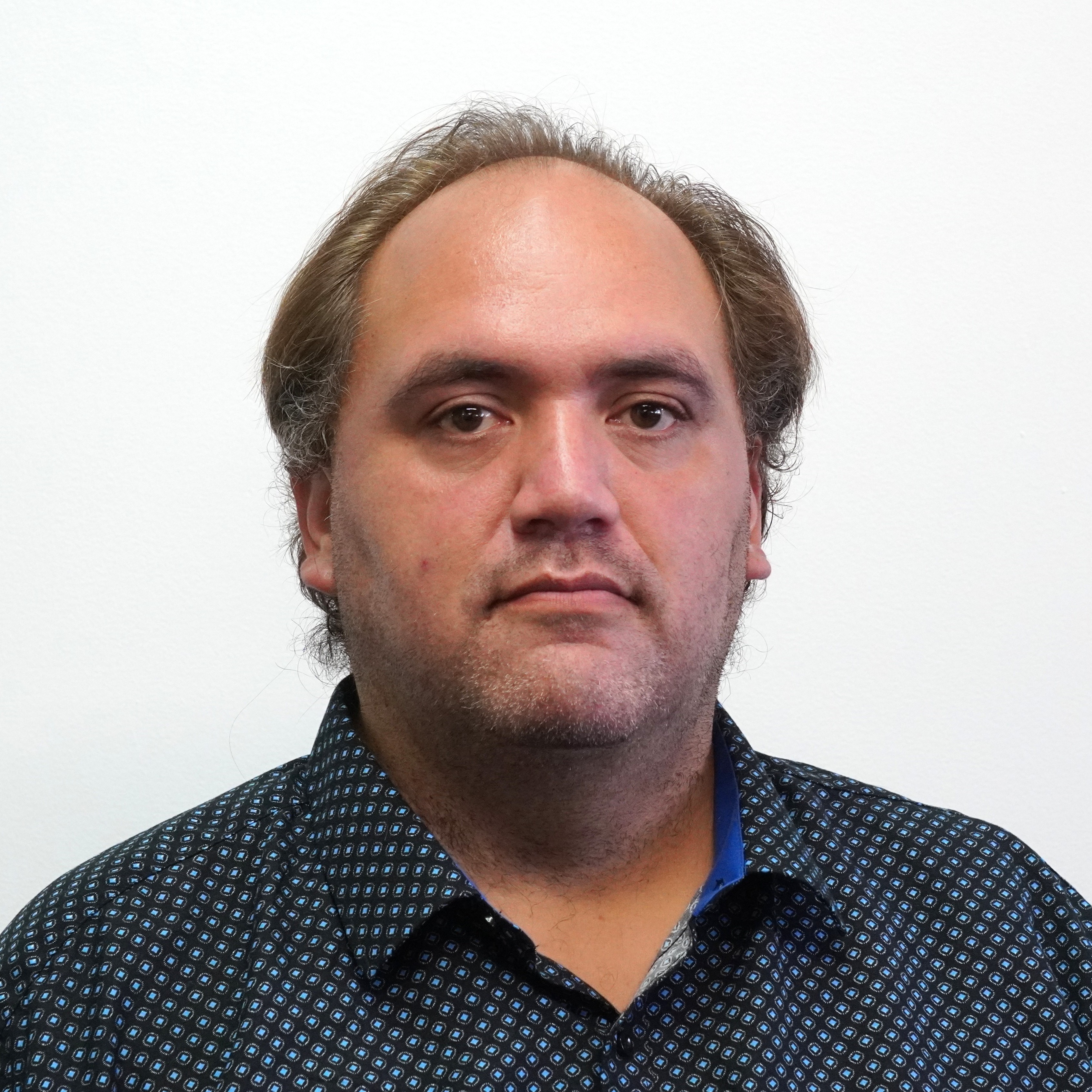
In addition, he informed Local Democracy Reporting that he wanted Waitomo and Ōtorohanga to merge into his proposed King Country council.
This lines up with what the Government asked of local government when it called for proposals on future council structures on Tuesday.
RMA Reform and Infrastructure Minister Chris Bishop and Local Government Minister Simon Watts issued an edict giving councils an ultimatum: “Lead your own reform, or we will do it for you.”
Bishop said change was needed because our local government system was, “too complex, too costly, and too hard to navigate”.
“From today, councils have three months to work with others in their region and put forward proposals for how they want to reorganise their local government arrangements,” Watts said on Tuesday.
“Proposals should focus on creating larger, more efficient unitary authorities that streamline functions, reduce duplication and improve decision-making.”
Ōtorohanga started early as well
Ōtorohanga Mayor Rodney Dow told Local Democracy Reporting his council was headed in a similar direction.
“With the information we had at the time we discussed amalgamating, it was considered better for the people of our district to develop strategic partnerships and shared services,” Dow said.
While the Waikato Mayoral Forum had begun to discuss a variety of options, the Government’s ultimatum seeking larger units had taken smaller options off the table.
Dow explained his next move.
“With the Government now talking about forced amalgamation, we will discuss this at our meeting next week and consider what is best for the Ōtorohanga District Council’s people.”
‘Turkeys don’t vote for Christmas’
This isn’t Waitomo and Ōtorohanga’s first amalgamation rodeo, with the issue dating back to the early 2000s.
In 2004, voters rejected a proposed merger between the two councils.
In 2024, Robertson floated the idea of a merger again.
A 2014 proposal of a “mega merger” of Hamilton City, Matamata-Piako, Waikato and Waipā, including parts of Ōtorohanga, South Waikato and Waitomo, also stayed stuck to the drawing board.
The Waikato Chamber of Commerce has also repeatedly raised amalgamation for all Waikato councils as a hot topic.
A 2023 entry on the chamber’s website recounts its travail and the multiple rejections of mergers by Waikato councillors, saying “turkeys don’t vote for Christmas”.
Benefits of an amalgamation, according to the chamber, included forming a united front to approach central government, increased efficiencies and possible rate reductions.
One council to rule them all?
Regional councils are unable to table submissions on the future authorities that will replace them.
In a media release issued by Waikato Regional Council, one of the regional authorities to be abolished in 2028, council chairman Warren Maher said it wants one unitary authority and it’s ready to work with the Waikato Mayoral Forum to develop it.
He said the Mayoral Forum discussions that had taken place needed to continue.
“We’re focused on how we can operate at the right scale while improving efficiency and strengthening service delivery,” Maher said.
“There are naturally a range of views around the table on how best to achieve this, and we respect the different perspectives.”
Robertson said he wants no part in this proposal, saying King Country was better off together, but it must clear its own path.
“Rural representation would be lost with a Hamilton-centric ‘supercity’ absorbing our district.
“Such a structure would be urban-focused, with minimal understanding of the infrastructure needs of our rural areas.
“I agree that some council amalgamation is needed, but not the Auckland supercity model.”
Who will pay for change?
Maher also said charting the path to the future wouldn’t be easy.
“This is complex, resource-intensive work, and at present there is no dedicated funding to support councils through this process,” he said.
Council advocacy group Local Government New Zealand (LGNZ) had expressed similar sentiments.
“The Government should consider practical support, including regulatory relief from processes that may become redundant and financial support mechanisms such as transition loans,” LGNZ president Rehette Stoltz, said.
Bronson Perich is a Local Democracy Reporting journalist for Taupō and South Waikato based at the Waikato Herald.
– LDR is local body journalism co-funded by RNZ and NZ On Air.