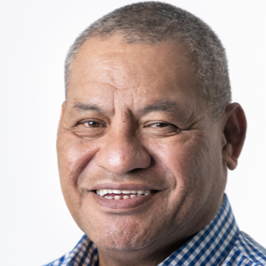
Corrections Minister Mark Mitchell, left and Department of Corrections chief executive Jeremy Lightfoot in the new 598 bed Waikeria prison. Photo / Mike Scott
Corrections Minister Mark Mitchell, left and Department of Corrections chief executive Jeremy Lightfoot in the new 598 bed Waikeria prison. Photo / Mike Scott
A protest is planned against the expansion of Waikeria and Christchurch Men’s prisons today.
The prison population is projected to reach a record high of nearly 14,000 in the next decade.
People Against Prisons Aotearoa criticises the government’s approach, highlighting high costs and Māori incarceration rates.
Corrections Minister Mark Mitchell said government policies prioritise community safety and prisoner rehabilitation.
People protesting the expansion of Waikeria Prison and Christchurch Men’s Prison will take to the streets today.
A hīkoi from the Department of Corrections’ National Office in Wellington - organised by People Against Prisons Aotearoa - is expected to reach the lawn outside parliament between 12pm and 2pm.
“The prisonpopulation is only growing because of totally reversible decisions this government has made” said organiser Mallory Stevenson.
But Corrections Minister Mark Mitchell told the Herald people are in prison to keep the community safe, and they can be rehabilitated while they are there.
The expansion to Waikeria and Christchurch Men’s is part of Corrections’ preparation for a major prison population increase: inmate numbers are expected to reach nearly 14,000 in the next decade.
An 810-bed expansion planned for Waikeria was announced in May of last year, and a 596-bed facility opened just a week ago.
This year’s budget also announced a 292-bed expansion to Christchurch Men’s Prison.
And with Māori making up 52% of the 10,641 inmates, despite making up only 17% of the population, expect more Māori to be locked up.
People Against Prisons Aotearoa spokesperson Dr Emmy Rakete said the government is forcing New Zealanders to “drink a penal poison potion” and then pay for it as taxpayers, by locking up more people, and for longer.
It costs on average $120,000 to keep one inmate in prison per year.
Dr Emmy Rakete told the Herald locking more people up, and for longer, is expensive.
“I know the Minister has seen projections at the higher end of up to 15,000 inmates within the next decade,” Rakete said.
“Australia is a country that loves imprisoning people and we blew past them in prison population per capita a couple years ago.”
Building new prisons
Corrections CEO Jeremy Lightfoot told the Herald he is planning for a rise in both remand and sentenced inmates.
Department of Corrections chief executive Jeremy Lightfoot opened Waikeria Prison’s new 598-bed facility.
Lightfoot said the opening was a special day.
“My vision for Corrections is we make the community safer by supporting people to leave as better people,” he said.
“We have a commitment to our staff who do a challenging job on a daily basis, but also to those we are charged with looking after.
My vision for Corrections is we make the community safer by supporting people to leave as better people
“Our work is not just in containment. Our purpose is to safely put people on a better path when they leave our custody.
“To me that means people ... [going] back into society with new skills and making contributions to themselves and their community.”
Corrections received a major funding boost in Budget 2025.
“We have 580 new front line roles, 210 nurses, probation offices, education tutors.
“Most people might see prison as three square meals a day and a place to lay your head, but ... prison is definitely not a holiday camp.
Australia is a country that loves imprisoning people and we blew past them in prison population per capita a couple years ago
Minister’s expectations
Corrections Minister Mark Mitchell said his expectations of Corrections are clear.
“I have four priorities for Corrections: ensuring prison capacity; improving staffing levels; increasing staff safety; and reducing re-offending through effective rehabilitation.
“Delivering against these priorities will make our prisons safer for all – staff, prisoners, and our communities.
“Rehabilitating people while they are in prison is a critical part of addressing crime.
“The prison system works to keep our communities safe. However, I want people to spend their time in prison engaged in meaningful activities, so that we are setting them up with a strong foundation to live a productive life free from crime.
Sir Graham Lowe hands out graduation certificates for a prison programme.
Mitchell accepts a higher prison population is the price the Government pays for being tough on crime.
“Our tough on crime policy puts public safety at the heart of the justice system by ensuring proper consequences for offenders. With that, we can expect the prison population to grow, and that’s why we are investing in our prison network capacity.”
Labour Corrections spokesperson Tracey McLennan said the government’s approach to the prison population was a populous approach and vote grabber.
Tracey McClennan.
“In terms of reducing crime in the long term, putting everyone in prison simply doesn’t work,” McLennan said.
“Lowest reoffending rates came from those who were sentenced to community sentences where they could access drug and alcohol programmes and rehabilitation programmes in the community.
“Mitchell’s big tough guy act is part of his usual ‘headline grab’ routine and not actually fixing the problem by tackling the drivers of crime.”
Rakete said this government has gone down a dark hole.
“We know this system has disastrous outcomes and we know that someone put in prison is more likely to reoffend than if he didn’t go inside,” Rakete said.
“The solution is to lock fewer people up and do more things like social housing and more things that help people keep out of prison.
“If they are locked up they come out to no housing so go back to what they know how to make money.”
Sign up to The Daily H, a free newsletter curated by our editors and delivered straight to your inbox every weekday.
Joseph Los’e is an award winning journalist and joined NZME in 2022 as Kaupapa Māori Editor. Los’e was a chief reporter, news director at the Sunday News newspaper covering crime, justice and sport. He was also editor of the NZ Truth and prior to joining NZME worked for urban Māori organisation Whānau Waipareira.