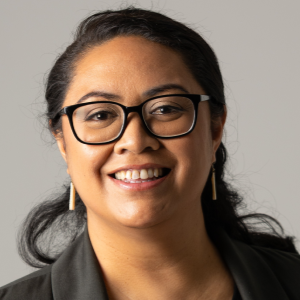
Aundreah Lakatani, 16, with her nana Taonepuna Lakatani and dad Malcolm Lakatani. Photo / Vaimoana Mase
Aundreah Lakatani, 16, with her nana Taonepuna Lakatani and dad Malcolm Lakatani. Photo / Vaimoana Mase
Another year of the ASB Polyfest wraps up in Auckland today, where over 10,000 high school students have celebrated Pacific and diverse cultures from around the world.
Like many Polyfest origin stories, it all started when someone’s aunty, uncle or big cousin agreed to help teach a song or danceat the local school.
In the mid-1980s, when Auckland’s Tamaki College decided to start a Niuean cultural group to perform at the still fairly new Polyfest event, it was aunty Taonepuna and uncle Kristo Lakatani who stepped up to help.
“Tamaki College is where my husband’s niece went and also lots of other cousins and nephews,” she says.
Niuean-Kiwi singer Malcolm Lakatani takes to the stage at this year's Polyfest. Photo / Corey Fleming
Her son, Niuean-Kiwi singer Malcolm Lakatani, was born in 1982 and, as a young child, would come along to the Niuean group practices at the college. He grew up around the singing, dancing and the native language of Niue.
The 43-year-old is an accomplished musician and singer and has worked with the likes of fellow Niuean-Kiwi Che Fu and Pacific group Te Vaka. He has also been nominated multiple times for the Pacific Music Awards.
Malcolm Lakatani with his daughter Aundreah, 16, and mum Taonepuna Lakatani. Photo / Vaimoana Mase
As a high school student at Avondale College, he performed at the Polyfest Niuean stage and later came back to work as a teacher, stepping up to help the college’s Niuean group - continuing the work his parents once did.
Looking over at his daughter Aundreah Lakatani, 16, he shares a memory.
“When Aundreah was born, I was tutoring the Avondale College Niuean group, but I was also first time teaching. I would hold Aundreah in a [baby carrier]...and she would fall asleep to the sounds of drumming.”
Manurewa High School's Samoan group at this year's ASB Polyfest. Photo / Corey Fleming
Also known as Malakamu Lakatani, he has remained a staunch supporter of the Polyfest for more than a decade, working as a stage co-ordinator at the Niuean stage.
He talks about the ongoing growth of Polyfest and more and more New Zealand-born Pacific youth wanting to connect with their roots and cultural identity.
‘Invest in the kids’
This year marks 51 years since the festival started. It has grown year after year and now attracts more than 80,000 people to the Manukau Sports Bowl, in South Auckland, over four days. Up to 10,000 secondary school students from 73 schools took part this year.
They competed on five cultural stages - Niuean, Samoan, Tongan, Cook Island and a Diversity stage that included performances from cultures including Chinese, Korean, Sri Lankan, Fijian and Tokelauan.
Students out and about at this year's Polyfest. Photo / Corey Fleming
“We just keep living it and keep doing it. It’s evolving as a machine that caters for lots of things. The growth in the numbers - the growth in hunger for culture and language.
“I see that [in our kids] and I see that in my daughter. Progressively, it gets deeper. They start to see it also as a necessity. They become more curious as they get older.”
Mal Lakatani said leaders at both local and national government level need to continue to breathe life into events like the Polyfest.
More can also be done to help connect what students do on stage - including months-long practices - to their official NZQA credits and qualifications at school.
“I want the schools to trust and believe...I see it as an investment.”
The girls of the Manurewa High Samoan group perform at this year's Polyfest. Photo / Corey Fleming
Vaimoana Mase is the Pasifika editor for the Herald’s Talanoa section, sharing stories from the Pacific community. She won junior reporter of the year at the then Qantas Media Awards in 2010 and won the best opinion writing award at the 2023 Voyager Media Awards.