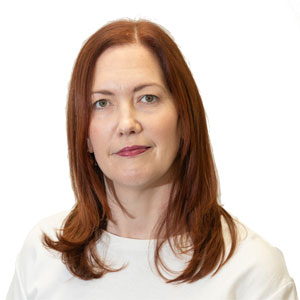
Sitting at his local café in Ōmokoroa on Thursday, Holyoake is relaxed, wearing jeans, sneakers and a council-branded polo.
He told Local Democracy Reporting leaving the council was something he had been thinking about for a while.
In December, he spoke to Mayor James Denyer about his plans and was initially going to leave mid-year but re-evaluated things during the Christmas break.
Mayor James Denyer said John Holyoake guided the council through a time of significant change. Photo / NZME
“There’s never a right time to do it so in the end I decided to do it for me.”
Being a chief executive for 10 years “takes its toll”, he said.
Denyer said in a statement on Wednesday he had valued Holyoake’s insight and advice over the past four years and wished him well in his “future endeavours”.
“He has guided our council during a time of significant change, and I thank him for what he has achieved.”
An interim chief executive will be appointed while the council works to fill Holyoake’s position.
The chief executive sub-committee met on Wednesday to discuss the interim appointment
He would have liked to do more in that space during his tenure at council, he said.
The council had made really good progress from a “systems perspective” with plan changes enabling greater housing density in the fast-growing towns of Te Puke and Ōmokoroa.
Elder housing was being built in Katikati and the council set up local housing networks in Te Puke and Katikati.
“For me, there can never be enough good housing outcomes.”
“Being hard on myself, I would have liked to think we could have done a bit more in that space, but the practicalities of it is that we just don’t have those land holdings or opportunities ourselves, so then it becomes all about trying to influence that change.”
John Holyoake plans to make the most of Ōmokoroa and the wider region once he finishes as chief executive. Photo / WBOPDC
Having never worked in local government before, Holyoake was expecting to walk into an organisation that had an “old school” culture.
“It’s just not. The people here are incredibly passionate about their communities and everything they do, whether that’s core infrastructure through to community well-being.
“They are true public servants, they love what they do.”
It wasn’t always appreciated how much council did for communities outside of core infrastructure, said Holyoake.
“Whether it’s economic or other social outcomes, we’re all striving for the community groups that we support and work with, [and the] relationships with Mana Whenua who are critical in that space.
At his welcome pōwhiri, he acknowledged the need to work with local iwi and Māori representatives.
“I truly believe that partnership with Māori is the true way forward,” he told the meeting.
In 2023, councillors were faced with the decision of whether to establish a Māori ward for the 2025 election
The ward was adopted after a nine-to-12 vote, which was celebrated by the council and iwi.
Te Kāhui Mana o Tauranga Moana forum chair Reon Tuanau. Photo / Alisha Evans
Te Kāhui Mana o Tauranga Moana forum chair Reon Tuanau told LDR the ward had been a long time coming.
At the time, Tuanau said the vote to keep the ward showed the work Māori had been doing with the council had value.“The relationship is alive and well.”
Developing and nurturing that relationship with mana whenua is something Holyoake values from his time at council.
“I am proud is to have created a culture and environment where that has been allowed to grow.”
Marty Grenfell, of neighbouring Tauranga City Council, said he had enjoyed working with Holyoake as a fellow chief executive in the Bay of Plenty.
“John brought a lot of energy and new thinking to the sector and challenged the status quo with a view to achieving better outcomes for the community.”
Originally from Rotorua, Holyoake has family in Te Puke and his hometown, and being closer to them was a key reason behind him taking on the leadership role.
He now plans to spend time on the golf course and make the most of Ōmokoroa and the wider region with his wife Sara before deciding what to do next.
- LDR is local body journalism co-funded by RNZ and NZ On Air.