Morning Headlines | Expected trade investigation into lamb imports and Christchurch City Council plans to give an extra $15m to restore the cathedral. | Wednesday, May 13, 2026
An University of Auckland professor who developed a treatment credited with saving “countless” babies’ lives across the globe has died.
Alistair Gunn died suddenly at Auckland City Hospital aged 67 on Sunday.
Gunn’s pre-clinical and clinical studies led to the creation of brain cooling, now known as therapeutichypothermia, for newborn babies who are deprived of oxygen at birth.
The treatment involves chilling the brain for 72 hours, reducing the amount of oxygen it requires, thus potentially preventing further damage.
The simple, practical and safe cooling treatment is the only standard international therapy designed to reduce brain injury and improve infant survival.
The practice has been adopted worldwide and “saved countless lives and enabled millions of babies to live without disability”, said Professor Laura Bennet, of the university’s Faculty of Medical and Health Sciences.
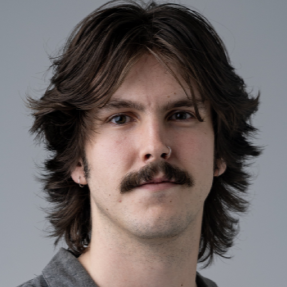
Professor Alistair Gunn developed a treatment which is credited with saving the lives of many babies around the world. Photo / Supplied
“It’s an award to the whole team, and I’m humbled to represent them.”
Bennet, who was a part of that team and worked closely with Gunn, said work to expand the treatment to younger and less severely injured babies was ongoing.
As well as the 2017 prize, Gunn’s work was recognised by many awards and prizes.
The Newborn Brain Society paid tribute to Gunn as a “remarkable physician-scientist, mentor, colleague and friend to so many in our community”.
His pioneering work had directly benefited thousands of infants and their families, the social media post said.
Bennet said Gunn was “a cherished colleague, friend and mentor”.
“His colleagues remember him as curious, kind-hearted and generous in sharing his skills and knowledge.
“Many in the department will remember him occasionally walking down the corridors, a draft research paper in one hand, and a team member’s baby in the other, soothing their crying. He loved babies and they loved him, or his beard at least.”
Gunn also worked as a paediatrician at Starship Children’s Hospital since 1999, alongside his role as a research professor.
Colleagues around the world remembered Gunn for his scientific insight, kindness, sense of humour and commitment to perinatal brain research, Bennet said.