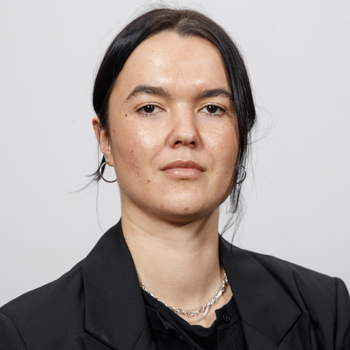
“We have been told by young people about the challenges they face gaining access to support.
“We’ve got to ensure young people know where to seek help and when they do, there is capacity and workforce available to respond in a way that works for them and their circumstances.”
Children and young people (aged 0-18) were most likely, compared with other age groups, to have their referral for specialist help declined (14.9%). Rates for other age groups were between 5-7%.
Young people also faced the longest wait times for treatment, the report said, with 40% of children and teenagers waiting more than eight weeks for a third appointment (compared to 23% overall).
Māori and Pacifika people had some of the highest rates of psychological distress among ethnic groups (22.5% and 23.8%, respectively).
Over the past five years, the report also shows a significant increase in the rate of disabled adults experiencing high levels of psychological distress (26.7% in 2019/2020 to 35.5% in 2024/25).
“The data we have gathered clearly shows that the system is less responsive to the high level of mental-health need of Māori, Pacific and disabled people,” Orsborn said.
Options needed to be available that are tailored for these young people to enable better mental health and wellbeing outcomes, she said.
“It’s vitally important that we close this gap, and it is becoming more urgent. At a population level young people are reporting increasing levels of psychological distress,” Orsborn said. In its summary of New Zealand Health Survey 2024-25 data, she said, “the trend of increasing high levels of psychological distress is not slowing down”
Matt Doocey, the country’s first-ever Mental Health Minister, has released a series of mental health initiatives this year including support for rural and grassroots entities.
Julia Gabel is a Wellington-based political reporter. She joined the Herald in 2020 and has most recently focused on data journalism.