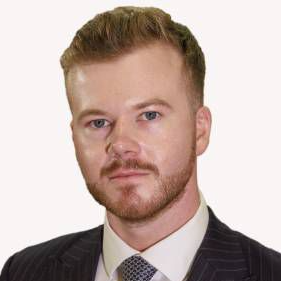
New Zealanders don’t “really care” about the details of one of the Labour Party’s key election policies, leader Chris Hipkins claims.
The New Zealand Future Fund, which Labour unveiled last October with little detail attached to it, is intended to take the dividends of some Crown assets and redistributethem into New Zealand businesses, with the aim to incentivise job creation.
The party has not said what assets may have their dividends redirected into this fund as it has said it won’t decide this until after the election, once it receives advice from officials.
Hipkins on Wednesday said the policy was a “pretty simple proposition” of keeping state assets in New Zealand ownership, as opposed to what he has claimed is National’s policy to “sell public assets”.
After the Labour leader said it was National wanting more detail about Labour’s policy, the Heraldasked whether he didn’t think the public would also want more information.
“I don’t think the public really care which companies are going to go in or not,” Hipkins responded. “I think the public care about the fact that we’re going to keep state assets and National’s going to sell them.”
Hipkins said Labour’s fiscal plan, which is expected to be released prior to the November 7 election, would include an “estimate of transfer of revenue” into the fund.
The Heraldasked how Labour could estimate that revenue if it didn’t know what assets would be attached to the fund and have their dividends redirected.
“Well, because the Government’s Budget will give us a bit more of an indication of the sort of revenue that we could potentially transfer into the Future Fund,” Hipkins responded, before emphasising the general purpose of the fund policy.
Asked again how his party could estimate the revenue the fund would receive without knowing the assets that will be attached, Hipkins said Labour would “set out an estimate of how much revenue we currently get from some of the entities that we might transfer into the fund”.
Labour leader Chris Hipkins said the public don't "really care" about the detail. Photo / Mark Mitchell
“No, we’re not going to be specific about that,” Hipkins said. “But we are going to indicate that there will be less revenue for the Government as a result of our decision to establish the Future Fund, and that will be reflected in our fiscal plan.”
Hipkins acknowledged Labour has “an idea of the sort of revenue that we could transfer into the fund as a result of transferring existing state assets”.
Yesterday, the Herald reported that Labour finance spokeswoman Barbara Edmonds had explained a reason the party can’t release what assets will be included is that some state-owned enterprises (SOEs) may have Treaty of Waitangi obligations attached to them.
She said a future Labour Government would need to get advice on these obligations and therefore the party can’t yet say what assets they are.
“We haven’t decided what assets to put in it, because different assets have different caveats that come with it. For example, some assets have, for example, Treaty claims and overlay, like first right of refusal rights if it gets sold, for example.
“So that’s why the advice that was given to us when we sort of did some small consultation and developing that policy, it was wait till you get into government, get the advice from the officials, what those assets are, what’s the caveat on top of it before you decide what goes into it.”
Hipkins on Wednesday repeated there were a “number of technical issues that you’ve got to work through”, as Edmonds had noted.
“Including the fact that some of these are publicly listed companies and there are market disclosure requirements that would need to be met,” he said.
The issue around potential Treaty obligations is highlighted by the 1987 Landscase. It found the transfer of assets into the new SOEs – without establishing any system to consider whether the transfer of some assets would be inconsistent with the principles of the Treaty – was unlawful.
Simeon Brown, National's campaign chair, made comments critical of Labour. Photo / Thomas Coughlan.
National’s campaign chair Simeon Brown, also the State-Owned Enterprises Minister, said the SOE dividends – he says $688 million – currently go towards other services, so Labour needed to be “upfront” about how it would replace this revenue.
“That’s money that’s not going to go towards schools, hospitals and police, and he’s going to either have to cut frontline services or Chris Hipkins is going to have to increase taxes or borrowing in order to backfill the cuts.”
Acknowledging Edmonds noting Treaty obligations as something Labour needs to get advice about, Brown said: “They can’t tell us [what assets will be included] because of the Treaty of Waitangi”.
“I can tell you what, the Treaty has more principles than the Labour Party.”
Jamie Ensor is the NZ Herald’s chief political reporter, based in the press gallery at Parliament. He was previously a TV reporter and digital producer in the Newshub press gallery office. He was a finalist in 2025 for Political Journalist of the Year at the Voyager Media Awards.