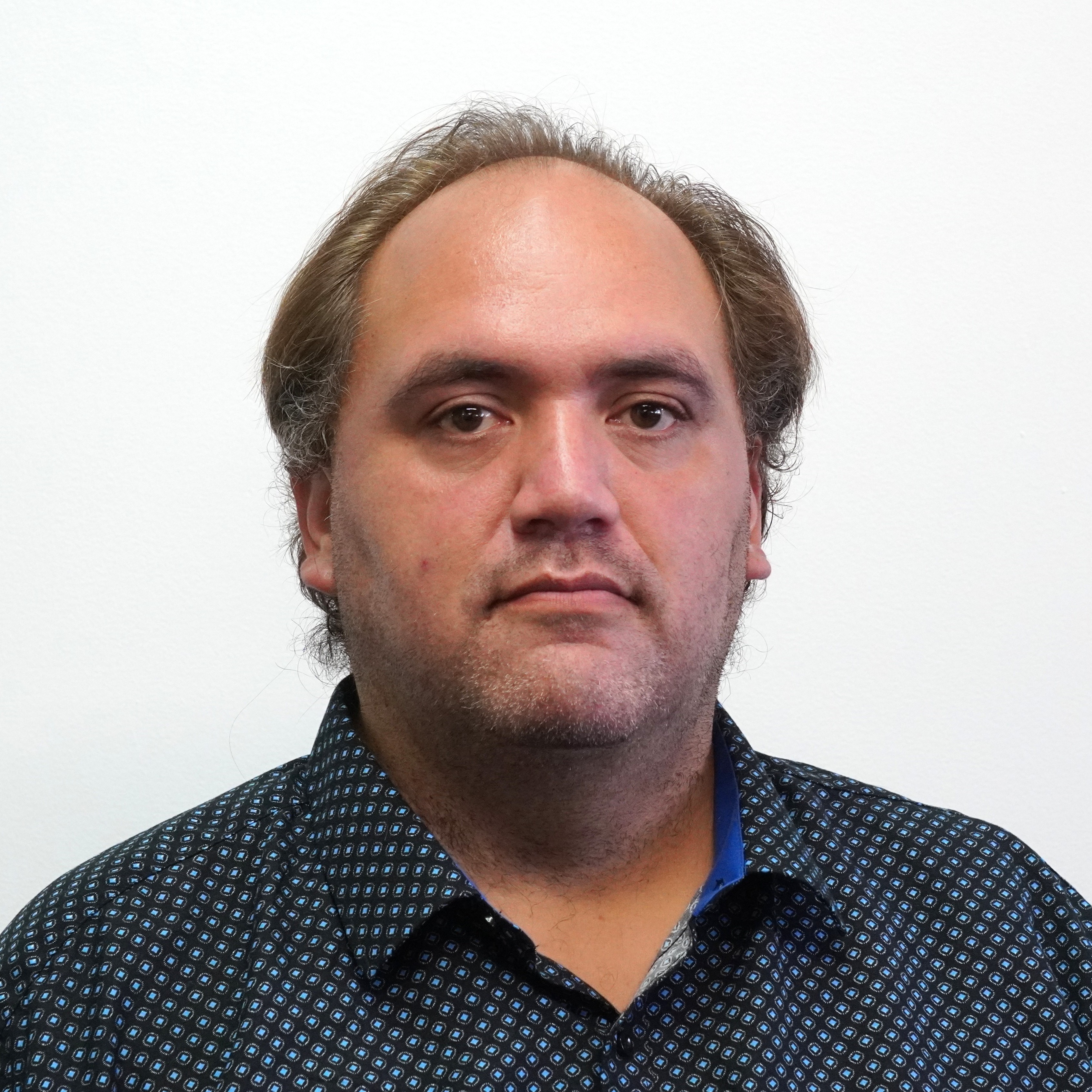
South Waikato Mayor Gary Petley says he anticipated the edict and had already begun to discuss potential options with other councils.
“We knew if we weren’t at the table from the outset then we’d risk losing control of our own destiny,” Petley said.
“We are determined to ensure that is not the case.”
Petley was part of a joint letter from the Waikato Mayoral Forum informing central government that their councils wanted to work together.
Despite central government only giving councils three months to make proposals on which councils will stay and which will go, Petley said they were “well-positioned” to work through the reforms.
Central government wants councils to go large
Bishop and Watts are leading the charge on these reforms. When they announced the abolition of regional councils in November, they sent a clear message: they had measured councils and had found them wanting.
“The Government does not think local government is serving New Zealanders well,” Bishop said.
Central government set the abolition to take effect in October 2028, meaning regional councillors will serve out the rest of their terms. Local mayors will then take up the slack.
Bishop and Watts said bigger, better and more efficient local government was the way forward.
“We currently have 78 city and district, regional, and unitary councils across the country – a high number for a country of our size," Bishop said.
“Proposals should focus on creating larger, more efficient unitary authorities that streamline functions, reduce duplication and improve decision-making,” Watts said.
Councils may need loans to transition
Local Government NZ (LGNZ) advocates for member local governments. It says the most effective proposals will need to include how it will discharge the responsibilities of the abolished regional councils as well.
These duties cover portfolios such as river catchment management and public transport.
LGNZ president Rehette Stoltz acknowledges it won’t be an easy ride to the future, but some councils are ready to reform.
“Some regions will be ready to submit proposals to the Government by August 9,” Stoltz said.
“Other regions have greater complexity that needs to be worked through. That needs to be respected.”
LGNZ regional sector chairman Dr Deon Swiggs gave some examples of the type of support councils will need.
“Government should consider practical support, including regulatory relief from processes that may become redundant and financial support mechanisms such as transition loans.”
While the Government hasn’t pledged any funding, it has made its position clear: “change is coming”.
Bronson Perich is a Local Democracy Reporting journalist for Taupō and South Waikato based at the Waikato Herald.
– LDR is local body journalism co-funded by RNZ and NZ On Air.