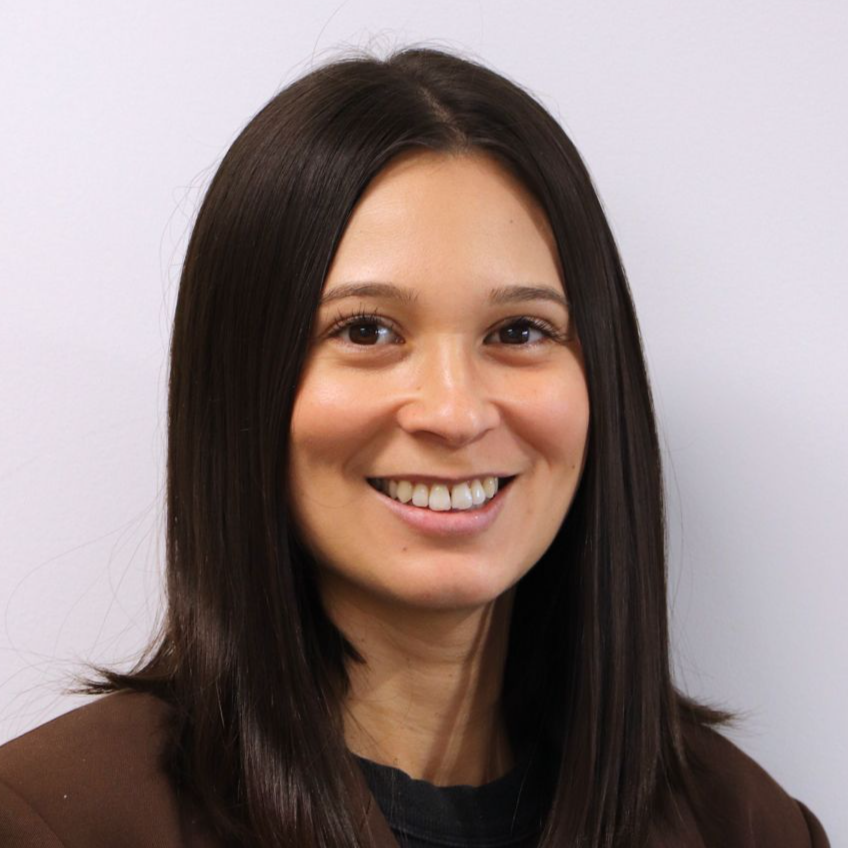
Former Bay of Plenty teacher Lynda Hills is a PhD student at the University of Auckland and is researching suicide. Photo / Megan Wilson
Former Bay of Plenty teacher Lynda Hills is a PhD student at the University of Auckland and is researching suicide. Photo / Megan Wilson
This article discusses suicide and mental health issues. If you need support, helpline information can be found at the bottom of this story.
At age 27, Lynda Hills tried to take her own life in Tauranga after years of struggling with her mental health. She wasleft critically injured. Now 43, she’s a mum living in Hamilton and researching suicide prevention. She recently returned to the Bay of Plenty to share publicly, for the first time, her story of finding hope.
Growing up, Lynda Hills always struggled with her mental health.
She recalls having her first suicidal thought aged 8 or 9.
She was a good student but the challenges continued on and off through school, and she saw her first counsellor at 19.
In the eight years that followed, she would see psychologists and psychiatrists, try prescription medication and alternative therapies, and spend time in a mental health facility and a Christian respite centre.
“Pretty much you name it, I tried it,” she told the Bay of Plenty Times.
Lynda Hills lived in Mount Maunganui for about 10 years. Photo / Megan Wilson
After dropping out of university three times, she graduated with a Bachelor of Arts in Te Reo Māori and mathematics, then studied primary school teaching.
Three weeks into her first fulltime teaching job in Tauranga in 2008, she found herself at a crisis point.
“I was not coping at all.”
She was admitted to a mental health facility and discharged after six weeks.
Friends helped her find relief teaching work, but her health went downhill after a bad break-up.
She said she had stopped using disabled parking, despite holding a permit, because people yelled at her when they saw she could walk.
“It was a coping strategy … (I) tried so hard to be normal and fit in.”
Former Bay of Plenty teacher Lynda Hills is a PhD student at the University of Auckland and is researching suicide. Photo / Megan Wilson
The professor told her many disabled people hid their pain or disability.
“That blew my mind, that meeting, so I started using my permit.”
She got her master’s in disability and inclusion studies, and has started a PhD at Auckland University.
She researches suicide, including the risks and benefits of common treatments used for suicide prevention such as antidepressant and antipsychotic medication.
After graduating, she hoped to collaborate with medical professionals to create educational material focused on suicide prevention, to support “frontline” prescribers.
She hoped to one day also produce material for patients and support people.
Her lived experience has informed her research and goals.
In retrospect, she recognised she had other options apart from attempting suicide.
Hills said she was told if she took medication, she would feel “a little bit worse” for two or three weeks but would then feel better.
“What I wished that I’d done is … say ‘I don’t have two to three weeks in me’."
She said a more “collaborative” relationship between patients and professionals would have been helpful, “where we can both bring our expertise”.
External support for her mother would have also helped Hills feel like less of “a burden”.
She wished she had been encouraged to “have a voice” in the facility she was admitted to.
Her “dream” was to start a charitable trust to establish a whare or healing centre near the water, that could be an alternative to other mental health facilities in situations like hers.
Megan Wilson is a health and general news reporter for the Bay of Plenty Times and Rotorua Daily Post. She has been a journalist since 2021.