The squad report to Detective Senior Sergeant Nick Pritchard, based in Wellington, who said his team had targeted the alleged synthetic cannabis supply ring since February.
In those few months, Pritchard said 13kg of synthetic cannabis had been distributed in Tauranga, but also Auckland, Taupo and Wellington.
Dozens of charges were laid under the Psychoactive Substances Act and Pritchard said the police were committed to preventing the "immense social harm" caused by synthetic cannabis.
The man who police allege sits at the top of the supply chain appeared in the Tauranga District Court yesterday afternoon.
Hira Noble, 51, was charged with manufacturing psychoactive substances, possession of the drugs for supply, as well as selling the synthetic substances.
He was also jointly charged with two family members, who are yet to appear in court, with money laundering totalling $917,000 between November 2015 and April 2018.
Noble - whose Hummer truck, motorcycle and Gate Pa home were restrained under the Criminal Proceeds Recovery Act - was denied bail.
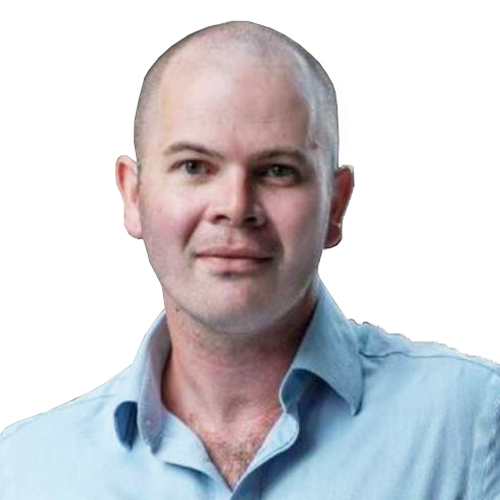
Hira Noble, 51, was denied bail on serious synthetic cannabis and money laundering charges. Photo/Supplied.
Police search the Gate Pa home of Hira Noble. The home and the Hummer was seized. Photo/Alan Gibson.
Police and fisheries officers raid a lunch bar in Birch St Tauranga during Operation Fauna. Photo/Alan Gibson.
Police and fisheries officers raid a lunch bar in Birch St, Tauranga during Operation Fauna. Photo/Alan Gibson.
The raids came as Parliament considers harsher penalties for those who supply synthetic cannabis.
Under the current law, manufacturing or possessing psychoactive substances for sale and supply carries a maximum sentence of two years in prison.
Calum Jones died in 2017 after using synthetic cannabis. Photo/Supplied.
However, critics say there is no evidence increasing penalties will reduce supply, or demand, of synthetic cannabis.
Synthetic drugs became illegal in 2014 following public concern about "legal highs" - designer drugs which mimicked the effects of cannabis - being sold in dairies.
Manufacturers of legal highs were making millions of dollars in a market which was completely unregulated.
Responding to public reaction, the government created a market where manufacturers had to prove the substances were "low risk" with clinical testing.
Some were allowed to stay on shelves with an interim exemption but these were pulled after public outcry.
No manufacturers have carried on with clinical testing of products - which cost at least $2 million - since the amendment to the law in 2014.
The ban pushed synthetic drugs underground and created a black market with fatal consequences, according to new research.
- additional reporting John Cousins
Operation Fauna
14 homes and businesses searched 9 arrests 2 firearms found $500,000 of assets seized including home, Hummer and motorcycle