What’s behind the “Tour De Hoods” event, which has drawn public scrutiny?
A weekly pushbike ride called Tour De Hoods has sparked controversy, with police arresting four people after last Sunday’s ride in West Auckland. Corey Fleming joined the group for their South Auckland ride to find out what gets them out on the streets
From 4-year-olds through to riders in their80s, some in balaclavas, others in high-vis vests and bucket hats – the group rolls in, a handful already pulling wheelies as four police cars wait ahead of the Tour De Hoods ride.
Despite the visible police presence, the mood is relaxed. There is laughter, chatter and a growing sense of competition as riders gather for the weekly meet.
Organisers Kimami, Lips$1 and one of the balaclava-wearing riders at a Tour De Hoods ride in Māngere. Photo / Corey Fleming
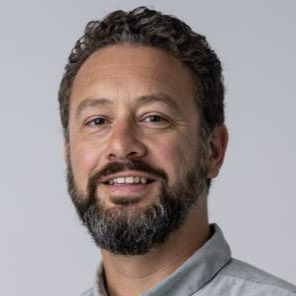
Kimami Ngaluafe – known as G Money to the group – is the organiser of Tour De Hoods, a weekly pushbike ride running over four consecutive weekends in May across south, west, east and northern Auckland.
After the recent ride in West Auckland, police arrested four people and issued 53 infringement notices. Police said they were “disappointed that a portion of the group failed to comply with road safety messaging and legislation”.
About 150 people are anticipated to attend the next ride on Sunday, dubbed Tour De Hoods: Central Auckland, where riders will travel from Onehunga to Mt Roskill and back.
The Herald joined the group during an earlier ride in South Auckland to see how the event looked from the riders’ point of view.
While the event has drawn scrutiny in the past, and the large police presence – including seven police cars and a police motorcycle – can appear intimidating, riders at the South Auckland gathering remained orderly and engaged on our visit.
“From my understanding, police are here because there are concerns from the public,” Ngaluafe told the Herald.
“But I think having that many cars today is a bit excessive.”
Ngaluafe has been riding motorcycles for more than 10 years and first started riding pushbikes to improve his health. He discovered the group by chance and continues to ride with them to this day.
“We don’t come from your typical upbringing – a lot of us come from broken homes and poverty. I see this as a positive outlet for the boys.
“It’s sad to see that we are viewed as a gang by the public.
A bike rider joins about 150 others at Tour De Hoods in South Auckland. Photo / Corey Fleming
One of the riders, known only as Lips$1, wears a bucket hat covered in stickers, a balaclava and a bright yellow jacket, with a GoPro strapped to his chest.
“When the police come along, we just tell them we don’t know who the organiser is, otherwise they’ll charge me for it,” Lips$1 said.
“Some of the bros who can’t be here today aren’t allowed to be here for certain reasons because they made a page and there are investigations.”
As riders begin to arrive, Ngaluafe moves through the group greeting them.
Sliced apples, bananas and free water are set out to ensure participants are fed and ready before the ride begins.
Asked what the purpose of the meet-ups are, Ngaluafe is clear.
“These rides are important because they bring communities together in a positive way. Kids are actively making friends, connecting and networking.
“The rides bring a sense of freedom and belonging, especially for troubled youth from rough upbringings.”
A teenager shows off his bike skills at Tour De Hoods in South Auckland, which aims to help youngsters stay active and feel safe. Photo / Corey Fleming
The Herald talked with some of the participants, learning a number came from disadvantaged backgrounds. One young person was not attending school “because they kicked me out”.
Ngaluafe said the rides offer an outlet – a space to enjoy themselves, stay active and feel safe.
“There’s always nice little chatter we have on the rides. A lot of the boys say this is a safe space for them to grow … it’s a safer place to show weakness,” he said.
The event is supported by Māngere Bikefit, which repairs riders’ bikes for free and helps keep the group safe by riding at the back of the pack. The owner, Teau Aiturau, known as Mr T, leads the ride and asserts safety is non-negotiable.
“The most important thing is always safety first and making sure everyone is respectful while riding,” he said.
With more than a decade of experience organising community rides, Aiturau begins the safety briefing with a karakia before outlining the “three Ls” – look, listen and learn. He thanks riders and police for their presence.
The group then chants their motto: “Keep the wheels spinning”.
As the ride gets underway, Aiturau follows alongside with a megaphone, calling instructions to stay left and urging riders to maintain pace when the group slows.
Not long into the ride, one rider attempting a wheelie crashes. The group quickly stops, helping him up and checking he is okay before he rejoins the ride.
Police officers wait for the Tour De Hoods rideout in South Auckland to begin. Photo / Corey Fleming
At one stop, a police wagon waits nearby, but officers just quietly observe and the riders keep to themselves.
A dairy hands out boxes of ice blocks for the group to share while Ngaluafe distributes stickers – a sought-after giveaway among riders.
Despite a visible police presence, the mood at the ride is relaxed as an officer speaks to those taking part. Photo / Corey Fleming
The Herald contacted police to ask why they were shadowing the rides.
Police were engaging with organisers mainly for safety reasons, Counties Manukau police inspector Mark Chivers said.
“Our officers will take the action they deem most appropriate for the situation, applying the intervention they believe is most likely to lead to road safety, whether it’s education, compliance or enforcement.”
Police said previous rides had generated complaints about unsafe riding behaviour and roads being blocked.
“Should there be an opportunity to stop dangerous behaviour from continuing, then our staff will do so.
“Police will continue to monitor and take appropriate enforcement action against those who choose not to follow road safety rules or engage in any other antisocial behaviour along the way.”
Police emphasised they saw individual behaviour as the problem at such rides.
“We don’t consider them to be a gang … The rides themselves are not illegal. What’s illegal are the activities of some of the individuals who take part in the rides,” Inspector Wayne Kitcher said.
Ngaluafe said he talked to the riders about some of the conduct on Sunday and expects things to be better at this weekend’s Onehunga ride.
“I’m definitely looking to have our riders on their best behaviour this weekend ... we’re expecting no arrests and no infringements.”
A youngster has some fun while helping tidy up at Tour De Hoods. Photo / Corey Fleming
During the South Auckland ride, the police vehicles move along the route, assisting with road closures and ensuring riders stay left. When some drift to the wrong side, either Aiturau calls out or officers pull alongside to redirect them.
The ride is completed without incident and no injuries or major issues are reported. When the group returns, riders stay on, drinking free smoothies provided by Aiturau and taking turns attempting tricks in the carpark.
“Where we come from, we’ve got to grow fast. We’ve got to learn fast and we’ve got to adapt fast,” Ngaluafe said.
“So this is just a safe space for us to be able to let the kids be kids.”
Sign up to The Daily H, a free newsletter curated by our editors and delivered straight to your inbox every weekday.