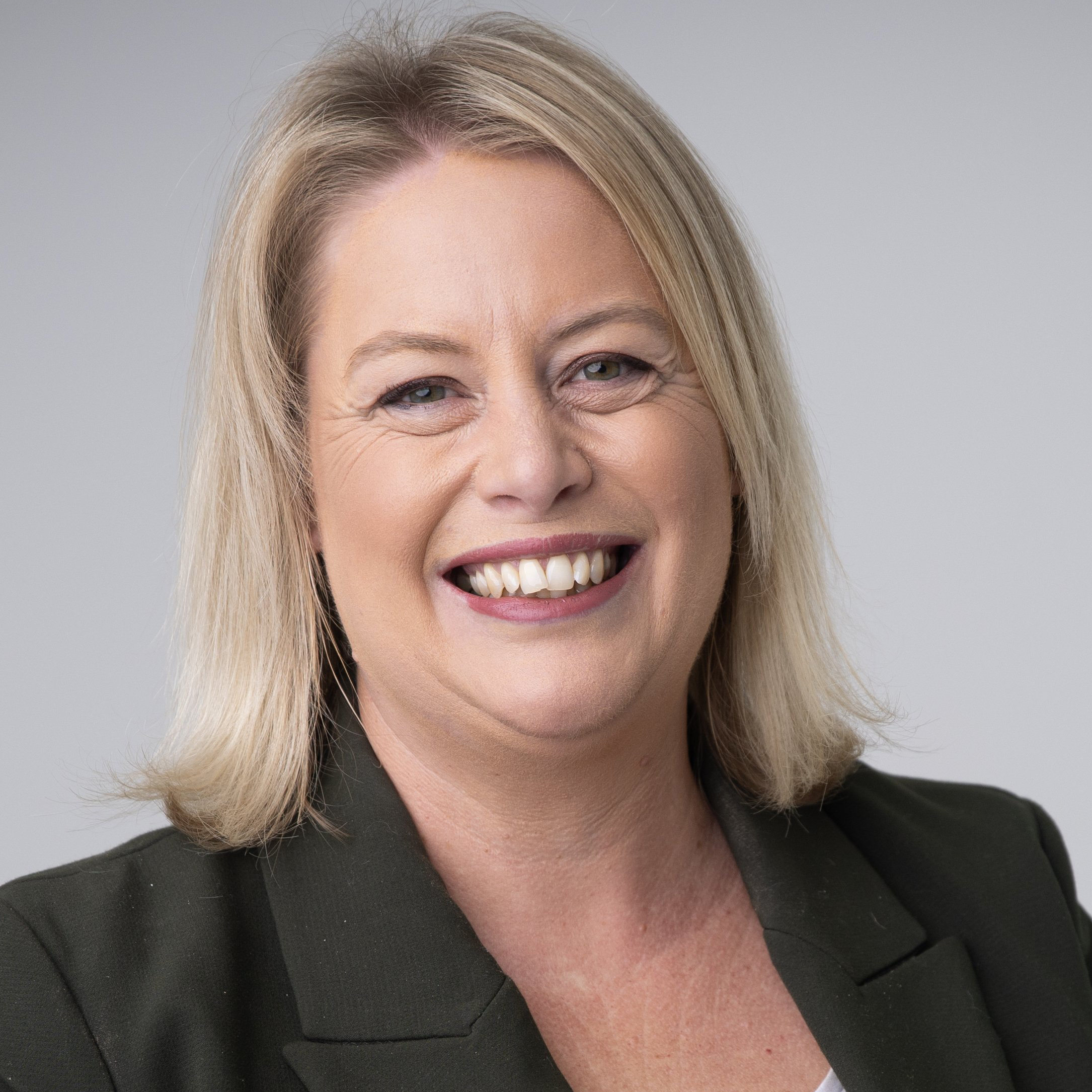
Labour leader Chris Hipkins says any decision over a second Auckland harbour crossing needs to involve the Government, the Opposition and the Mayor of Auckland's office. Photo / Michael Craig
Labour leader Chris Hipkins says any decision over a second Auckland harbour crossing needs to involve the Government, the Opposition and the Mayor of Auckland's office. Photo / Michael Craig
Hopes of a decision in the next few months about the future of Auckland’s second harbour crossing may be dashed, with the super city’s mayor demanding the Government consult him before any decision is made.
It comes as Labour asks the Government to do more to work with Opposition MPson the harbour crossing and other major initiatives.
Labour leader Chris Hipkins made a “State of Auckland” speech to business leaders and was pressed on a number of issues affecting the super city.
“Let me be clear about what a Labour Government would do. We will not cancel, stop or throw away the policies and projects we inherit just for politics’ sake. New Zealand’s had too many years of back and forth. That instability makes it hard to attract the long-term investment the big projects we need require.
“We will provide certainty. We will work with Auckland – not impose on it from Wellington. And we’ll work across the aisle. We are committed to a fully planned, costed and long-term infrastructure pipeline – one that survives changes of government.”
The next megaproject likely to get the go-ahead in New Zealand – subject to a number of issues, not least of all funding – is a second harbour crossing.
Bishop said “a considerable amount of work” would then be needed around funding the crossing and he expressed his desire to reach an agreement with parties across the aisle.
But he expressed disappointment at Bishop, who he usually praises, for stating a decision would be made by the Government without consulting him.
“I immediately sent him a note saying you can’t do that and he said, ‘oh, yes’. So, he agrees we can’t do that.”
Auckland Mayor Wayne Brown says it's imperative the Government consults with him and the Auckland Council over plans for a second harbour crossing. Photo / Michael Craig
Brown insisted any decision must be made in conjunction with the Auckland Council and himself, as agreed in Auckland’s Regional Deal.
The partnership will co-ordinate planning around issues such as infrastructure investment, housing, transport and economic development.
Brown made it clear he thought mid-year was too early for a decision to be made on the crossing.
“It’ll be a bad decision and projects start wrong and someone will make a bad decision this year driven by their chances of getting re-elected in September for something that will take billions of dollars and take years to get there, and people will look back and say, ‘why did they make that stupid decision then?’.”
Bishop told the Herald: “Mayor Brown said you can’t make that decision without council involvement, and I agree with him. We’re not intending to.
“NZTA officials have engaged with the mayor and Auckland Council repeatedly over the past year, most recently with the mayor and me on May 1. I am sure there will be many conversations to come.
“The NZTA board has not yet considered the project. People are getting ahead of themselves. There is a lot of water to go under the bridge, pardon the pun, before final decisions are made.”
Brown said he would be “p***ed off” if the Government breached the agreement to consult that was made as part of the City Deal.
“And then I’ll make a lot of noise about it and they’ll think, oh dear, that might upset some people, voters. They realise that they made a horrific blunder with the SailGP.
“Now the Minister for Auckland is busy working around the back to try and fix that. And so, public pressure is the only weapon I’ve got, but it’s a good weapon.”
Hipkins said Bishop had briefed two of his MPs on the crossing.
“It’s not a collaborative process, and a collaborative process is what we need. If we are in Government post-November, it will be genuinely collaborative, but it won’t just involve the Government and the Opposition. It’s got to involve Auckland as well. It’s got to involve the mayor’s office.”
Labour’s Auckland spokeswoman Carmel Sepuloni told media she’s had a briefing but she hasn’t had answers to questions such as who is going to pay for the crossing and what trade-offs are involved.
Hipkins said: “We’re both going to have to compromise if we’re going to get a durable, long-term pipeline of work that we know we can actually start to build.”
He also clarified a pipeline does not mean Labour would not be going into the election campaign with a list of pet projects.
“Let me be very clear on this. The answer to that is emphatically no, because that’s not how we’re going to fix Auckland’s infrastructure. Each political party at each election, putting out a different laundry list of things that they want to build, isn’t the way we’re going to get anything built in Auckland.
“To get people in a room together, central government, local government, business, it’s got to be bipartisan, and we have to agree some joint priorities, and it’s got to be over the longer term.”
Brown again pushed the idea of a grand coalition, calling Hipkins a “decent man” and Prime Minister Christopher Luxon a “reasonable guy”.
“Competitive tension” was needed between the two major parties, he believed.
But there were areas in which the parties could work together.
“I’ve made that offer to Christopher Luxon multiple times in this term of Government that there are areas and infrastructure is a good one where we’ve been very open to more bipartisan.
“There is probably one area where he’s taken me up on the offer, which is issues around national security, where there is some good collaborative work happening around changes that we need to make there to ensure New Zealand’s national security arrangements are fit for purpose. He has been open to that, but in other areas, he just hasn’t taken it up.”
There’s another area Hipkins is ruling out any kind of bipartisanship – electorate deals with minor parties.
Asked whether he’d consider having a “cup of tea” with The Opportunities Party or Te Pāti Māori, he said, no way.
“We go out there to compete to get every vote that we can for Labour. And then we work with parties and we talk to parties after the election.
“We don’t do that before the election. Voters make that decision. It shouldn’t be the subject of dodgy little deals over a cup of tea.”
Katie Bradford is a senior correspondent at the Herald. She has been a broadcast journalist for over 20 years and was based in the press gallery for 10 years. She specialises in politics, business and Auckland issues.