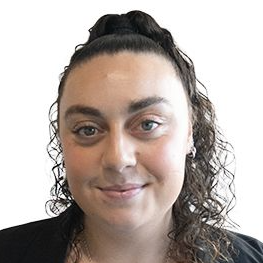
BCITO apprentice Sydney Gill has seen the benefits of access to free period care while helping build a show home at Redwood Park in Rotorua. Photo / Supplied
BCITO apprentice Sydney Gill has seen the benefits of access to free period care while helping build a show home at Redwood Park in Rotorua. Photo / Supplied
For women on building or remote forestry sites, access to sanitary products is not guaranteed, and it is rarely talked about.
But a nationwide push is prompting practical, long-overdue changes, making period care a standard part of workplace wellbeing.
The Building and Construction Industry Training Organisation (BCITO) and Dignity NZhave made a move towards normalising conversations about period care.
The organisations are providing sustainable period products through the Actions Speak Louder initiative.
It will give 1000 women apprentices, who make up 6% of BCITO apprenticeships, access to free period products.
For Gill, ordering products for the site was a small move that helped normalise periods and addressed a “simple but significant” reality many women faced on the job.
“When you’re out on site, especially in male-dominated environments, having your period can be stressful if you’re not prepared, and sometimes that’s completely out of your control.”
“It’s such a small thing that makes a huge difference.”
BCITO apprentice Sydney Gill said the programme with Dignity NZ had given her a straightforward way to start conversations at work. Photo / Supplied
She told the Rotorua Daily Post it was about working with the right people who were accepting and ready for conversations around the topic by “keeping it honest”.
“Because nobody really talks about it [periods], they think it’s a big deal, but really it’s just a part of everyday life.”
BCITO principal adviser for women Amanda Williams said the initiative represented a turning point in how the trades sector supported women.
“It moves beyond surface-level inclusion to address real, practical barriers.”
She said in a statement it ensured apprentices did not have to take time off work or face unnecessary stress because of limited access to period products.
“Providing period products prioritises dignity, safety, and inclusive design to establish a new national standard.”
According to the Muka Tangata Workforce Development Council, the forestry industry has the lowest proportion of women in its workforce compared with other Muka Tangata industries.
One in five workers has been identified as a woman, and in logging the proportion is even lower, with around 10% of workers being women.
Kaingaroa Tipu, previously Timberlands, is a forest management company based in Rotorua and employs 160 people, about half of whom are women.
General manager of sustainability Colin Maunder told the Rotorua Daily Post Kaingaroa Tipu had also introduced an initiative with Dignity NZ.
Kaingaroa Tipu general manager of sustainability, Colin Maunder. Photo / Supplied
“It was introduced after team members identified the need for better access to period products across our worksites.”
Maunder said Kaingaroa Tipu recognised the importance of making “practical, on-the-ground changes” to ensure women felt supported in all aspects of their wellbeing.
“By providing free period products to staff, we have helped normalise conversations about women’s health, reduce stigma, and ensure that no one is left without essential items.”
He acknowledged forestry was a “unique” work setting.
“By implementing initiatives like this, we aim to remove unnecessary barriers and make it easier for women to focus on their work without added stress or discomfort.”
Dignity chief executive Lisa Maathuis said in a statement that the collaboration was built on a “growing momentum” across workforces.
“We’re proud to see growing momentum across the sector and a real opportunity to make period care standard in every workplace.
“No one has to choose between comfort, dignity, and their career.”
Kaitlyn Morrell is a multimedia journalist for the Bay of Plenty Times and Rotorua Daily Post. She has lived in the region for several years and studied journalism at Massey University.