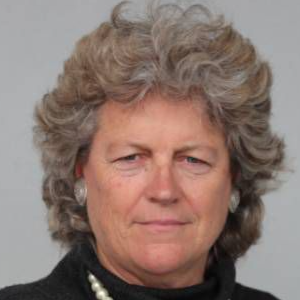
Marris’ local government career has involved working at three of these.
KMR joint committee chair Tame Te Rangi said Marris would lead a 12-strong team at Kaipara Maurikura, a collaboration to reduce the impact of sediment on the mauri of Kaipara Moana.
KMR formally began in 2020 with $200 million in government funding for six years.
Te Rangi said Marris offered more than 25 years of experience in leading, motivating, and developing multi-disciplinary professional teams.
“Known as a values-driven leader and a true people person, Jason [Marris] works effectively across all levels of an organisation and excels at viewing challenges from multiple perspectives.”
Whangārei-based Marris has been KDC chief executive since November 2022 and has also held management roles at Whangārei District and Auckland Councils. Prior to his local government career, he spent about 12 years with the New Zealand Defence Force.
Te Rangi said repairing the mauri of Kaipara Harbour was important for many reasons.
He said 96% of snapper caught along New Zealand’s west coast came from the harbour’s fisheries nursery.
Te Rangi said KMR’s long-term goal was to halve sediment flows into the Kaipara Harbour. KMR invests in projects to restore wetlands, fence off rivers and streams, and plant trees or regenerate forest on riparian margins and erosion-prone areas across the headwaters of the key river system catchments.
The Kaipara Harbour catchment is New Zealand’s largest harbour system. It covers more than 6000sq km – about two-thirds of this in Northland and a third in Auckland.
The catchment runs more than 200km north to south, occupying about 20% of the length of the North Island.
Its land area includes more than 8000km of rivers and streams – their combined length five times the length of New Zealand.
Te Rangi said in the past six years, 1400km of Kaipara Harbour waterways had been fenced, three million plants had gone into the ground and 28 nurseries had been set up to supply the project.
He said every dollar of government money spent on the project was generating $3.94 back into the wider local and national community.
Marris said he was looking forward to moving into the new opportunity.
When asked why he was leaving KDC, Marris said seven years with the council was a good duration and it was time to move on.
He said his departure was good timing. Its newly-elected council would be able to appoint a new chief executive.
Marris said his new role would be a bit different from being a local government chief executive.
But it would still mean importantly, connecting into the same sort of relationships with others in local government, stakeholders, community, iwi, Members of Parliament and central government.
He was pleased his new role would have a continued Kaipara link.
Marris has been KDC chief executive through often-controversial council times.
These include KDC getting rid of karakia at the start of council meetings, becoming the only council in New Zealand to can its existing Māori ward, ending iwi relationship agreements and adopting a controversial local government legal obligations to Māori document that was then distributed to councils nationwide.
When asked what these had to do with his departure, Marris responded that they had been part of what had unfolded whilst in his role as chief executive. He’d handled them with the integrity that was part of being in that role, where challenges were naturally always elements of the job.
Marris said he was looking forward to working with Kaipara Uri (iwi and hapū descendants of the harbour) along with the many people from across the local and wider community with crucial parts to play in the health of the Kaipara Moana.
■ LDR is local body journalism co-funded by RNZ and NZ On Air.