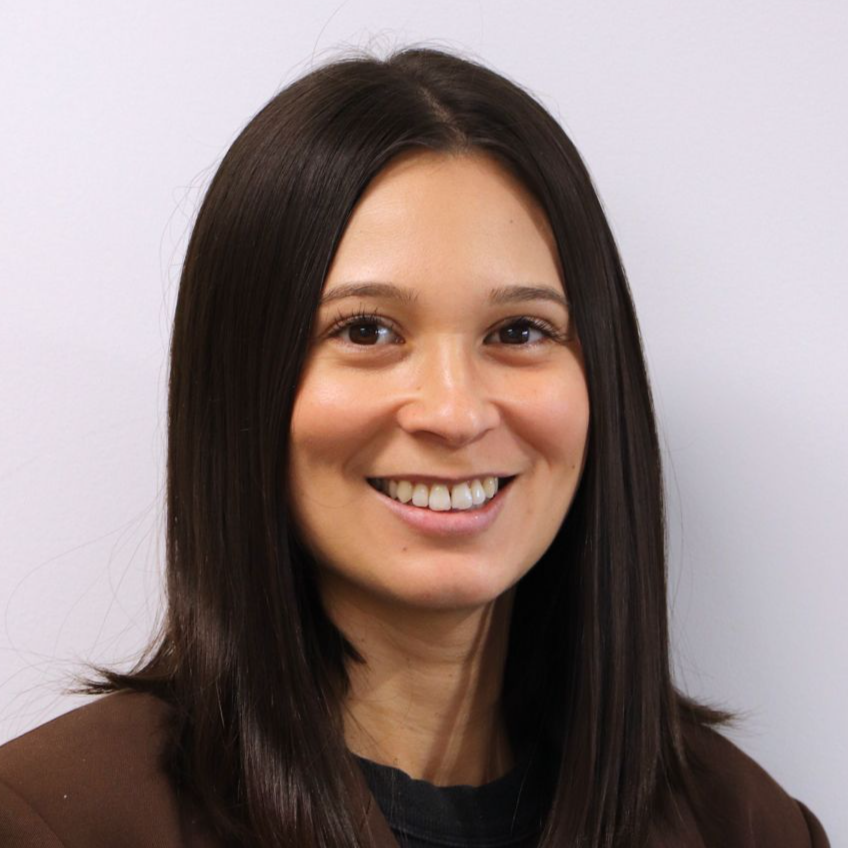
Tauranga father Connah Boyd, 38, was diagnosed with type 1 diabetes when he was 11. Photo / Supplied
Tauranga father Connah Boyd, 38, was diagnosed with type 1 diabetes when he was 11. Photo / Supplied
Tauranga father Connah Boyd had reached the sweet spot in his life – a wife, son and their first home. Then he snapped his spine. The 38-year-old diabetic now uses a life-changing monitoring device, which he says will prevent the traumatic incident from happening again.
Connah Boyd has beenliving a “nightmare” since he was 11.
The 38-year-old was diagnosed with type 1 diabetes as a child, “and I haven’t had a break for one day since”.
The most traumatic incident was in November 2023, while he was asleep.
His blood sugar levels “dropped so low that my brain went offline and I slipped into a coma”.
“It took me about two days for my brain to come back. I couldn’t talk – I was like a vegetable ... ”
Boyd said he fractured his L1, L2, L3 and L4 vertebrae and “burst” his L5.
He had two spinal surgeries and would possibly need a spinal fusion.
Boyd, who runs a pest control business, said he could “just” walk.
An X-ray of Connah Boyd's spine after he broke four vertebrae and required emergency surgery. Photo / Supplied
Before his injury, Boyd had learned of continuous glucose monitors – wearable sensors that measured a person’s blood sugar levels and relayed the information to a smartphone.
They could be connected to an insulin pump, which automatically injects the wearer to stabilise their blood sugar.
Type 1 diabetes patients cannot produce their own insulin. If their blood sugar levels rose or fell significantly, there could be severe and potentially fatal consequences.
Many patients, including Boyd, managed this by pricking their finger and testing a blood sample several times a day, then injecting themselves with insulin.
Continuous glucose monitors cost $200 a month. For Boyd, this was initially unaffordable, but after his injury, he made it work financially.
Without one, he and his family were “too scared to go to sleep”.
“I was just relieved that I could now live and not have that happen to me because that’s traumatic ... ”
The monitor beeps and wakes him up if his blood sugar levels drop.
“It’s lifesaving and it’s life changing.”
Monitors saving health system $53,000 daily
A New Zealand Medical and Scientific Diabetes statement said more than 19,000 New Zealanders with type 1 diabetes had accessed monitors since they were funded.
Modelling data showed it potentially cut healthcare costs by more than $53,000 a day.
Their lifetime use was projected to avoid thousands of diabetes-related cases of kidney disease, ulcers, amputations, eye and cardiovascular complications, and almost 50,000 severe hypoglycaemia events.
Endocrinologist and University of Otago associate professor Dr Rosemary Hall said glucose built up in the small blood vessels in the eyes, kidneys, heart and feet over time, increasing the risk of serious complications.
“It’s that ongoing burden that makes tight glucose control so critical.”
Hall said advancements in diabetes management meant parents were comfortable letting their children do things they were once terrified to allow, including school camps and sleepovers.
“That’s a huge change from the chronic sleep deprivation they’ve previously lived with, waking up every night to check blood sugar levels.”
Diabetes NZ chief executive Heather Verry said the organisation had long advocated for continuous glucose monitors to be funded and was now advocating for all diabetics dependent on insulin to have access.
Verry said type 1 diabetes was an autoimmune disease, type 2 was influenced by lifestyle and culture, and gestational diabetes was when pregnant mothers developed diabetes, but no longer had it after giving birth.
“Youth type 2 diabetes” was “emerging”, where children as young as 8 were getting it, she said.
Verry said more people were getting type 2 diabetes because of different cultures, less-mobile and busier lifestyles, and more access to processed food and takeaways.
Pharmac device and assessment director David Hughes said the agency understood there was “significant interest” in funding continuous glucose monitors for type 2 diabetes.
It was progressing two applications – one for those who required “intensive insulin” with a “suboptimal glycaemic profile” and one for “youth onset”.
Pharmac would seek advice next year. Expert advisers would assess the device’s effectiveness compared with funded options and consider its impact on people and the health system.
Hughes could not say if or when a decision would be made. It depended on available budget, negotiations with suppliers, clinical advice and how they were prioritised compared with other treatments it would like to fund.
Pharmac’s decision to fund continuous glucose monitors for type 1 diabetes followed a funding application, which was assessed and ranked using its Factors for Consideration.
An earlier version of this article said Boyd’s continuous glucose monitor would beep and wake him up if his blood sugar levels dropped and automatically gave him insulin. This is incorrect. His monitor would alert him before his blood sugar levels went high before automatically giving him insulin.
Megan Wilson is a health and general news reporter for the Bay of Plenty Times and the Rotorua Daily Post. She has been a journalist since 2021.