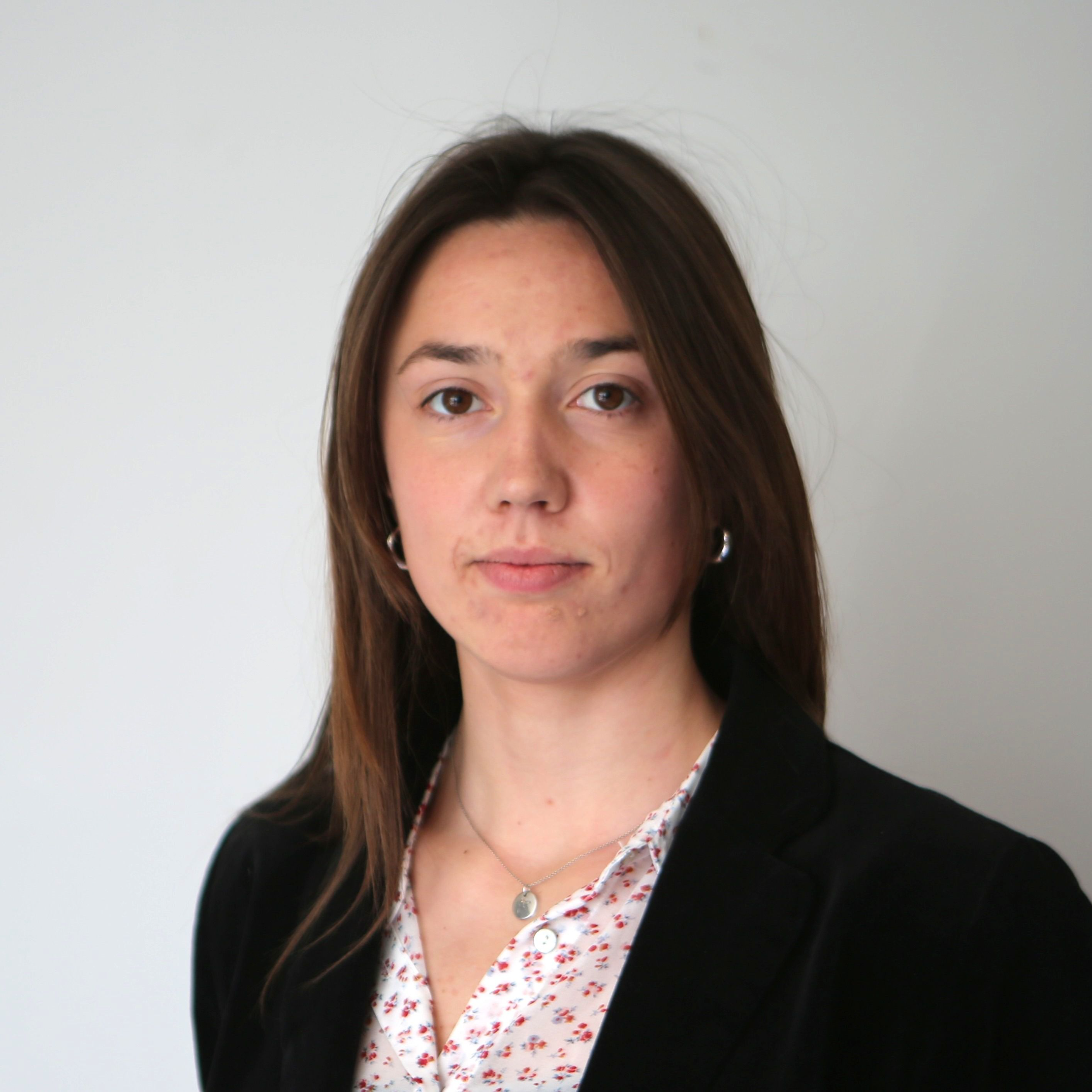
Purewa Hodge is a direct descendant of prominent Whanganui community leader Pura Te Manihera McGregor - a connection she will speak about during her whatu muka workshop at the Whanganui Regional Museum. Photo / Putaanga Waitoa
Purewa Hodge is a direct descendant of prominent Whanganui community leader Pura Te Manihera McGregor - a connection she will speak about during her whatu muka workshop at the Whanganui Regional Museum. Photo / Putaanga Waitoa
Nationally renowned Whanganui artist Purewa Hodge is hosting a two-day workshop which will delve into whatu muka and her ancestors’ deep connections to Whanganui.
Hodge is a descendant of Pura McGregor, a prominent Whanganui community leader who was the first Māori woman to receive an OBE in 1919.
McGregor bequeathed her personal taonga to the Whanganui Regional Museum and the workshop will offer an exclusive viewing it, and teach from her years of knowledge on whatu muka, traditional Māori finger-twining using harakeke fibre.
“It’s open for everybody who is wanting to get a peek behind the curtain,” Hodge said.
“It’s giving them an introduction to something they may see but really don’t have an understanding of, [going] from the grassroots to the harvest and then, to the actual creation of such pieces.”
Inspired by her whakapapa (Taranaki iwi, Ngāti Tama-rongo, Muaūpoko), Hodge’s artwork is known for blending traditional Māori patterns with modern cloak making using modern materials.
She received Creative New Zealand’s Ngā Manu Pīrere award for emerging artists in 2024 and several of her pieces are featured in the Museum of New Zealand (Te Papa Tongarewa).
“When I wear her adornment, I feel poised, confident, and connected to culture and history.”
Nationally renowned Whanganui artist Purewa Hodge is known for blending traditional Māori patterns with modern cloak making.
Hodge’s maiden name, McGregor, comes from her kuia, who she said inspires her daily.
She is the direct descendant on her mother’s side of Pura Te Manihera McGregor - a prominent Whanganui figure during the late half of the 19th and early 20th century and best known as the first Māori woman to receive an Officer of the Order of the British Empire (OBE).
McGregor rose to prominence by joining her uncle, Te Rangihiwinui Kepa (Major Kemp), in battles during the New Zealand wars and by leading war dances.
She later married Gregor McGregor, who was Pākehā, at a time when interracial marriage was highly controversial.
He embraced her culture and learned te reo Māori.
“[It] was quite a beautiful love story that she had with her husband and the way that he also embraced te ao Māori,” Hodge said.
“Integrating a society between Māori and Pākehā was very important.”
She devoted herself to improving Whanganui, leading efforts in the Wanganui Beautifying Society, which was responsible for planning and planting the Rotokawau Virginia lake reserve.
She died in 1920 at the age of 65, and bequeathed her personal taonga to the Whanganui Regional Museum.
She received the title of OBE after her death in recognition of her efforts to raise funds for soldiers during WWI.
Her husband erected a waka from her hometown, located upstream on the Whanganui River, at Virginia Lake in memorial to her.
The original wood structure was removed in 1987 due to rot-related safety issues, and replaced by a sculptural recreation in 2020.
“Just the strength and resilience that she had in herself, and the vision that she had for Whanganui and her place that she saw herself in, really resonated,” Hodge said.
“She did go to the beat of her own drum and was very passionate and [was a] very strong, proud woman.”
Hodge said she tries to reflect the same spirit in her artwork.
McGregor’s dedication to bettering the Whanganui community inspired her to host the Whatu Maku workshop, as well as shift her career away from high-profile client commissioned-work she had been focused on to a community-based career.
“It is the solitude of the work that has led me to want to build community around the practice.”
“No one should carry our traditions alone.”
Born in Whanganui, Hodge spent a large portion of her childhood in Taranaki before moving to Hawke’s Bay in early adulthood. She returned to Whanganui about two years ago with her family.
“I’m really excited to be able to connect with the people that do come to the workshops.”
The first day will serve as an introduction to traditional Māori fibre extraction methods and feature a display and discussion of some of McGregor’s taonga. Hodge will teach how to extract the muka fibres from harakeke, or flax.