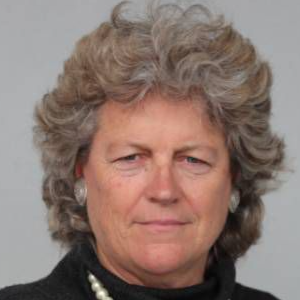
Whangārei District Council's Te Kārearea Strategic Partnership Standing Committee chair and Māori ward councillor Phoenix Ruka. Photo / Susan Botting
Whangārei District Council's Te Kārearea Strategic Partnership Standing Committee chair and Māori ward councillor Phoenix Ruka. Photo / Susan Botting
Whangārei District Council has moved closer to strengthening how it embeds the principles of Te Tiriti o Waitangi across its organisation, after a proposed implementation plan was presented to a key standing committee.
The council’s Te Kārearea Strategic Partnership Standing Committee last Tuesday heard about the proposed plan, which respondsto recommendations from a council‑wide Te Tiriti o Waitangi health check commissioned by Whangārei District Council (WDC).
The health check examined how effectively the council’s systems, decision‑making processes and relationships reflect its obligations under Te Tiriti o Waitangi, and where improvements were needed.
WDC manager Māori outcomes Mark Scott presented the plan to the meeting to seek strategic advice about its approach, priorities and governance settings.
He said it would be further refined following committee feedback.
Committee chair and Whangārei Māori Ward councillor Phoenix Ruka said it was positive but also bittersweet to see the plan at the meeting, given how long hapū had been pushing for change.
“It’s taken more than 10 years to get to this point,” Ruka said.
The proposed plan comes as the Government reviews Treaty clauses in almost two dozen pieces of legislation, including the Local Government Act, with a view to either remove those references or replace them with more specific wording explaining their relevance and application.
Under the Local Government Act, councils are required to take appropriate account of Treaty principles and provide opportunities for Māori to participate in decision‑making.
Ruka said it was encouraging to see Whangārei District Council continuing its work despite that broader political context.
Ruka said he wanted this council work to continue even if the act’s Treaty clauses were changed.
Scott said the independent health check identified systemic issues across the council’s organisation, rather than problems that could be fixed through isolated or business‑as‑usual actions.
“The health check concludes these issues are organisation‑wide and cannot be addressed through isolated or business‑as‑usual actions,” Scott said.
He said the review assessed what was working well at WDC, alongside gaps and blind spots that required a more consistent and durable approach.
The health check followed sustained advocacy from Whangārei hapū, who have long called for clearer, more effective partnership practices within the council.
Te Kārearea committee member Neta Kerepeti said Māori made up about 31% of Whangārei District’s 100,000‑strong population, making the work particularly significant.
“It’s important to consider the resourcing needed to ensure this implementation plan can actually be delivered,” Kerepeti said.
Fellow committee member Sheila Taylor asked what meaningful difference would be in place at WDC in a year or two years’ time as a result of the proposed implementation plan.
Scott said in response that engagement across the council would be consistent.
If approved by the full council, the implementation plan would guide how Te Tiriti and partnership practices are embedded across WDC.