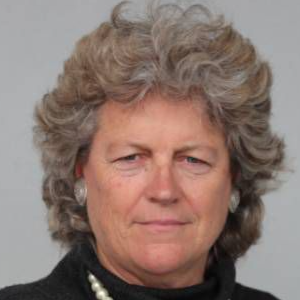
Ruakākā fisherman Graham Ellis is concerned that vehicles will be banned on the beach. Photo / Susan Botting
Ruakākā fisherman Graham Ellis is concerned that vehicles will be banned on the beach. Photo / Susan Botting
Bream Bay fisher Graham Ellis has been taking his vehicles onto Northland’s Ruakākā Beach to go fishing for 20 years.
“And we’ve always respected the beach vehicle use rules.”
Ellis wants to continue doing this after Whangārei District Council’s update of its 17‑year‑old Control of Vehicles on Beachesbylaw covering all the district’s beaches.
“I don’t want any changes to vehicle access on our beach,” Ellis said.
“I’m concerned vehicles will be totally banned from this beach,” said the Marsden Cove Fishing Club member and club delegate to the New Zealand Sportfishing Council.
“Things risk getting more and more shut down. Look at Muriwai now.”
Strict rules apply to vehicles on Muriwai Beach, including drivers needing a valid Auckland Council beach-driving permit. The beach is also closed to vehicles during peak summer periods, with access restricted even for permit holders.
Ellis and his wife Maryse live close to Ruakākā Beach and have raised their six daughters to love fishing there.
His 13 grandchildren now enjoy it too.
Ellis said torpedo and drone fishing off the beach was part of the quintessential Kiwi way of life. Catching fish to feed his family has always been part of his routine.
“I’m worried the beach may be closed to all vehicles.
“Where else would we go to do that sort of fishing if no vehicles were allowed onto the beach here? Northland’s west coast is quite dangerous, and it’s quite a long way away.”
He said it was crucial for people to have their say on the district council’s bylaw review.
Waipu Cove conservationist and Bream Bay Coastal Care Trust member David Lourie wants vehicles banned from Ruakākā Beach as a result of the bylaw review.
Waipu Cove conservationist David Lourie. Photo / Susan Botting
But he said more facilities would be needed to support that – specifically additional parking behind the beach so people could walk on rather than drive.
He said banning vehicles from the part of the beach controlled by the council would stop vehicles entering the dunes behind Ruakākā Beach.
This was particularly the case in its southern section, where dunes were heavily used by recreational 4WDs and suffered vegetation damage.
A large area of the dunes on the 13km Ruakākā Beach falls under the jurisdiction of the Department of Conservation (DoC) and is therefore not part of the council’s review.
Ruakākā resident and fisherman Eric Woodward said the bylaw definitely needed updating.
Ruakākā resident Eric Woodward. Photo / Susan Botting
Woodward also wants vehicles banned from the full length of Ruakākā Beach, extending the roughly kilometre-long local stretch where he lives, from which vehicles have been banned since a 2016 bylaw amendment.
If that did not happen, the updated bylaw needed more teeth to better police controls on vehicle use, he said.
The responsibility should not fall on communities “as the last line of defence”.
Police Sergeant Nicholas Miller said officers conducted regular patrols across the wider Bream Bay area, including the beach, as part of routine work on public safety and road policing.
Vehicles are part of beachgoing for many people visiting Ruakākā Beach. Photo / Susan Botting
Police worked with others involved in beach use, including the council and DoC, which had their own bylaw responsibilities.
Will McNab, the council’s strategic planner for bylaws, said initial community engagement about the review had attracted a high level of interest for a bylaw update.
The review covers vehicle use on beaches along the Whangārei district’s roughly 200km coastline. But Ruakākā is a hotspot for beach vehicle use.
McNab said the bylaw aimed to keep people safe, protect public health and reduce nuisance by managing how vehicles were used on beaches across the district.
In recent years, police had attended five crashes on Ruakākā’s Uretiti Beach south of Tip Rd, including three serious‑injury crashes and one minor injury.
McNab said the council had also received complaints about vehicle use on other beaches, including Bland Bay, Matapōuri Bay, Ōakura Bay, Taiharuru/McGregor’s Bay, Whangaumu/Wellington’s Bay, Woolleys Bay and parts of Whangārei Harbour.
The council was currently in the initial phase of reviewing its bylaw governing vehicle use on beaches. This covered only sections of the district’s beaches and dunes where it had jurisdiction, between the high‑tide and low‑tide marks.
Bream Bay beaches and dunes under DoC’s jurisdiction fall outside the review.
The council’s initial community‑engagement feedback phase closes on Sunday.
McNab said it would then review the feedback and consider whether its 2009 bylaw was fit for purpose.
More than 1400 pieces of feedback from individuals and organisations had been received by February 10.
That would be used to shape a draft bylaw that councillors would decide. It would then go through formal public consultation, likely around July or August.
McNab said people could make submissions then and ask to speak about them.