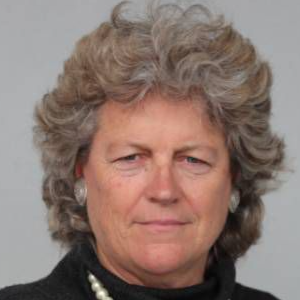
NRC councillor Geoff Crawford at home on his Kauri farm. He says Northland farmers and growers are already taking action to deal with the impacts of climate change. Photo / NZME
NRC councillor Geoff Crawford at home on his Kauri farm. He says Northland farmers and growers are already taking action to deal with the impacts of climate change. Photo / NZME
Northland could lead the way in New Zealand’s rural climate resilience, new research has found.
The climate resilient communities research project says this would come from building on the widespread adaptation work that’s already underway across Northland.
Northland’s first project of its type brought together farmers, growers and Māorilandowners in the region to look at how climate change was affecting rural communities, how people were responding and where they needed support.
The six-month project produced a 50-page report – understanding climate impacts and adaptation in rural communities.
“It provides a foundation for that next chapter – turning local insight into coordinated action that strengthens communities, supports whenua and prepares Northland’s rural sector for the challenges and opportunities ahead,” the report says.
“Across all sectors, farmers and growers are asking for practical, regionally tailored support that builds on what is already working at grassroots level.”
Rural Support Trust Te Tai Tokerau (RSTTT) chairwoman Michelle Ruddell said the project’s strength was feeding rural producers’ voices into the mix for future climate resilience work.
“This initiative has enabled the farmers’ voice to be heard for the first time,” Ruddell said.
She said it illustrated one of the strengths of Northland’s rural sector, which was how well all those involved worked together.
Northland's Rural Support Trust chair Michelle Ruddell says practical farmer and grower input into the future direction of the region's climate resilience work is a major step forward. Photo / NRC
The research was initiated by Rural Support Trust Te Tai Tokerau (RSTTT) with a $40,000 grant from Northland Regional Council’s climate resilient communities fund. It also involved Beef and Lamb NZ, Horticulture NZ farmers, horticulturists and Māori landowners and hapū.
It involved a region-wide survey of 200 respondents, two Māori wananga, 10 workshops, 61 follow-up interviews and a sector leadership hui.
Northland Regional Council (NRC) councillor and farmer Geoff Crawford said farmers and growers were taking action to deal with the realities of a changing climate by improving drainage, planting trees, adjusting feed systems, trialling new crops and investing in energy backup.
He said the North’s rural communities were already living with the realities of a changing climate with more intense rain events, longer dry spells and shifting seasons testing the resilience of its land, infrastructure and people.
Farmers and growers wanted hands-on, regionally relevant examples rather than generic advice.
“Peer learning is a major driver of change, with farmers wanting to see working examples, hear real stories and learn locally.
“Farmers and growers want more applied research and specialist visits tailored to Northland’s climate, soils and crops.”
Regulation and administration load were seen as major barriers to resilience planning.
Report recommendations:
Water resilience prioritisation in particular drainage, storage, effluent systems and catchment protection A Northland water resilience programme to expand water storage support, strengthen catchment collaboration and target technical assistance for high-risk landscapes.
Energy reliabilityand transition support
“Power outages present operational risks for all sectors, especially dairy and horticulture,” Crawford said.
Independent solar and battery feasibility advice. Exploring cluster or community-scale renewable solutions for remote rural areas.
Aclimate resilience helpdesk or digital hub offering plain language guidance on rules and templates for compliance tasks with. clear links to NRC, RSTTT, the Kaipara Moana Remediation project and industry support.
Community wellbeing recognitionand investment. Crawford said wellbeing and community connection were critical resilience factors, with high value placed on support from the trust, local networks and informal events.
More work on core resilience infrastructure and expanding region-specific science and technical expertise.
A new Northland resilience science hub with NRC, industry partners, NorthTec and researchers, to run local trials and provide technical advice on soils, pasture resilience, crop diversification and biodiversity.
■ LDR is local body journalism co-funded by RNZ and NZ On Air.