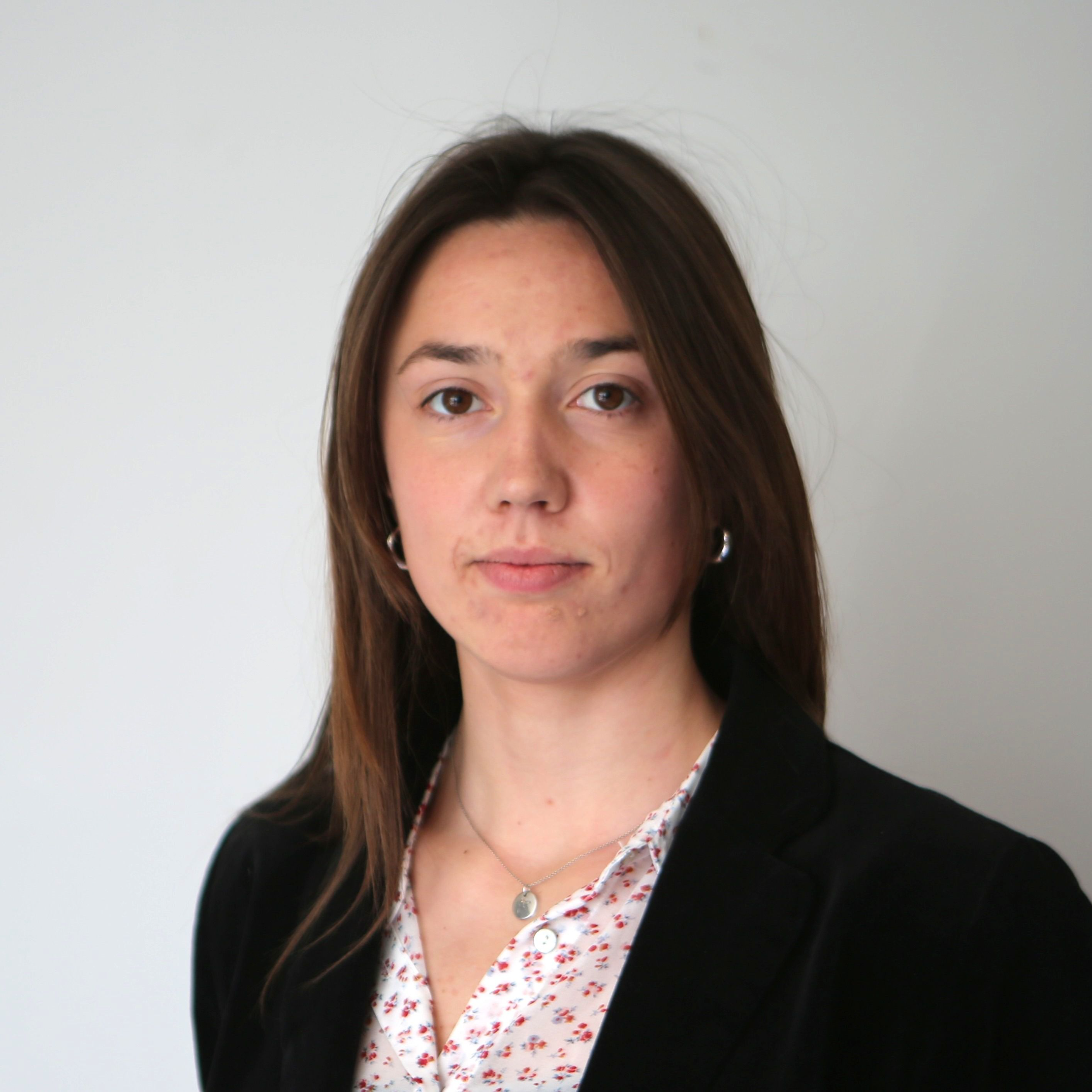
The face of the William James Harding exhibition in Christchurch has been identified by amateur genealogist Andrea Brown as Beti Karaitiana. Ref.1/4-017127-G. Alexander Turnbull Library, Wellington
The face of the William James Harding exhibition in Christchurch has been identified by amateur genealogist Andrea Brown as Beti Karaitiana. Ref.1/4-017127-G. Alexander Turnbull Library, Wellington
A former Whanganui woman has successfully identified the subject of a famous 19th-century William Harding portrait, whose identity had been lost to history.
Andrea Brown used her skills as an amateur genealogist to track down the name no one else had been able to.
The portrait by WilliamJames Harding sometime between 1856 and 1889 was identified as Beti Karaitiana - the wife of Māori Member of the House of Representatives Karaitiana Takamoana of Heretaunga.
It has become the face of the Person Includes Woman: Nineteenth-Century Women Confronting the Lens exhibition at the Te Whare Waiutuutu Kate Sheppard House in Christchurch. The exhibition features a collection of women’s portraits by the Whanganui photographer during the suffragist era.
“Thanks to Andrea’s research we can now put a name to this wāhine, whose image has already generated a lot of interest,” Te Whare Waiutuutu Kate Sheppard House property lead and exhibition curator Helen Osborne said.
The identities of many of the women photographed in the collection have been lost over the years.
In September, Heritage New Zealand Pouhere Taonga, which cares for the Sheppard property, asked on social media if anyone could help identify the portrait of Karaitiana.
Amateur genealogist Andrea Brown (right) with Canada-based relative Anne Lucas who Brown connected with through her family tree research.
Brown saw the post and recognised Harding’s work. Born and raised in Whanganui, Brown had come across his portraits of her own ancestors.
Brown said her family was among the early settlers in Whanganui and she was connected to the Georgetti family - for whom Georgetti Rd and Bastia Hill are named - and the Quin family.
Sarah Jane Mcguire (Quin), who had her photo taken by Harding on January 31, 1878, was Brown’s great-great-grand aunt.
Brown knew that being glass plate negatives, the images were flipped and therefore any text was also flipped.
“I took my tablet and held it up to the mirror … I could just make out that the first name looked like Betty," Brown said.
She could not make out the second name and had read the spelling of Beti’s first name as with a “y”.
“I was quite amazed that they actually got back to me,” she said.
From the East Coast of the North Island, Beti Karaitiana had possibly accompanied her husband on a trip he took to the Whanganui area in the 1870s.
Records from the Wanganui Chronicle showed Takamoana travelled to Pūtiki Pā on the Whanganui River with the Native Minister, John Sheehan, in July 1878.
It is thought his wife may have accompanied him and been photographed by Harding while in town.
“Beti’s portrait speaks on a number of levels and reflects the powerful nature of the images that William Harding created,” Osborne said.
Brown said she would like to try to help identify the rest of the portraits, though this may be harder, as many of the others do not include any writing on the plates as potential clues.
“Where do you begin with those? It’s a bit harder,” Brown said.
Brown, who lives in Coromandel, never trained in anything related to genealogy or archiving. Her professional background is in banking.
She found her passion for genealogy after beginning to research her family lineage on Ancestry.com in 2011.
“You’re sort of sharing in all these exciting journeys with other people around the world,” she said.
“You could say it’s a passion because it can be really addictive.”
She had since mapped both sides of her family and even tracked down and met up with estranged relatives living in other countries.
“I just like a mystery,” she said.
The William Harding exhibit is open to the public until March 29.
Te Whare Waiutuutu Kate Sheppard House was the former home of Kate Sheppard, the leader of the women’s suffrage movement in New Zealand, and was used as a hub for the movement.