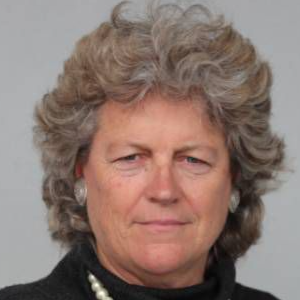
Dover Samuels is a former Far North deputy mayor, Te Tai Tokerau MP and Māori Affairs Minister. Photo / Jenny Ling
Dover Samuels is a former Far North deputy mayor, Te Tai Tokerau MP and Māori Affairs Minister. Photo / Jenny Ling
Former Far North deputy mayor Dover Samuels is calling for councillors to stand down if the district’s proposed 6.7% rates rise goes ahead.
The veteran politician said Far North District Council should instead freeze rates.
Far North Mayor Moko Tepania said a zero rates rise was always possible, but thequestion then would be, “... What are we prepared to go without?”
Samuel’s call follows a Local Democracy Reporting Northland story about the plight of Oromahoe ratepayer Gail Olliver, who says the ever-increasing district rates bill is forcing her off her land.
Samuels said the cost-of-living impact in the Far North was the worst he had seen, and rising fuel prices were hitting people hard.
He believed ratepayers would be extremely challenged if FNDC rates were to rise by 6.7%.
Last year, FNDC considered what would have been its largest rates increase of 16.5%, before cutting it to just over 5%.
“Listen to what’s happening out there with your ratepayers and acknowledge the challenge that’s before them and the difficulty that’s facing the community,” Samuels said.
Tepania said halving the proposed 2026-27 rates increase to 3% was an option the council would consider when making its decision next month.
But people should understand the “real-world differences” between the two options.
“The difference between 3% and 6.7% equates to around 53 cents per week per $100,000 property value – so roughly $3 per week for a typical home.
“That difference needs to be weighed against the services and infrastructure it would fund.”
Far North Mayor Moko Tepania.
Reductions in rates would likely affect what some would describe as “nice to haves”, such as swimming pools, libraries, community programmes and other amenities.
He said these formed part of the services that supported community wellbeing and quality of life, even if some saw them as non-essentials.
“The financial reality is that removing these items would not significantly reduce overall rates increases, because most spending is tied up in core infrastructure.
“Without alternative funding tools, reducing rates does not remove pressure, it just limits our ability to make it, often resulting in deferred infrastructure, service reductions or increased debt.”
Tepania said Samuels was entitled to his views, “but these are complex decisions with real consequences for our communities and, as our former FNDC deputy mayor and a central government MP, Matua Dover will know all too well the cost pressure we face and, unfortunately, without better funding and financing tools, the council has to rely on rates for our services.”
He understood and empathised with the pressures many in the Far North were facing.
“A zero rates rise means fewer services, deferred infrastructure and bigger costs down the track. We can’t freeze rates and still maintain the same level of service, so there will always be trade-offs.”
He stood behind the mahi of FNDC Māori ward councillors to ensure Māori perspectives were heard.
“I do want to assure people that we care and that our staff have been working around the clock to try to find the most savings they can without blowing out all our core services and infrastructure.”
Tepania said the heart of the issue was maintaining a difficult balance of keeping rates as affordable as possible, “... while making sure our communities have the services and infrastructure they need now and into the future”.
“At the end of the day, a zero rates increase doesn’t remove costs, it shifts them and often makes them bigger later. The real question is not whether we pay, but when and how.”
■ LDR is local body journalism co-funded by RNZ and NZ On Air.