10 out of 10
It has been a tumultuous decade for sport with one word standing
as the clear winner in the battle for column space: cheating.

When debating the Biggest Sports Stories of the Decade it is worth noting that the phrase was not intended to be subjective.
We know what a story is and we have enough analytics to evaluate the “biggest-ness” of them.
But there’s no romance in a spreadsheet.
The biggest stories of the decade will mean different things to different people. I have viewed this through a global lens. There are obvious stories here, but there is also an element of inherent bias – the stories I have chosen tend to be about topics I have a particular interest in.
Spoiler alert: most of them are “bad news” stories; none of them involve the All Blacks.
I have largely steered clear of “results” stories except in two cases, though one is a collection of results and the other is the cherry on top of a decade-long story of redemption. This was deliberate. While it might have been tempting to include the New England Patriots comeback from 3-28 down to beat the Atlanta Falcons in Super Bowl LI, if I’m paying any attention to metrics then the story of their owner Robert Kraft’s alleged rub-and-tug at a strip mall massage parlour probably had more impact.
Anyway, who’s to say whether the Patriots comeback was any more astonishing than what Liverpool and Tottenham Hotspur achieved in their respective Champions League semifinals this year, and if we’re looking at a single result that had the most global wow factor, you couldn’t look past Germany humiliating Brazil 7-1 at the South Americans’ own World Cup.
Also avoided were obituaries. There were outpourings of emotion when Jonah Lomu died far too young, when global icon Muhammad Ali succumbed to the debilitating effects of Parkinson’s and the bizarre situation surrounding comatose Formula One legend Michael Schumacher, but personal tragedy doesn’t make it here.
Nor do athletes and their peccadilloes… well maybe one, and that was due to the profound effect it had on his sport rather than the personal lives of his nearest and dearest.

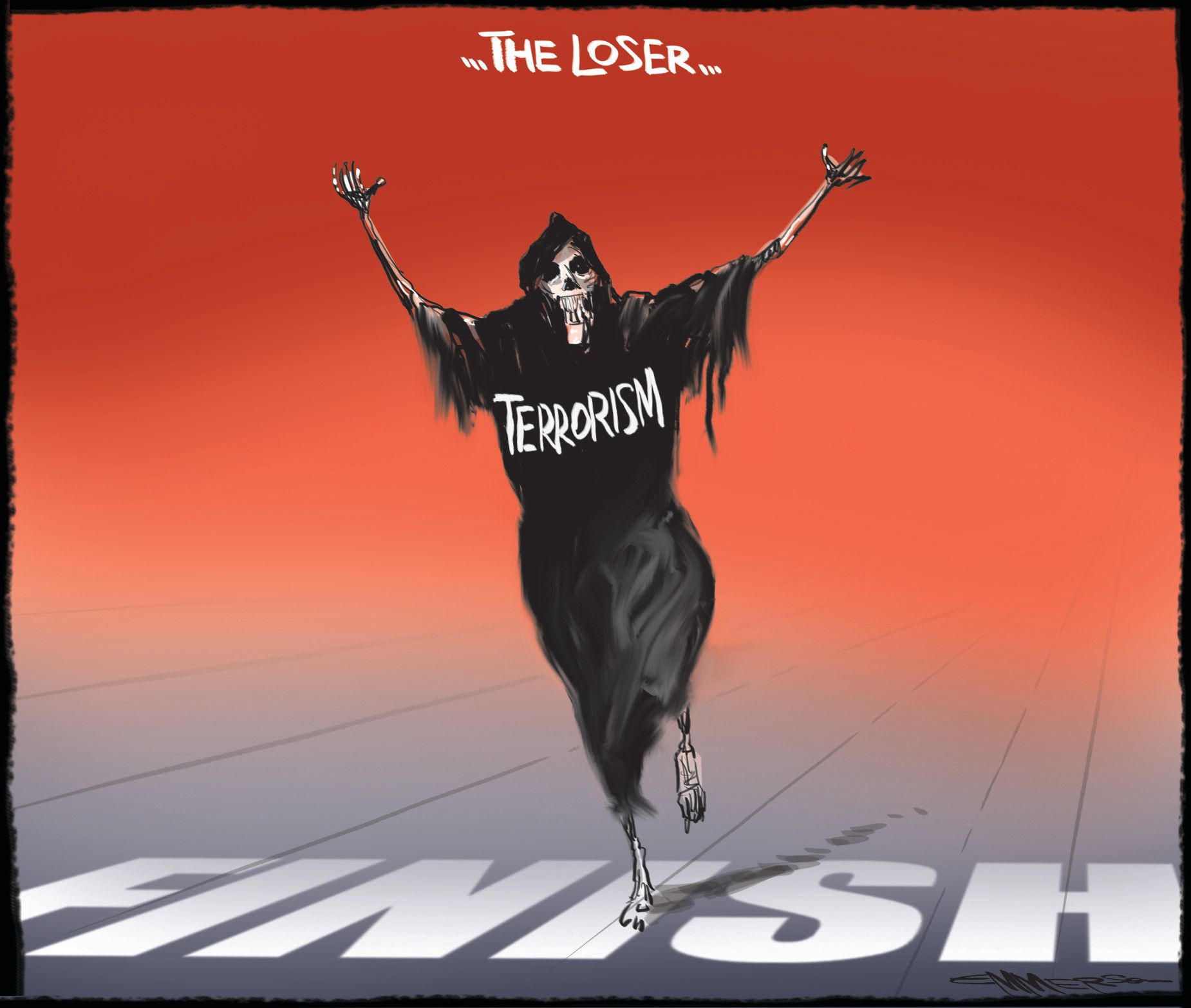
The Boston Marathon bombing was considered, as was the attempted bombing of Stade de France during a football international (the same night as the Bataclan Theatre tragedy), but sport seemed incidental to politics, rather than entwined.
The story that came closest to surviving the cull was the increasingly sad tale of Caster Semenya and the ethical issues around sport and gender, of which we have not been immune.
Without further explanation, here are my 10 Biggest Stories of the Decade.
1. The Fall of Armstrong
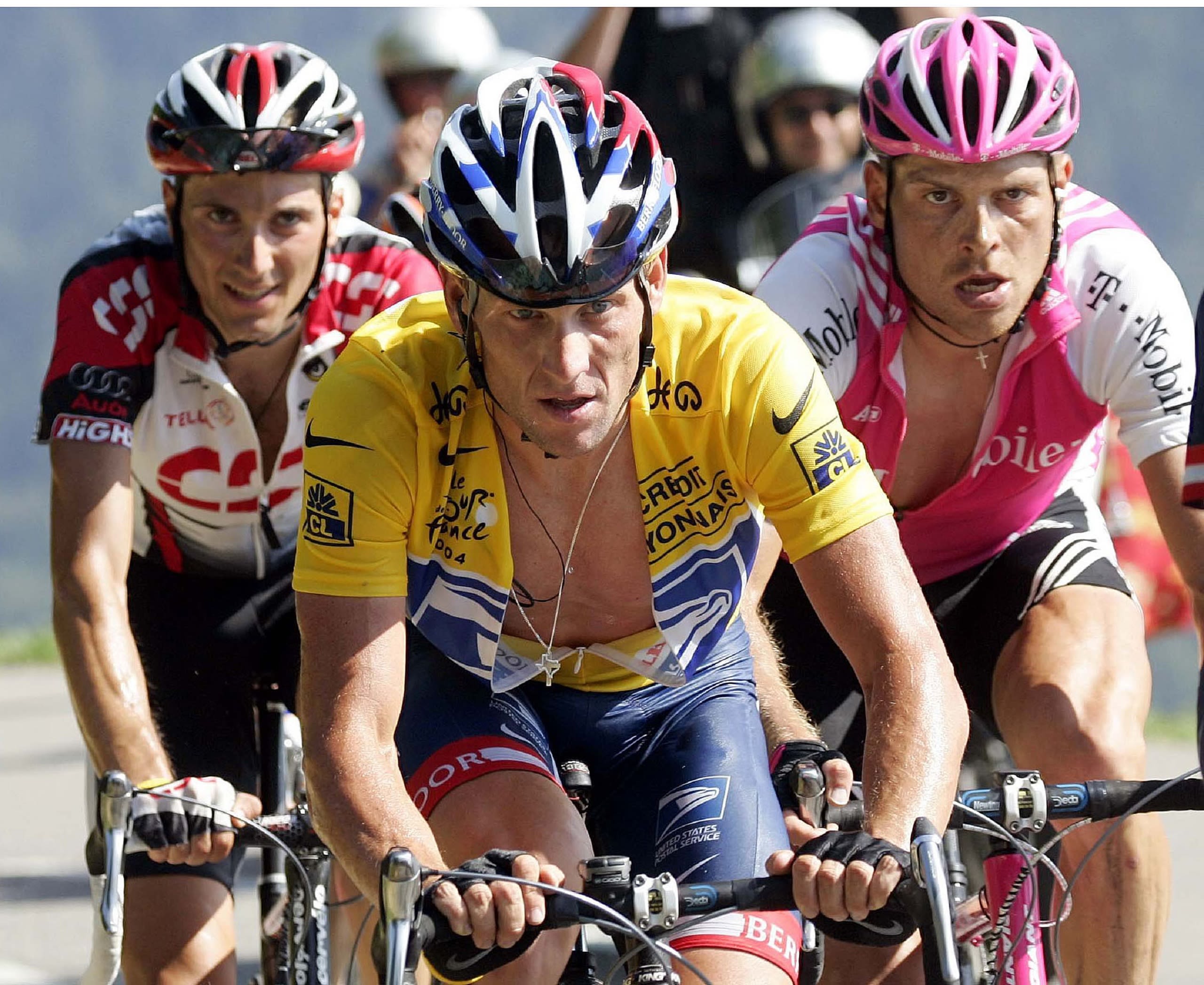
When Lance Armstrong sat down to be interviewed by Oprah Winfrey in January 2013, the walls had already closed in. Still, the first two minutes of that interview will permanently occupy a spot on the top shelf of sporting infamy.
Oprah Winfrey: Yes or no, did you ever take banned substances to enhance your cycling performance?
Lance Armstrong: Yes.
OW: Yes or no. Was one of those banned substances EPO?
LA: Yes.
OW: Did you ever blood dope or use blood transfusions to enhance your cycling performance?
LA: Yes.
OW: Did you ever use any other banned substances like testosterone, cortisone or human growth hormone?
LA: Yes.
OW: Yes or no, in all seven of your Tour de France victories, did you ever take banned substances or blood dope?
LA: Yes.
OW: In your opinion was it humanly possible to win the Tour de France without doping, seven times in a row?
LA: Not in my opinion.
Most sane people already suspected Armstrong was as dodgy as a $3 note, but the sport of cycling was not famous for its collective mental health.
As evidence upon evidence of the Texan’s cheating mounted up, there were still plenty of fans that had his back. The problem was, too many of those fans were in the media and, most disturbingly, at the top table of cycling’s governing body, the UCI.
Whistleblowers were either bullied into silence by Armstrong and his cadre of lawyers, or ignored by cycling authorities.
Testing was easy to beat. Armstrong’s story of near-death cancer survivor to Tour de France record-breaker was too compelling to tarnish. It wasn’t about the bike, after all.
That last part was true. In 2012, the US Anti-Doping Agency released its findings. They were devastating. The report stated that Armstrong and his enablers ran “the most sophisticated, professionalised and successful doping program that sport has ever seen”.
The ball was in Armstrong’s court. He had fought the allegations of doping most of his professional life. He would fight again, surely?
Not quite. While staunchly maintaining his innocence of the charges and creating the playbook from which a certain American president would later follow by calling the investigation “an unconstitutional witch hunt”, he chose not to fight in arbitration because of the toll it was taking on his cancer foundation and family.
“There comes a point in every man’s life when he has to say, ‘Enough is enough’,” Armstrong said. “For me, that time is now.”
Armstrong was stripped of his seven Tour de France titles but no replacement winners were declared from 1999-2005. In the record books those years remain blank yet appear as an ugly scar.
Finally, on the couch in front of the cameras, Armstrong came clean.
“I view this situation as one big lie that I repeated a lot of times,” Armstrong would tell Oprah.
It was a lie that had the most astonishing, far-reaching implications for the sport.
Or did it?
Every July, close to 180 riders will set out to ride 3500kms around the countryside of France, across windswept plains and up and down two alpine ranges. If you believe they’re all doing it on “pan y agua” - on bread and water - you probably believed Armstrong right up until he met Oprah.
The show must go on.

2. Fifa’s Dirty Secrets Exposed
Fifa HQ in Zurich has five floors of offices and rooms, but only two are above ground. To wit, the building is the perfect metaphor for the organisation.
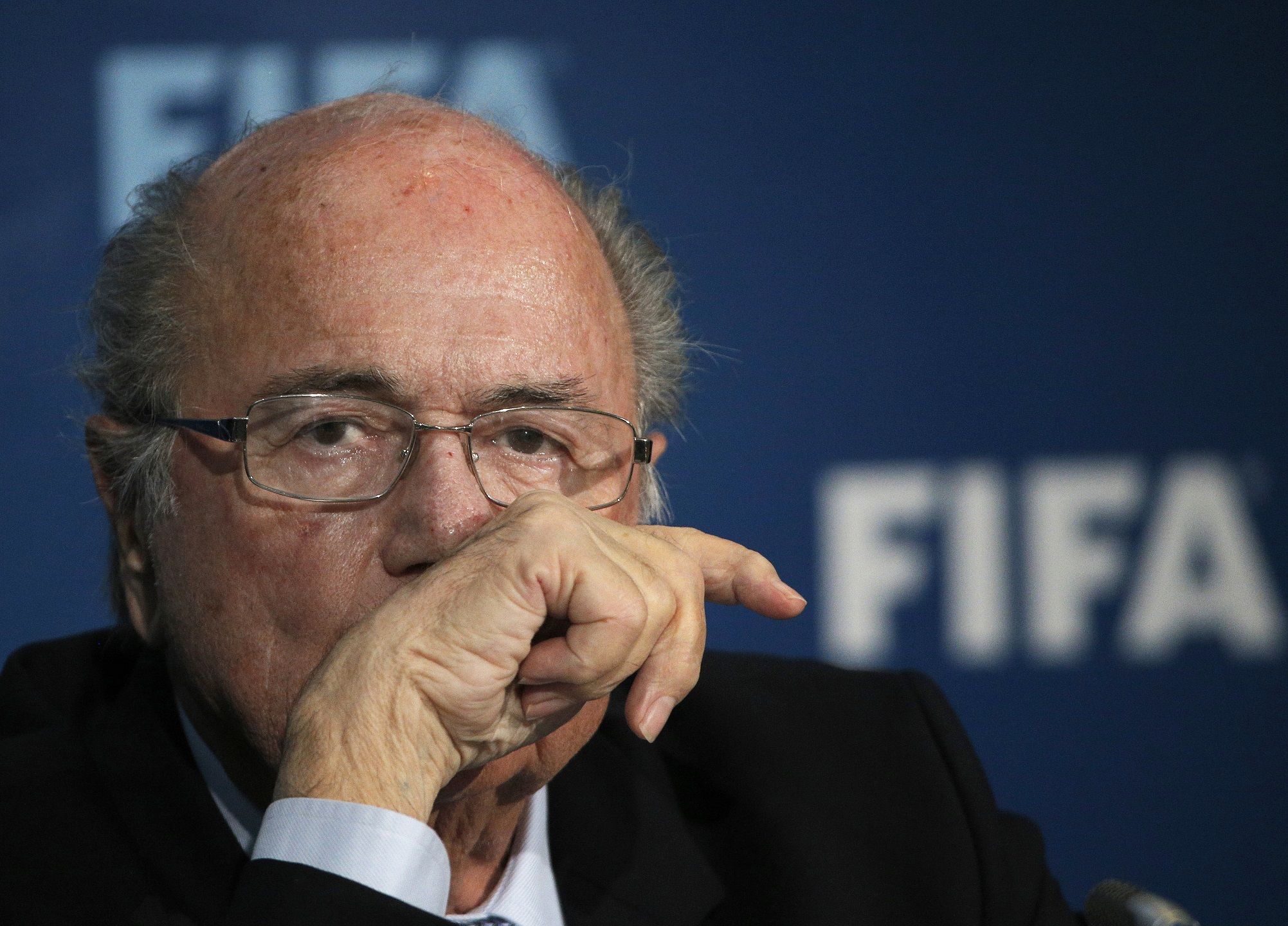
“Places where people make decisions should only contain indirect light,” said disgraced Fifa president Sepp Blatter, “because the light should come from the people themselves who are assembled there.”
Let’s rearrange that sentence slightly for both accuracy and posterity.
“Places where the corrupt enrich themselves should contain only indirect light,” said Blatter, “because the people assembled there work best in the shadows.”
Like drugs in cycling, most people with a modicum of curiosity knew Fifa was crooked, but the sheer size and omnipotence of the organisation protected it from outside interference.
That protective shield came crashing down in 2015 when an investigation led by the United States FBI and Internal Revenue Service Criminal Investigation Division resulted in 14 indictments against Fifa members or associates on wire fraud, racketeering and money laundering.
Most spectacularly, on May 27, 2015, cops arrested seven Fifa officials at the plush Hotel Baur au Lac as they awaited the 65th Fifa Congress.
There are too many cases of skulduggery, both alleged and confirmed, to list but some of the numbers are staggering. The two agencies mentioned above alone uncovered about US$150 million in bribes alone.
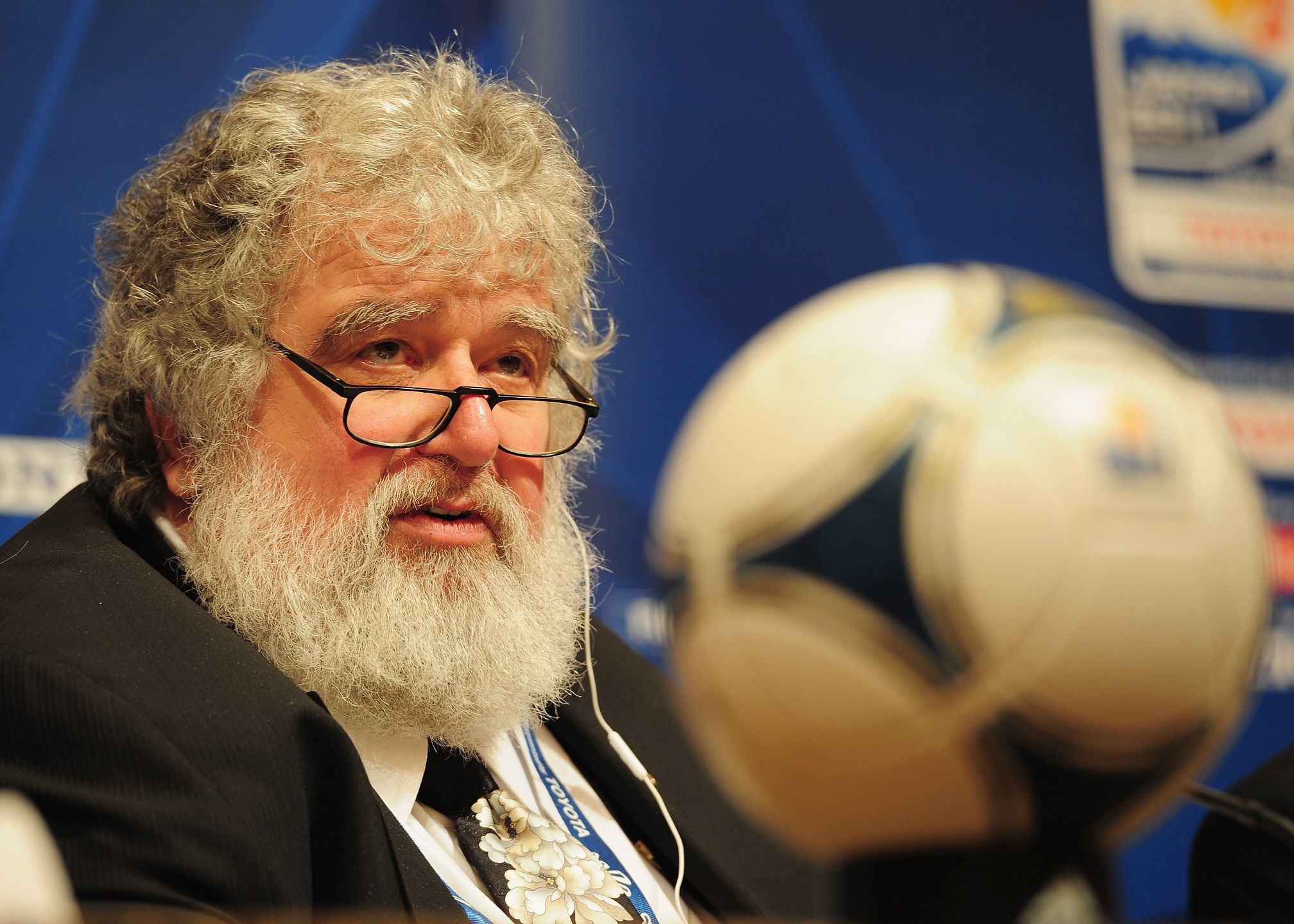
Some big names fell, including idiosyncratic American Chuck Blazer who, among other weird things, rented a $6000 per month New York Trump Tower apartment for his cats. He was right-hand man at Concacaf – which runs football in North and Central America and the Caribbean – to Trinidadian Jack Warner, who also went down in a screaming heap alongside two sons Daryll and Daryan.
The biggest name of all, Blatter, avoided indictment and two days later was re-elected president, which is as good an indication as any as to how Fifa voting members viewed corruption under their watch. With the world in uproar, Blatter announced he would hold the position only until an extraordinary Congress could be staged to vote in a successor.
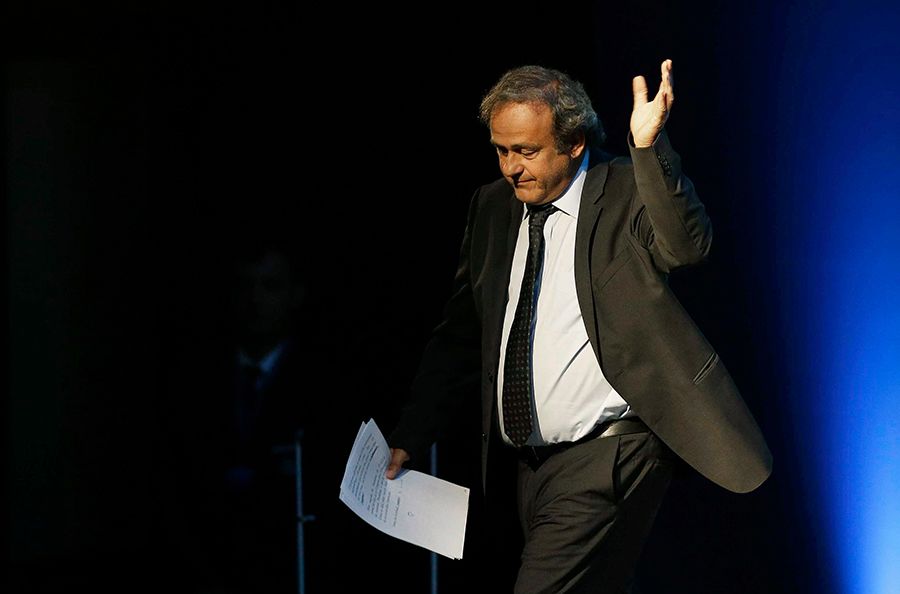
Shortly after he appeared to contradict that stance by indicating he could yet stand in a hastily arranged election but all this blather became moot when Swiss authorities announced they were investigating him for possible financial crimes also involving former France legend Michel Platini.
Major sponsors demanded he resign and finally the oxymoronic Fifa ethics committee announced eight-year bans from football-related activities for the pair (reduced on appeal to six).
By the way, the next World Cup is being held in Qatar, a country with an unsuitable climate and a shocking human rights record that is effectively using slave labour to put in place the required infrastructure.
How on earth did Qatar win that bid, you may ask?
The beautiful game, indeed.






3. Sport’s Big Brainwash
It was way, way back in 2002 when Bennet Omalu performed an autopsy on NFL legend Mike Webster’s brain and found some bad stuff in there he would label Chronic Traumatic Encephalopathy.
It took 14 years and too many horror stories later before an NFL executive, Jeff Miller, executive vice president for health and safety, admitted the connection between American football and brain disease.

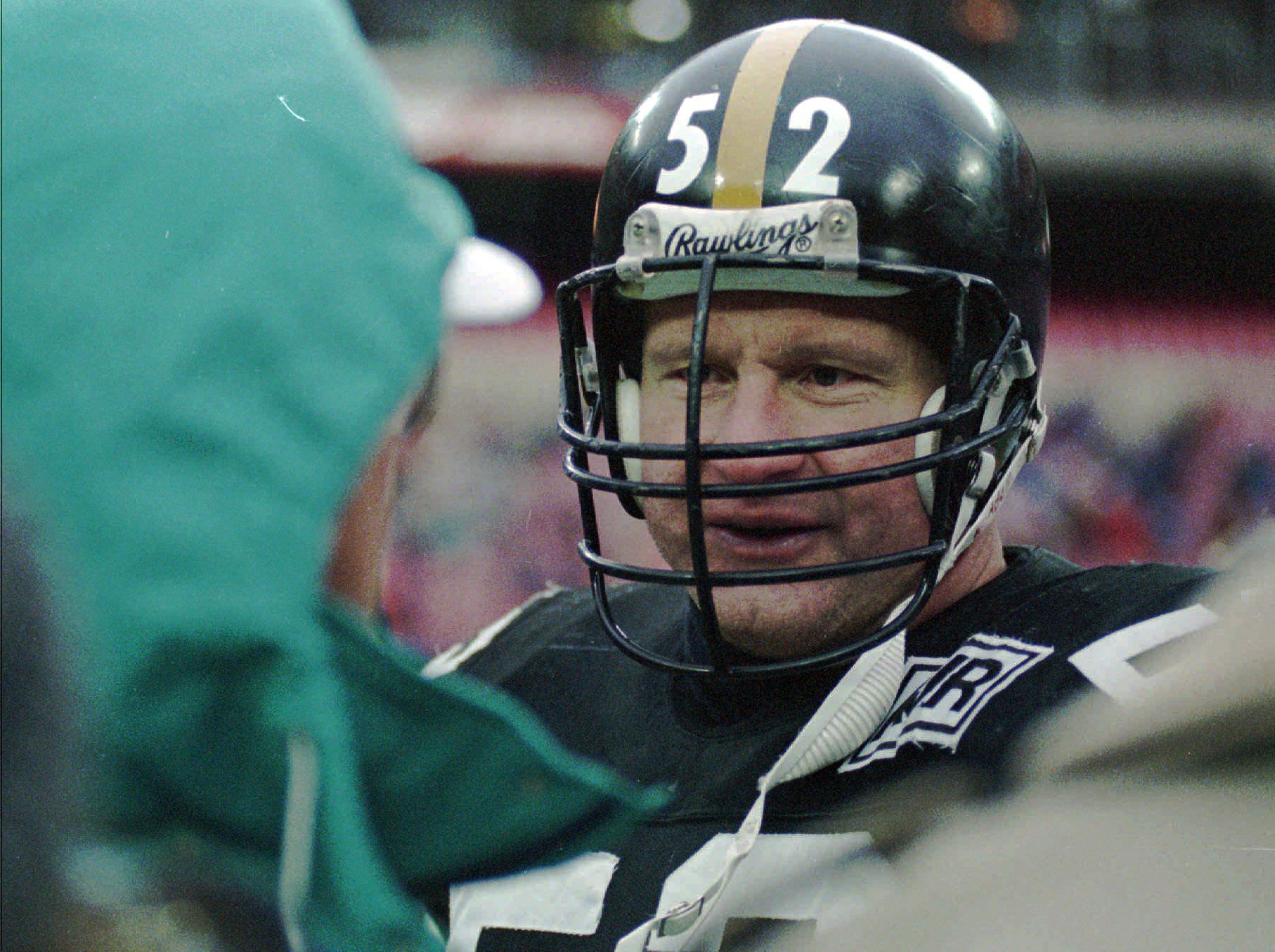
Mike Webster was a feared and famous member of the Pittsburgh Steelers who died a miserable and painful death. Photo / AP
Mike Webster was a feared and famous member of the Pittsburgh Steelers who died a miserable and painful death. Photo / AP
He did so, perhaps accidentally, at a hearing of the United States House of Representatives Committee on Energy and Commerce, which was looking into research presented primarily by Boston University neuropathologist Dr Ann McKee.
She had become famous for cutting open former football players’ brains and finding the distinctive tangles of tau protein that signalled CTE, a degenerative brain disease that causes dementia and, eventually, death.


Ann McKee has won praise and scorn for identifying CTE in the brains of more than 100 deceased NFL players. Photo / supplied
Ann McKee has won praise and scorn for identifying CTE in the brains of more than 100 deceased NFL players. Photo / supplied
Publicity around the findings have tended to devolve into two extreme camps, neither of which is particularly helpful: those who believe that contact sport is fundamentally unsafe and those who administer it irresponsible; and those who believe there was no causal link between head trauma in sport and CTE.
Both ends of that spectrum became experts in cherry-picking science and using straw-man arguments to prove themselves right.
(Problem being, there is really only lasting and irreversible damage done by one of those camps if they’re finally proved wrong.)
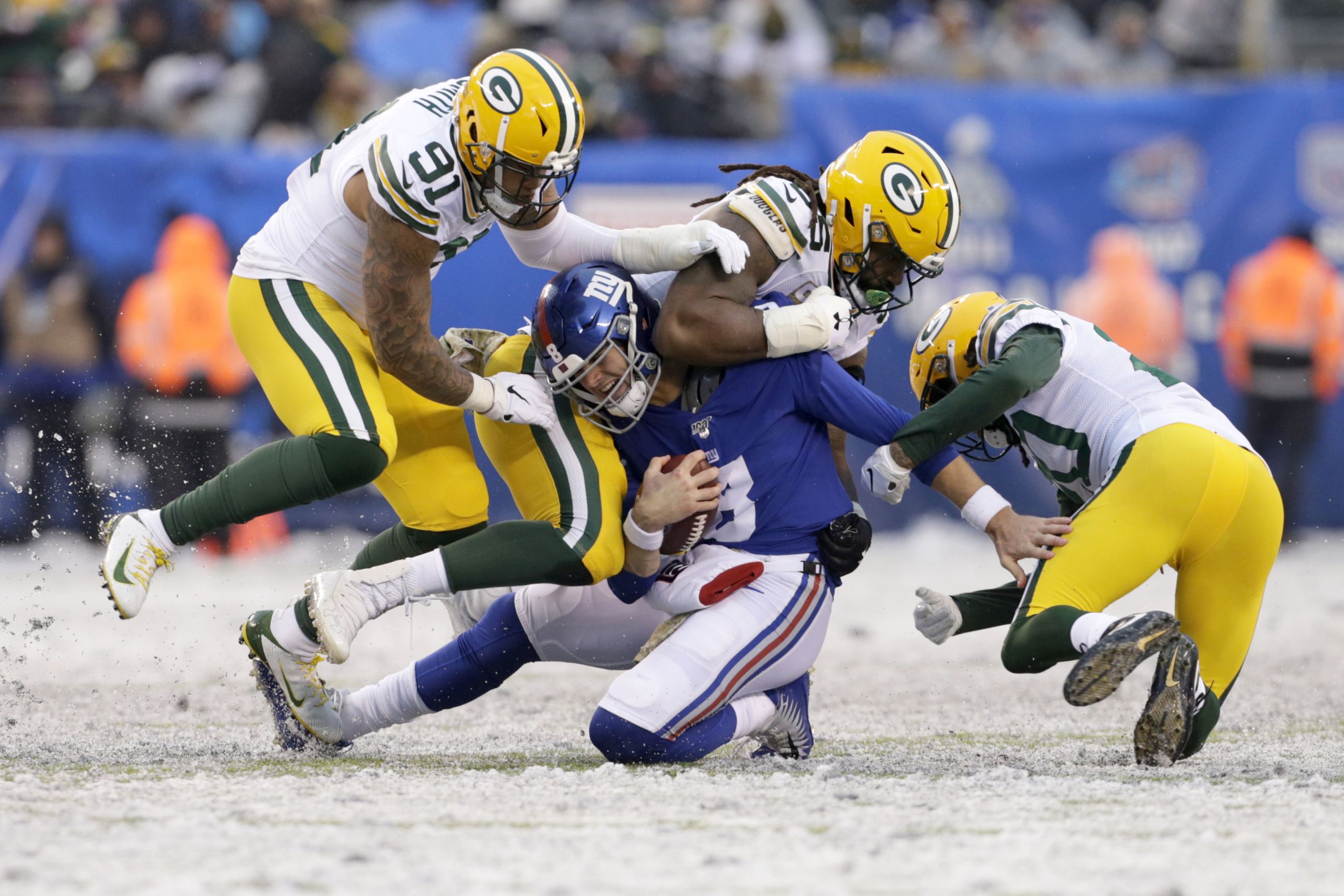
It has been a seismic decade for the NFL, who has already paid out more than $100m in their concussion settlement, a figure expected to rise to $1 billion.
It would be wrong, however, to see CTE as an American football problem.
The stakes around the recognition and treatment of concussion and sub-concussive head injuries have been raised in a number of the world’s most popular sports, from football to rugby to ice hockey, martial sports and more.
RELATED READING: The Longest Goodbye
MORE: Sports brain bank opens in NZ
Instances of clusters of former rugby players suffering from dementia have been highlighted in these pages, and recent research by the Glasgow Brain Injury Research Group has found that former professional footballers are three-and-a-half times more likely to die from neurological diseases than the general population, probably due to heading the ball.
Recently there was confirmation that former NRL legend Steve Folkes died with CTE.

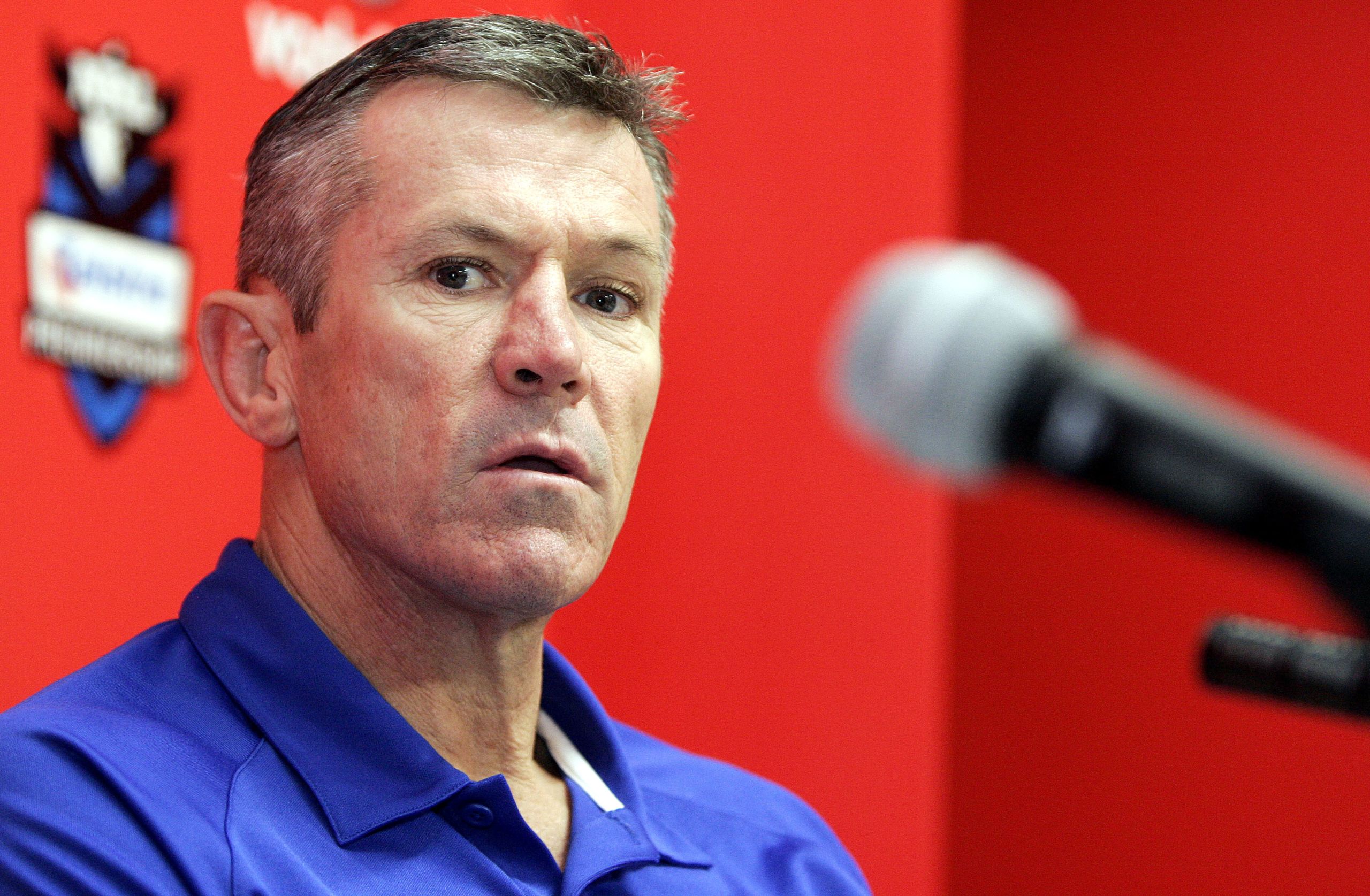
Folkes was a hard-tackling forward for the Canterbury-Bankstown Bulldogs, NSW and Australia.
Folkes was a hard-tackling forward for the Canterbury-Bankstown Bulldogs, NSW and Australia.
There is a cache of scientists, however, who are urging that the brake pedal to be pushed on CTE hysteria. That is understandable. What is unforgivable is that there is a still a robust denial industry out there.
The gazillion-dollar sports and entertainment industry no doubt appreciates their efforts.
4. To Russia, With Drugs

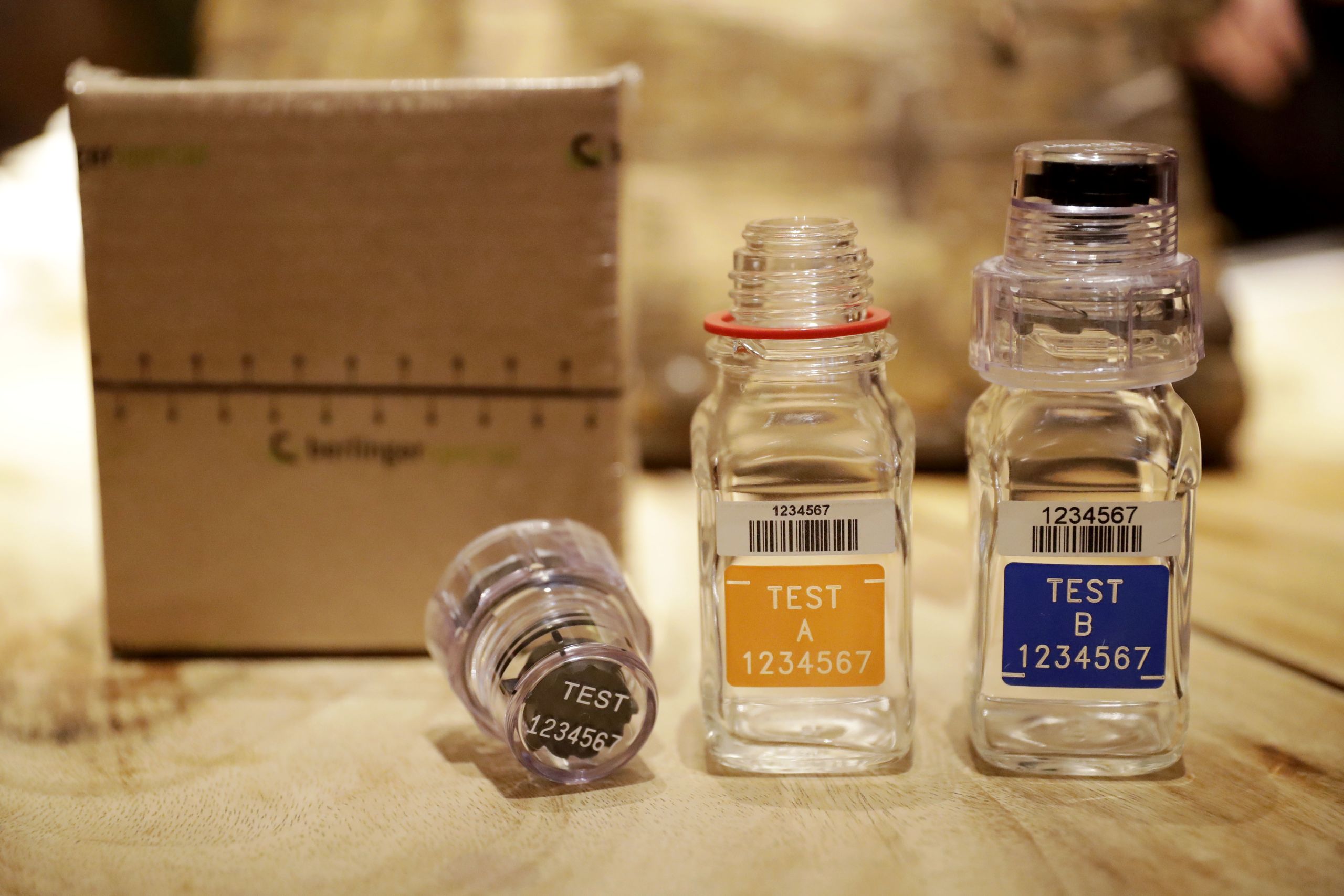
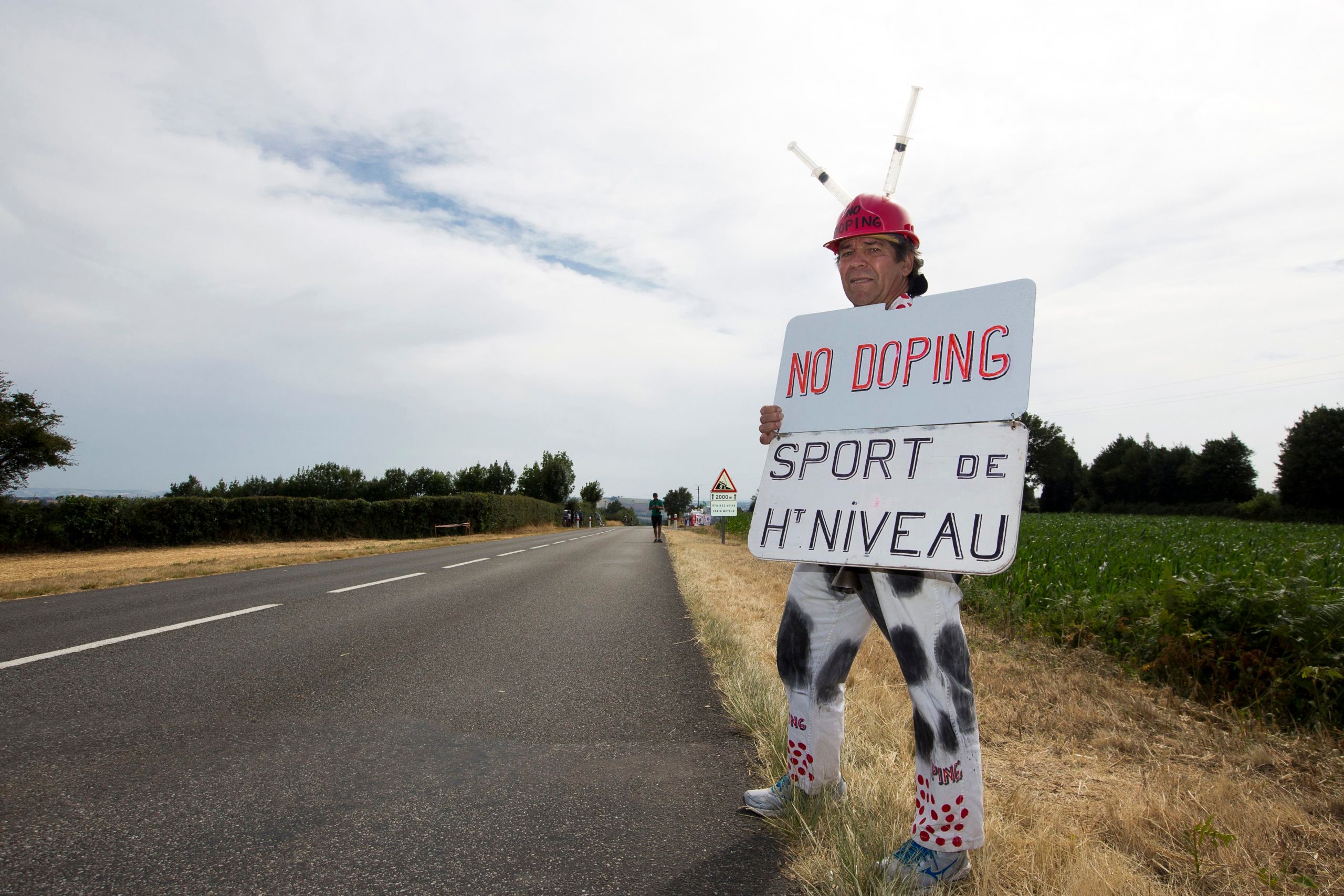
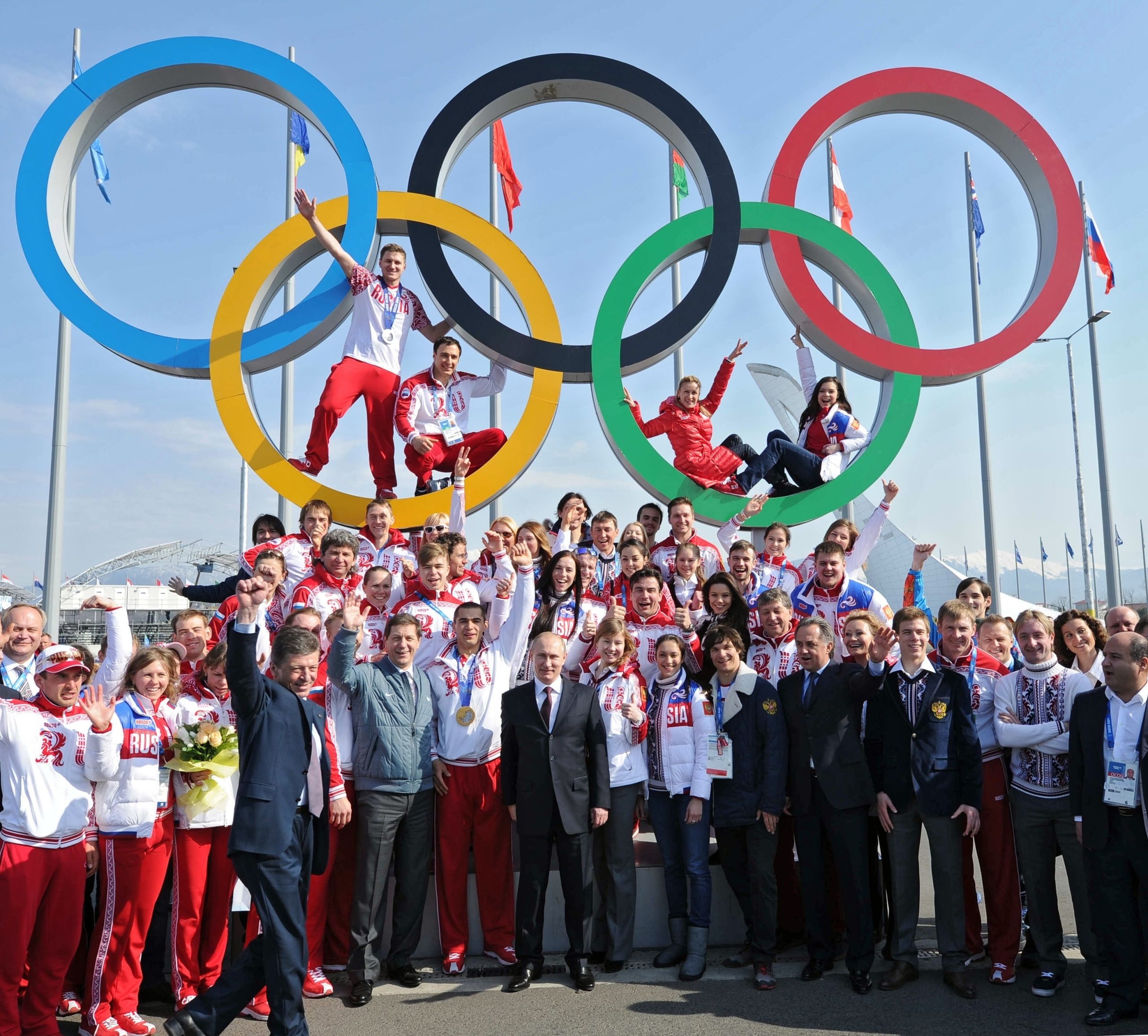
To connect sports doping and Russia is not revelatory. The practice dates back to their first appearance at the Summer Olympics in Helsinki, 1952, and possibly earlier in other theatres of sport.
The 1980 Moscow Olympics were seen by many informed observers as a giant chemistry experiment. In the absence of many boycotting Western democracies, the Soviet Union collected a staggering 80 gold and 195 total medals.
As sport attempted to go down a more ethical route after the excesses of the Cold War era, drug testing became more rigorous and it was supposed to be harder to cheat.
Russia proved that if you want to use sporting prowess as propaganda, however, it’s easy to subvert the system.
The idea that Russia was still engaged in state-sponsored doping gathered pace in 2010 when a whistleblower inside Rusada – Russia’s anti-doping agency – began sending emails to the World Anti-Doping Agency (Wada) indicating that his organisation was allowing systemic doping.
This was backed up by documents from Darya Pishcalnikova, an athlete who would test positive for a second time in 2013 and be banned by Rusada for 10 years.
Even armed with this evidence, geopolitics meant exposure of the scheme was fraught, so Wada handed the task to an investigative reporter at German TV station ARD. The documentary, “The Doping Secret: How Russia Creates its Champions”, was well sourced and damning.
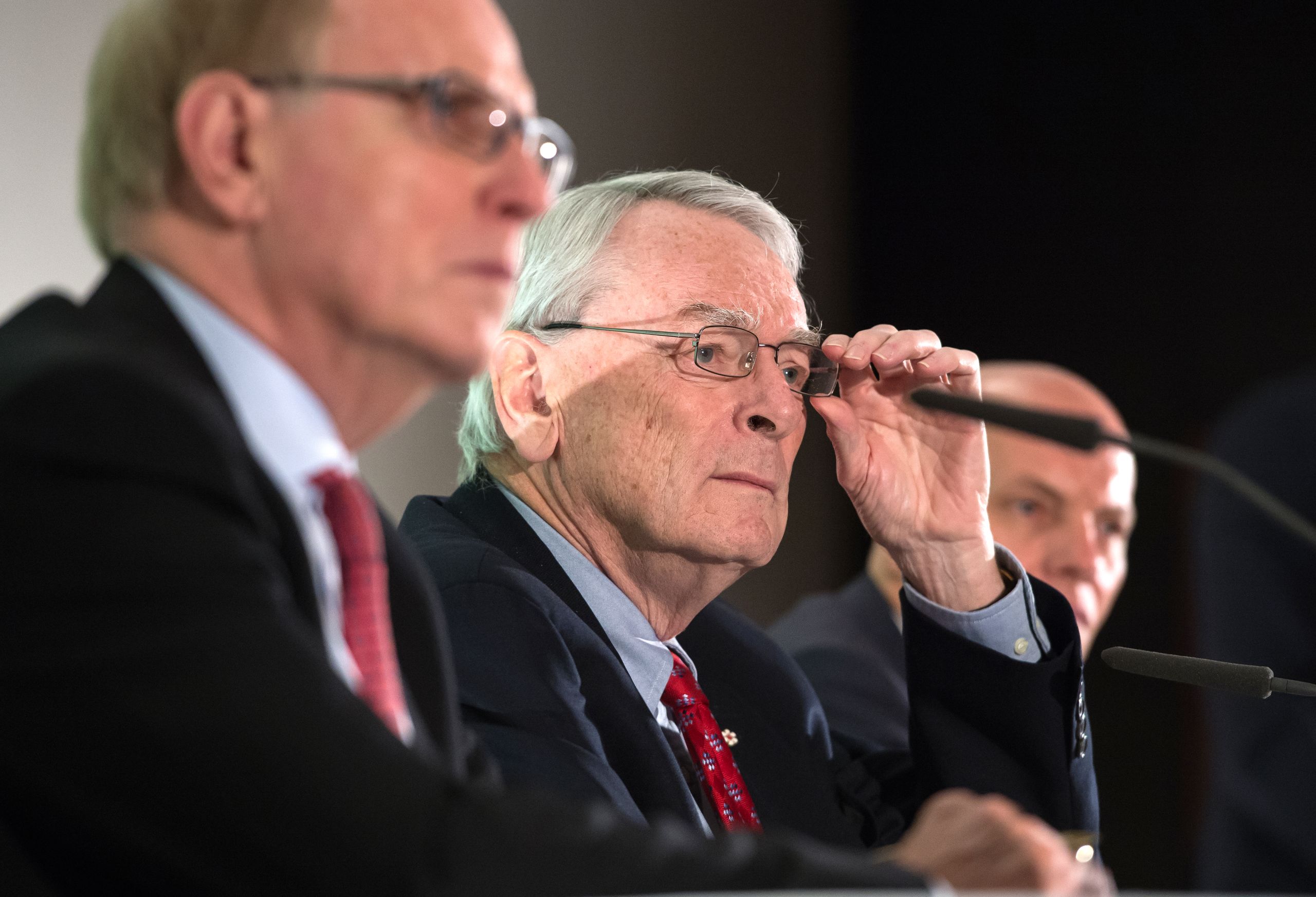
The door was opened and Wada commissioned its own report, authored by former president, the gleefully named Dick Pound. It implicated Russian intelligence agencies, Rusada’s Moscow anti-doping lab run by the colourful Grigory Rodchenkov, and even IAAF officials in the scheme.
Fearing for his life, Rodchenkov turned whistleblower and fled to the US (this is all documented in the accidentally brilliant documentary “Icarus”). Based on his revelations of cheating at the 2014 Sochi Olympics, Wada commissioned Richard McLaren to investigate and report on the allegations.
The McLaren report, delivered in July 2016, was mind-boggling.
It said that “beyond a reasonable doubt” Russia’s Ministry of Sport, the Centre of Sports Preparation of the National Teams of Russia, the Federal Security Service (FSB), and the Wada-accredited laboratory in Moscow had “operated for the protection of doped Russian athletes” within a “state-directed failsafe system” using “the disappearing positive [test] methodology”.
In other words, with the assistance of multiple agencies, athletes’ positive tests were simply swapped for clean ones.
Condemnation was swift but not cohesive. With the Rio de Janeiro Olympics approaching most expected the International Olympic Committee to ban Russia from competing, but it dropped the ball shockingly (although predictably), leaving it up to the individual sports to choose sanctions.
Many gave Russia the green light.
Two years later, at the PyeongChang Winter Olympics, Russian athletes were able to compete under a neutral flag.
This year, Russia was banned by the IAAF from competing at the track and field world championships.
RELATED READING: Spineless NZOC
What of the role of Wada now? Well, up until recently that has been surprisingly complicated.
It had taken what might be described as a compromising stance, allowing Russian authorities to miss deadlines for access to their Moscow lab with impunity. It opened the way for former boss, New Zealander David Howman, to launch this understated yet stinging critique of the current leadership of Australian Craig Reedie.
“This looks like they have taken the decision to deviate from a carefully put-together roadmap for entirely pragmatic reasons,” Howman said. “Wada has gone from an organisation that cared about clean athletes to one that cares about international federations that have not been able to stage events in Russia: it’s money over principle.”
Godliness might be next to cleanliness… unless there are a lot of rubles in play.
This month, however, the organisation partially redeemed itself, summarily banning Russia from international sporting competition for four years, including the Olympic cycle and the 2022 Fifa World Cup.
Expect appeals.




5. Oscar’s Murderous Rage
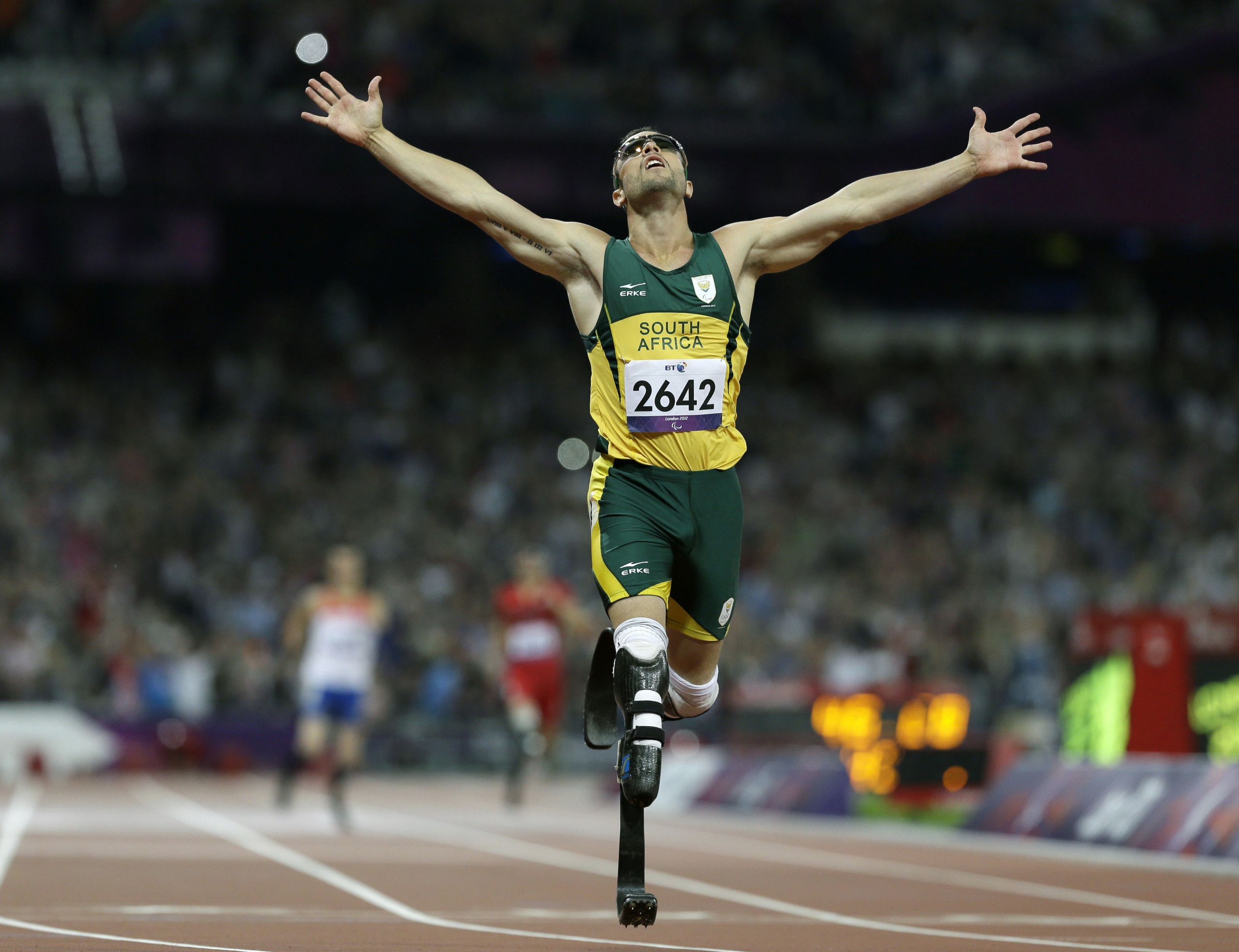
The story of Oscar Pistorius was, for many, also the story of democratic South Africa: a story of hope.
The Blade Runner was a story made for Hollywood: the kid from Jo’burg who had his feet amputated due to a congenital defect and became the first disabled athlete to win a medal on the track at the world championships.
His story will still be made into a movie, but one without a happy ending.
In February 2013 Pistorius shot and killed his girlfriend, Reeva Steenkamp. That much was never in doubt. In a society where gun violence was rife and the population often had just cause to defend itself, it was the intent that was key.

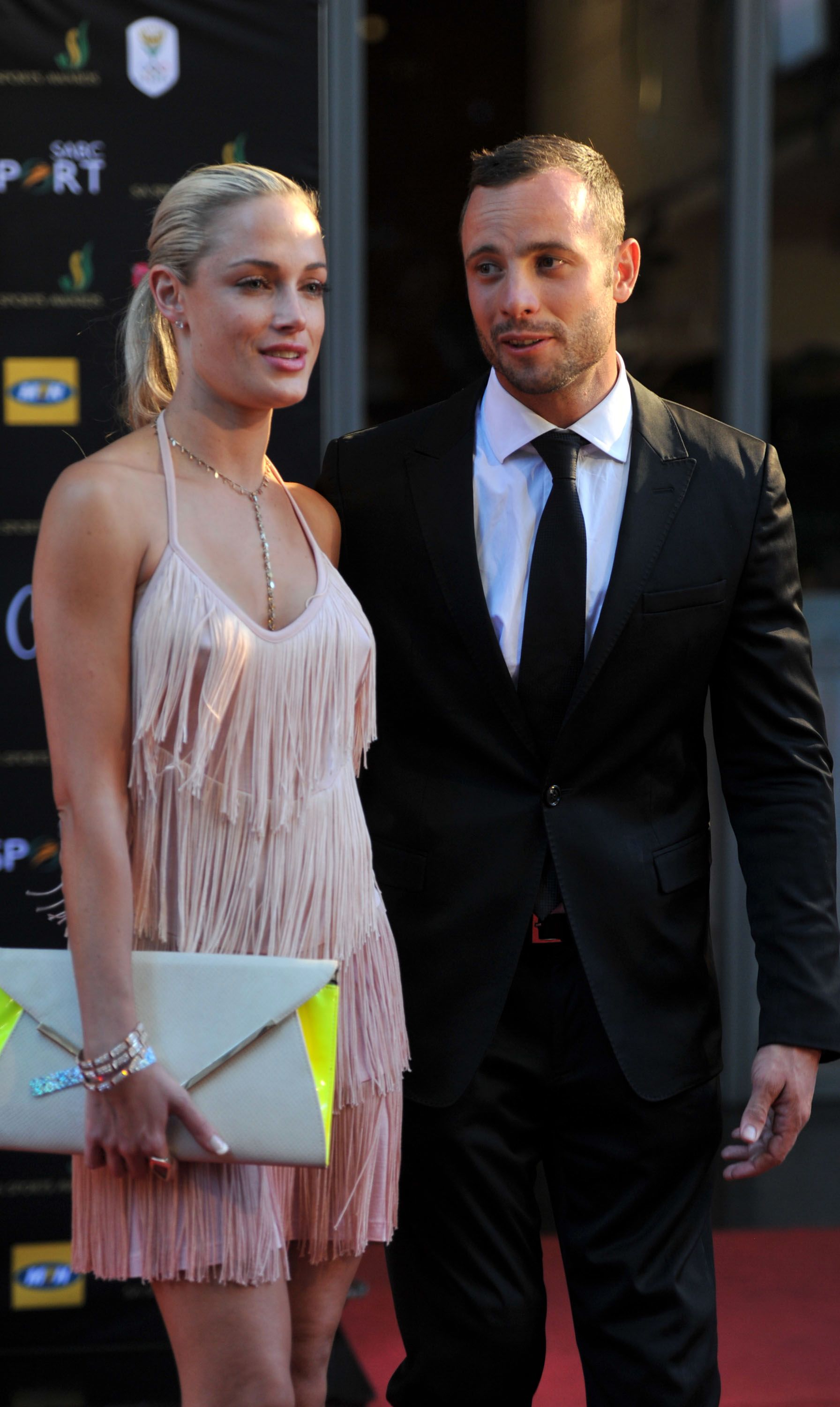
Pistorius insisted he had mistaken Steenkamp, a high-profile model, for an intruder hiding in the bathroom. At trial, his defence appeared flimsy and came under sustained attack from theatrical prosecutor Gerrie Nel. There was general surprise when he was cleared of murder and instead convicted of the lesser charge of culpable homicide.
He received a five-year prison sentence and was released under house arrest in 2015. Then things got really interesting.
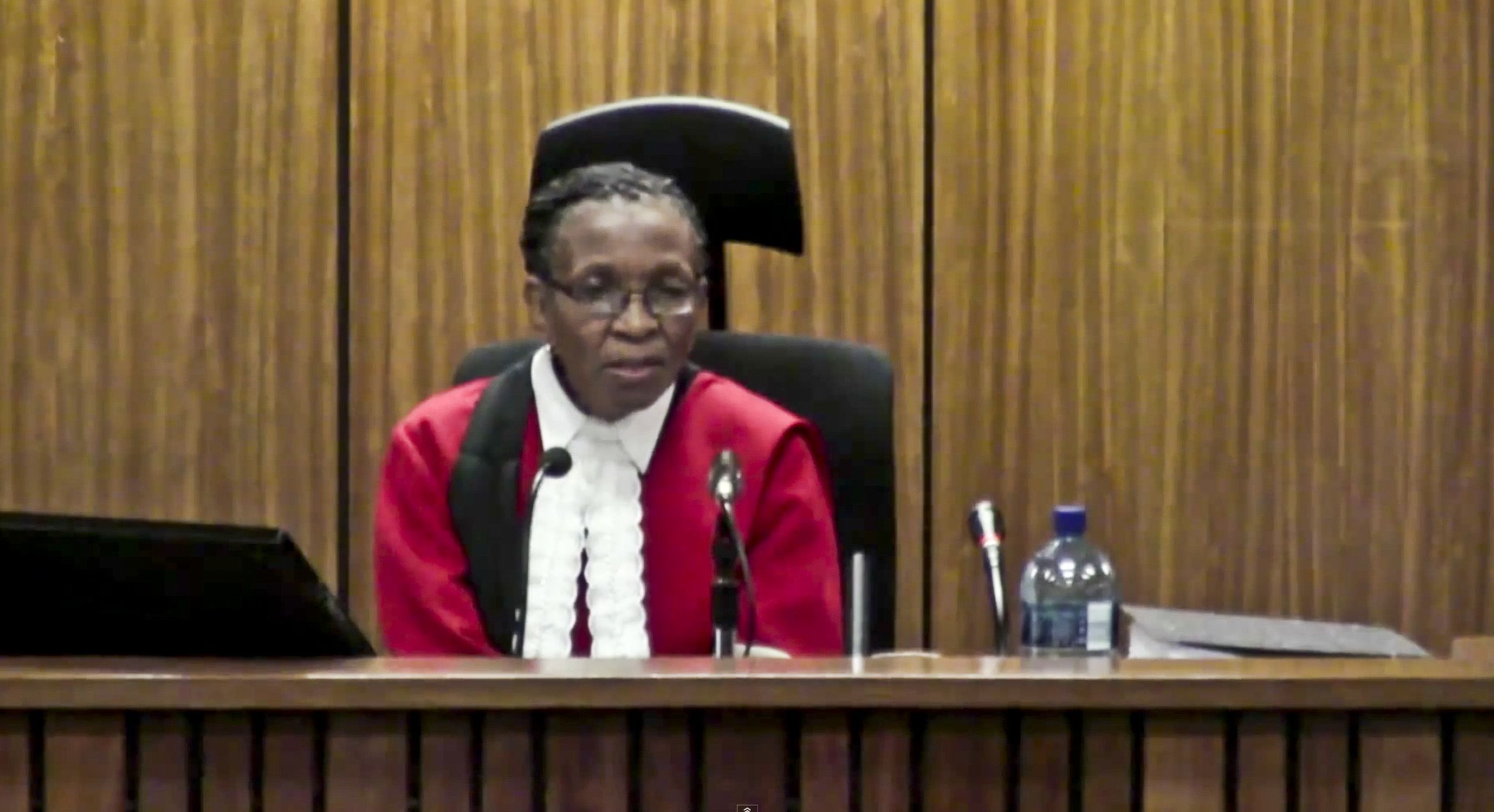
The Supreme Court of Appeal overturned the culpable homicide verdict and convicted him of murder. Judge Thokozile Masipa extended Pistorius' sentence to six years, which was in turn appealed and was subsequently doubled to 13 years and five months.

Justice was finally seen to be served – Pistorius is in jail now and will be for a long time – but to call it a win would be missing the point.
The case both gripped and horrified those in his homeland and beyond. There to witness it first hand was journalist Eduan Roos.
“For South Africans across creeds and races, Pistorius represented the limitless possibility of the Rainbow Nation. After all, if someone with no lower legs could compete with – and trump – able-bodied athletes, then surely a country still reeling from the human rights atrocities of the past could assert itself on the global stage,” Roos said.
“When news broke on Valentine’s Day morning that Pistorius had been taken into custody following the killing of Steenkamp, the nation's mood could be best described as one of collective disbelief.”
And shame.
“The story of Oscar Pistorius instead became become reflective of the worst of the ‘new’ South African society,” Roos says. “It was a society held back by appalling disregard for human life and the profusion of violence against women. ”
6. It’s Just Not Cricket
When the ultra-talented left-arm paceman Mohammad Amir stepped over the front-foot line with the first ball of the third over of the fourth test between Pakistan and England at Lord’s in 2010, it could easily have been passed off as an innocent mistake by an inexperienced bowler.

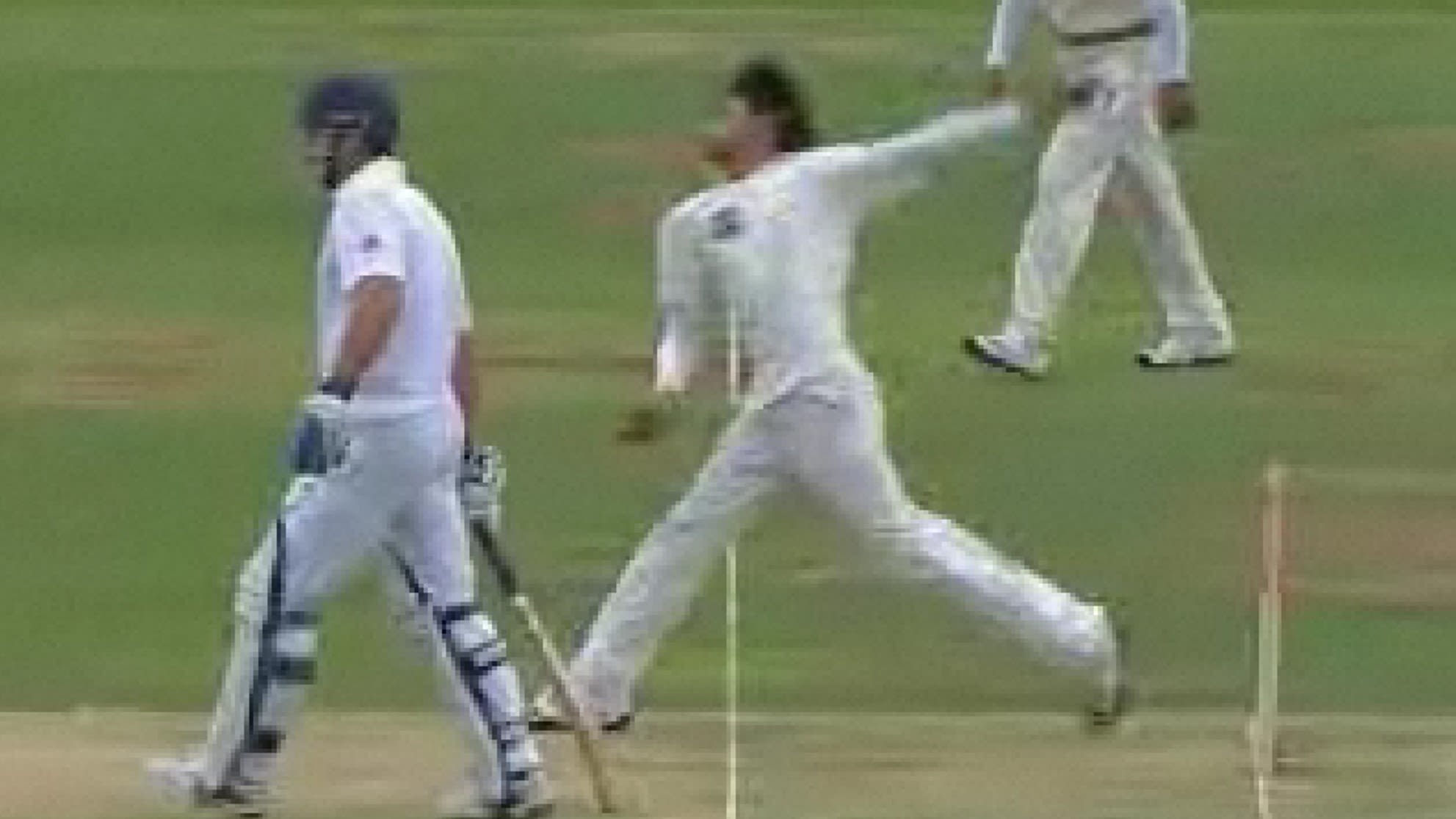
Mohammad Amir goes way past the line at Lord's.
Mohammad Amir goes way past the line at Lord's.
Others knew better though. Others knew that this was a carefully scripted plot designed to enrich corrupt bookmakers and betting syndicates.
More specifically, senior staff at the News of the World knew because they had constructed a sting that was going to blow the lid off one of the stories of the decade and cricket’s worst-kept secret: that fixing was rife and it reached all the way up to the game’s pinnacle matches.
A reporter posing as a bookie had paid middle man Mazher Majeed £150,000 to arrange spot-fixes, including no-balls by Pakistan’s seam-bowling Mohammads, Amir and Asif. He had videotaped the exchange, including the prescription of when the no-balls would be bowled and the handing over of cash.
It was explicit and it was unambiguous: on the instruction of captain Salman Butt, Majeed said, the two bowlers would do as told.
And they did.
Most cricket insiders knew this was happening. It was the sport’s dirty not-so-secret and had been around in earnest since the 1970s according to the Condon Report.
RELATED READING: Inside match-fixing
Nobody wanted to tackle it however, because it meant admitting that what we were seeing wasn’t actually real. Cricket’s credibility stood on the precipice and the International Cricket Council was in a bind.
The sport was financed off the back of broadcasters who wanted to tap into India’s massive market. Who would pay big money for rights to broadcast something that might not be real? Who would pay to watch a sham?
Cricket entered a kind of netherworld where every great performance was greeted with suspicion, particularly when it came to an Asian side (though Pakistan were considered the worst perpetrators, fixing allegations have tainted most if not all countries at some point).
The ICC opted for a halfway-house solution where they funded an anti-corruption unit that didn’t have any jurisdictional teeth, and relied on the police in individual countries to prosecute.
It rarely worked.
Instead the biggest “catch” was made by a now-defunct newspaper with a very big budget.
The reason this scandal rocked cricket where others had slid by was the fact that Amir was just 18 and considered the most promising bowler on the planet. That he could be so easily manipulated into cheating by his captain Salman Butt showed how dirty the game had become.
(It should be noted that not everybody believed Amir was the guileless innocent he was portrayed to be.)
“The coercion from Salman Butt was cruel,” respected commentator Mark Nicholas would tell ESPN. “To take someone so young and gifted out of his comfort zone, with all the threat and fear that comes with that crazy world of illegal sports betting, and offer him money to get to a better [financial] place, to mislead him, was to drown him really.”
The trio paid a heavy price. They were arrested and charged by Scotland Yard, convicted by the Southwark Crown Court and sentenced to prison, where they spent between six and seven months. Majeed went down for two years and eight months.
Pakistan Cricket handed down lenient five-year bans, although they effectively ended the international careers of Asif and Butt.
“That was something that hurt us for a long, long time,” said Misbah-ul-Haq, a statesman-like former captain who has been credited with restoring honour to Pakistan cricket.
Amir came back to international cricket in 2016, a move that was not universally popular.
Spot-fixing didn’t end with the Pakistan disgrace. We’ve had our own dramas here with former Black Cap Lou Vincent serving 11 lifetime bans for his role in the nefarious practice.
What it did was throw such a harsh spotlight on cheating that it made life tougher for the corrupt at the top level.
The proliferation of T20 leagues around the world – that’s a different story.

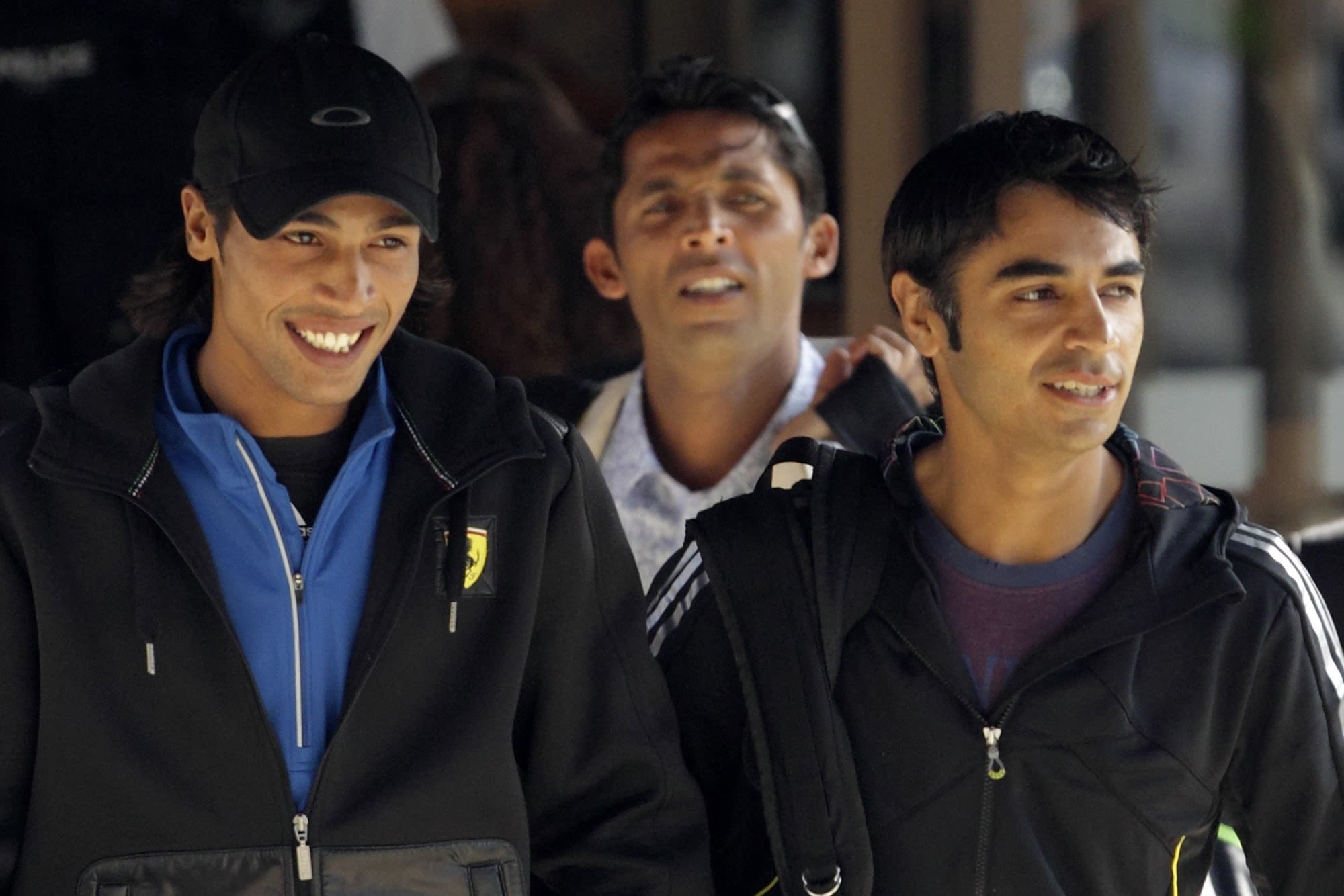
Mohammad Amir, Mohammad Asif and Salman Butt were jailed.
Mohammad Amir, Mohammad Asif and Salman Butt were jailed.

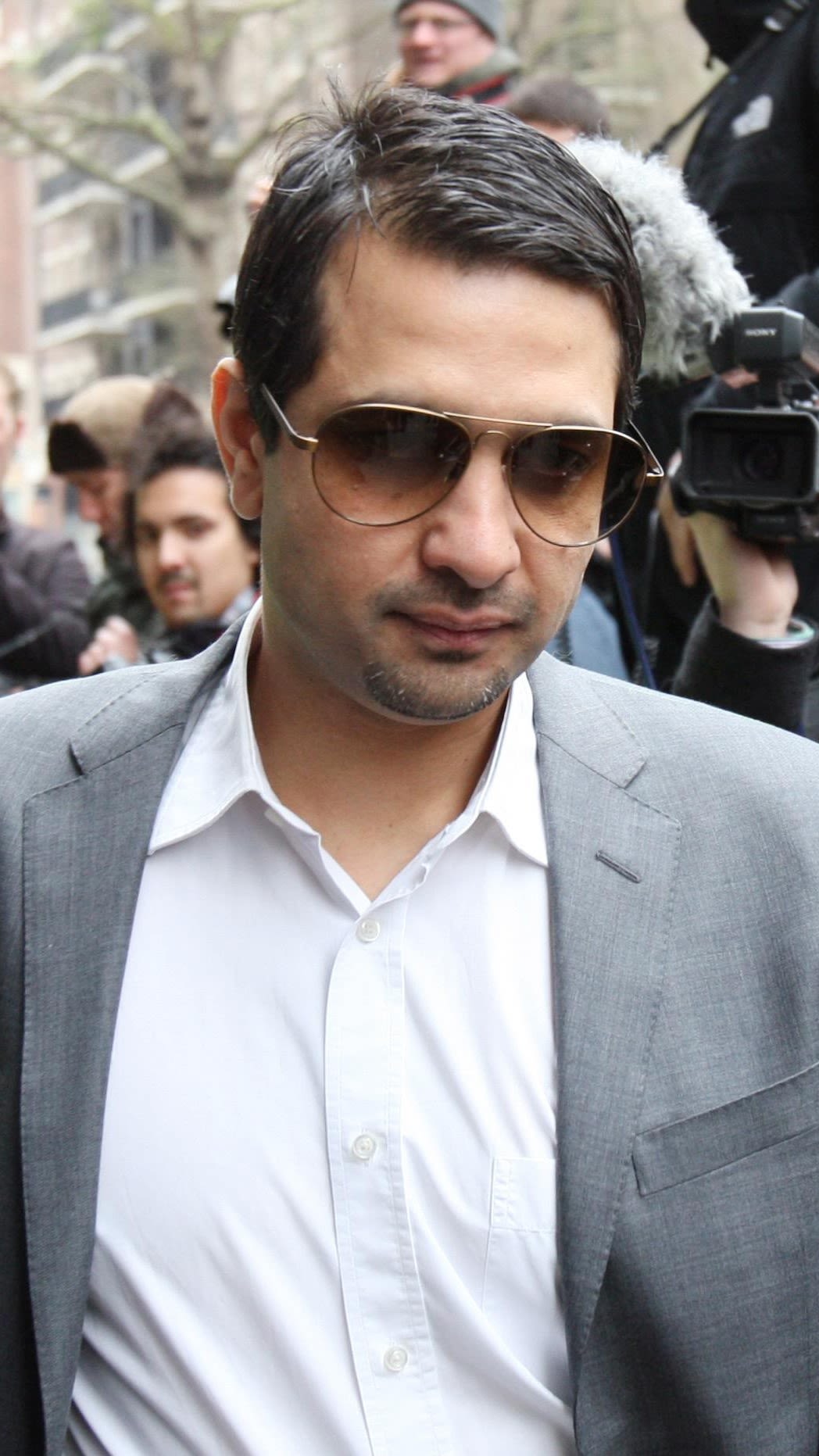
Mazher Majeed, the fixer.
Mazher Majeed, the fixer.

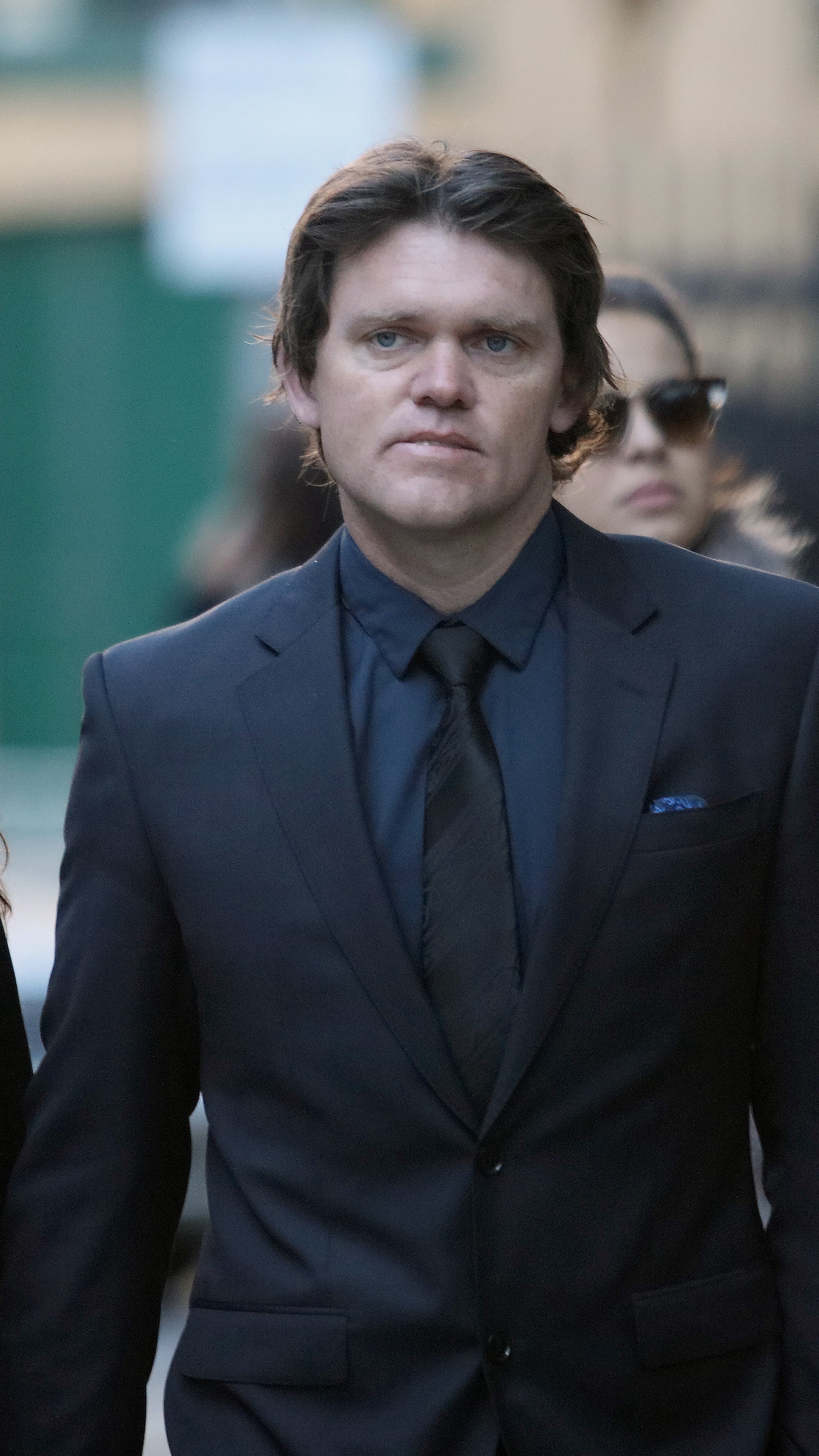
Lou Vincent, serving life bans.
Lou Vincent, serving life bans.
7. The Year of the Fox

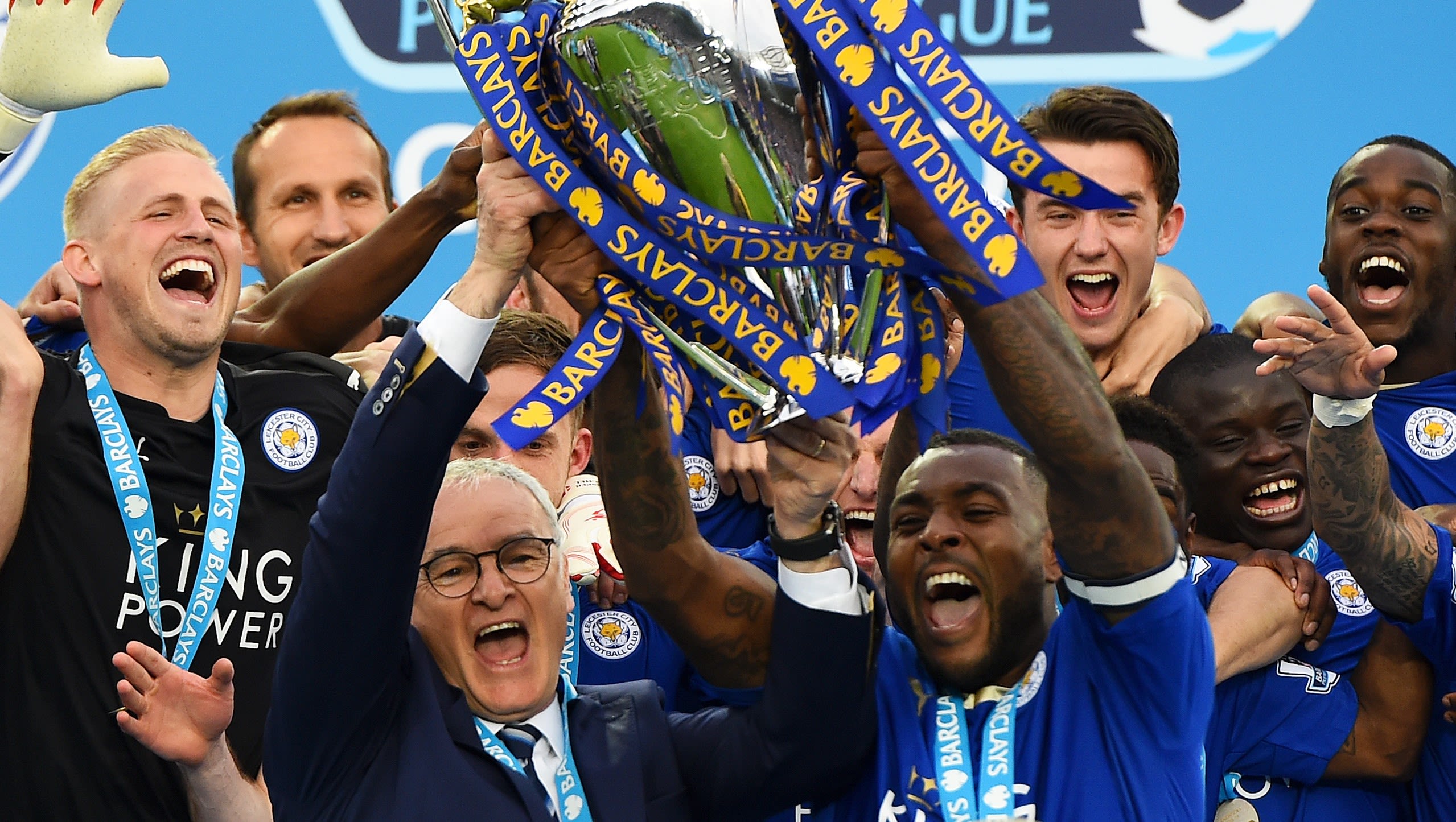
The world loves a plucky underdog story and no plucky underdog plucked quite as doggedly as Leicester City Football Club.
As we approach the end of the decade and Manchester City and their oil sheikh owners have reasserted their preeminence, challenged only it seems by the formerly slumbering giant Liverpool and their American billionaire owner, it feels like a lifetime ago that the Foxes did what many considered impossible.
But before we rewind to the 2015-16 season, we have to rewind to 2012-13 and drop a division into the Championship.
Leicester were engaged in an epic two-leg playoff semifinal against Watford, which would decide who went to Wembley to meet Crystal Palace for the right to play in the Premier League the following season. Champions Cardiff and runners-up Hull had been automatically promoted.
Leicester won the first leg at home 1-0. Deep into stoppage time at the second leg they were trailing 1-2. Four minutes of stoppage time had been signaled and yet the clock ticked over to 96 minutes when they were awarded a penalty.
Score and they were through; miss and they still had extra time. In scarcely believable scenes, Anthony Knockaert’s spot kick was parried away, an even easier follow-up was also blocked and 15 seconds later Watford had run up the other end and scored through Troy Deeney, who had started the season in jail.
“Deeeeeeeeeney! Do not scratch your eyes; you are really seeing the most extraordinary finish here,” screamed the bewildered commentator.

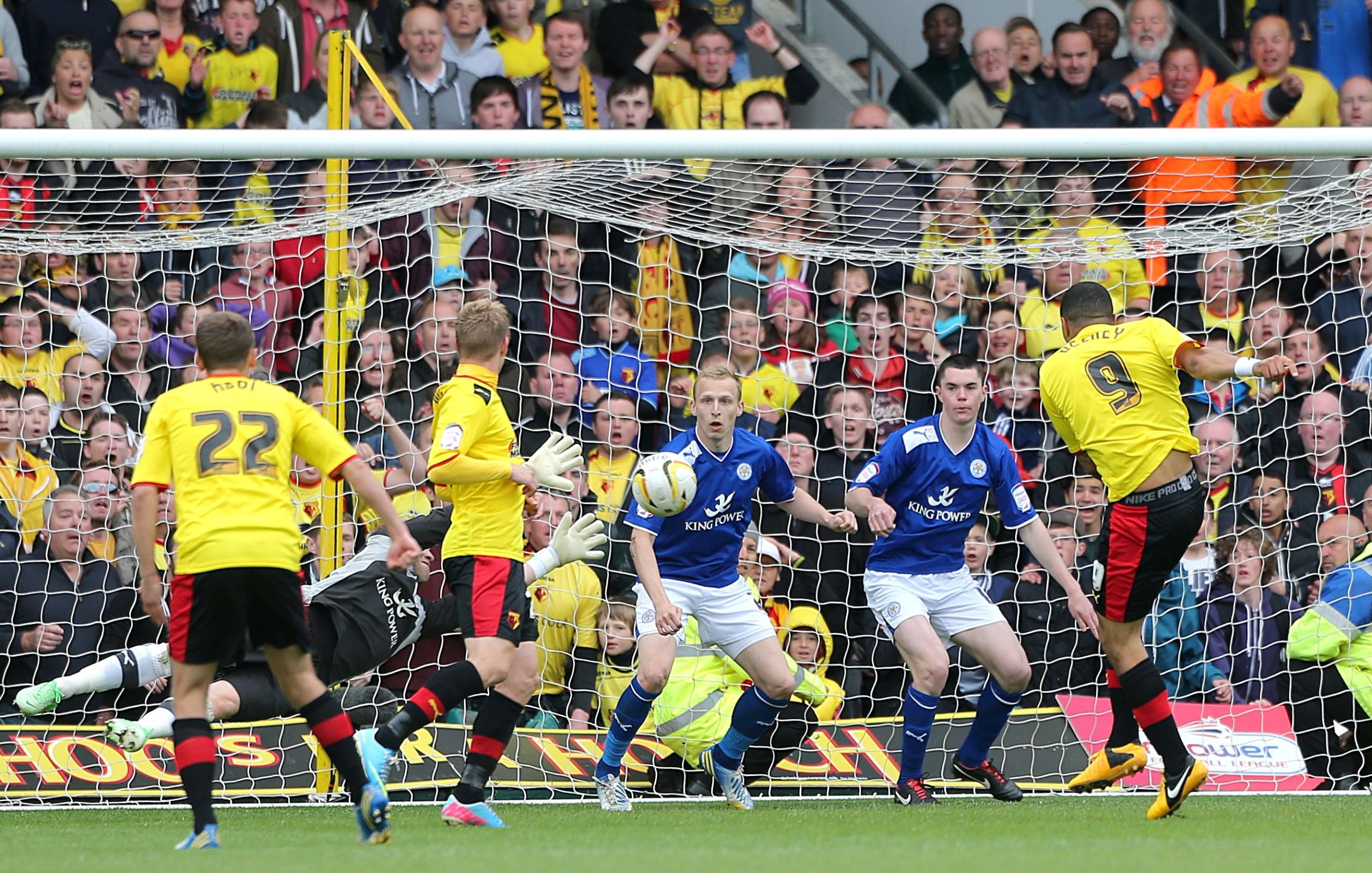
Heartbreak at the death for Leicester.
Heartbreak at the death for Leicester.
It was the sort of moment that could set clubs back years as they lose their best players to the Premier League. Leicester gave a hint of the fortitude that would become their stock in trade, however, by winning next season’s Championship in a canter.
The 2014-15 season was a reminder of Leicester’s place in the world as they spent 140 days rooted to the bottom of the Premier league table and looked a racing certainty to drop straight back to where they came from. With nine matches left they were still bottom but then something remarkable happened – they won seven of those nine games and rocketed from 20th to mid-table respectability at 14th.
In the off-season they parted ways with manager Nigel Pearson over “fundamental differences of perspective” with the board. Their choice of replacement was curious.
Italian Claudio Ranieri was known as The Tinkerman because of his constant shuffling of personnel and formations. The only constant in Ranieri’s recent past had been getting sacked by high-profile clubs.
Bookmakers reacted to his appointment by installing him as favourite to be the first Premier League manager ousted that season and placing Leicester at 5000-1 to win the title.

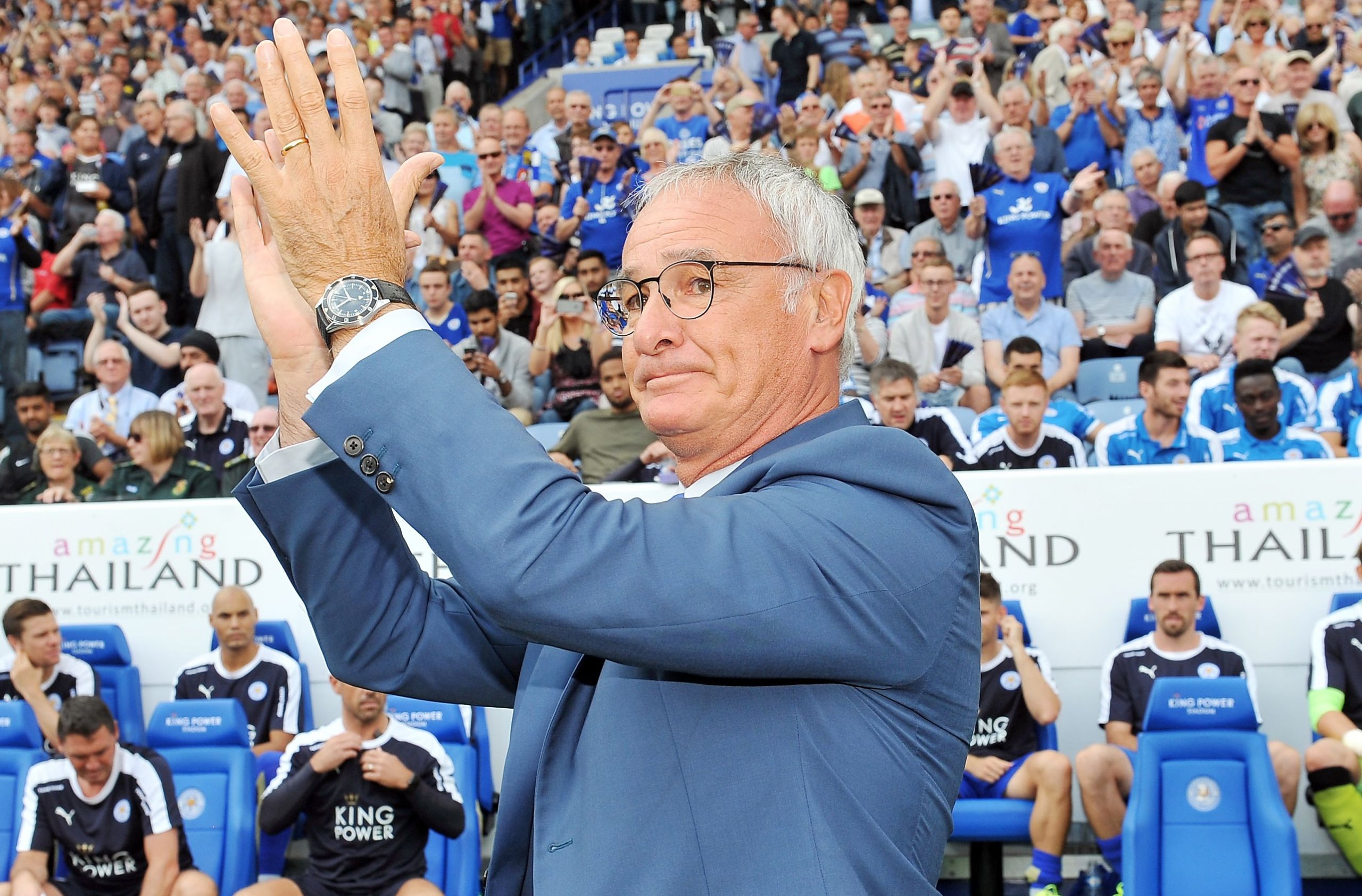
The Tinkerman, aka Claudio Ranieri.
The Tinkerman, aka Claudio Ranieri.
Ranieri was in remarkably good humour during the opening half of the season, gaining attention for taking his team out for pizza and champagne when they kept their first clean sheet. He told the press that he kept his side motivated at training with an imaginary bell, which he demonstrated. “Dilly-ding, dilly-dong,” became an unlikely footballing catchphrase.
Leicester led the league at Christmas but everybody, yes everybody, knew order would be restored in the final four months of the season. Even as April approached and Leicester held a handy lead over Tottenham Hotspur, pundits were bracing for the fall.
This was an unusual year, however. Most of the so-called “big” clubs were having rebuilding or just plain bad years. Chelsea finished 10th, Liverpool eighth and the two Manchester giants, United and City, were fighting it out for fourth and fifth.
Only North London rivals Tottenham and Arsenal were in the race, and neither of them was noted for their consistency.
There was no dramatic finale. Leicester cleared out and won by 10 points from Arsenal, but still people were rubbing their eyes and wondering what just happened. In some ways it actually minimised what a great team Leicester had improbably built.
Jamie Vardy and Riyad Mahrez would contribute 41 goals between them, easily the most prolific duo in the league. At the other end Kasper Schmeichel kept 15 clean sheets, behind only the 16 of Arsenal’s Petr Cech. N’Golo Kante was recognised as the best defensive midfielder in the league and Danny Drinkwater was in career-best form. Wes Morgan was an inspirational captain.


Jamie Vardy was a goalscoring machine.
Jamie Vardy was a goalscoring machine.
You should never ask for a sequel, the following season Leicester finished 12th and Ranieri was unceremoniously sacked midway through the season. Of those players mentioned above, Mahrez, Kante and Drinkwater have all been sold to richer clubs.
The fall was predictable in contrast to the wildly unpredictable rise.
(And look out everybody, at the time of writing Leicester were second on the table and poised for another fairytale.)
“It’s certainly the biggest and best story I have ever seen in all my time in sport,” said England, Blackburn and Newcastle legend Alan Shearer.
We’re not sure about that, but it’s certainly one of the top 10 stories of the decade.
8. #MeToo Comes
After Nassar

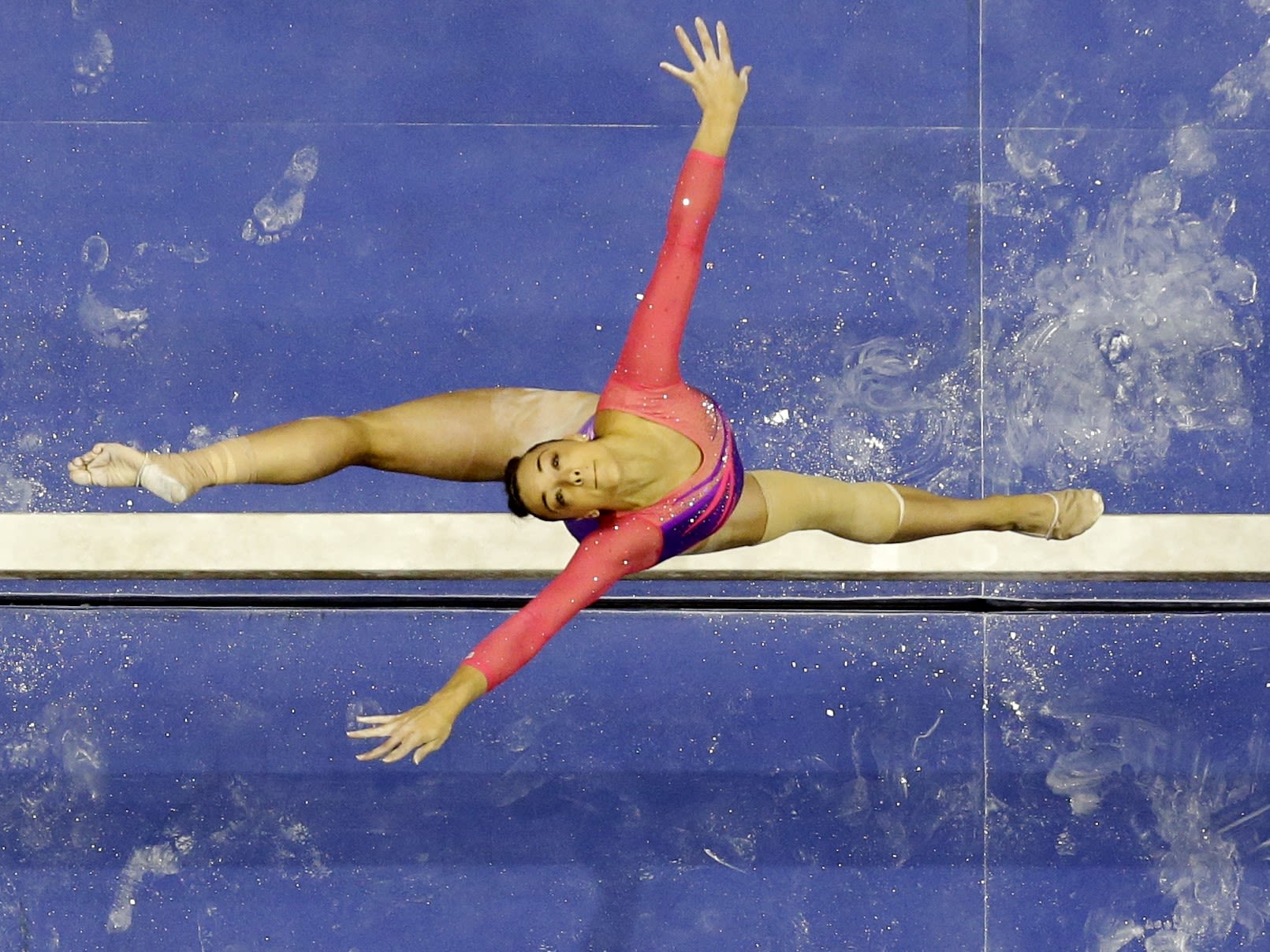
The unmasking of serial rapist and child abuser Larry Nassar exposed the toxic heart of USA Gymnastics, but it was ultimately a story that was as empowering as it was grotesque.
It was a story where women took back the narrative not just as victims of Nassar – though more than 250 were certainly that – but of his tormentor. In the end it was him sniveling and crying in the dock as he contemplated the rest of his life behind bars.
It was the #MeToo movement coming to sport. Women were being heard and more than that, they were being believed.

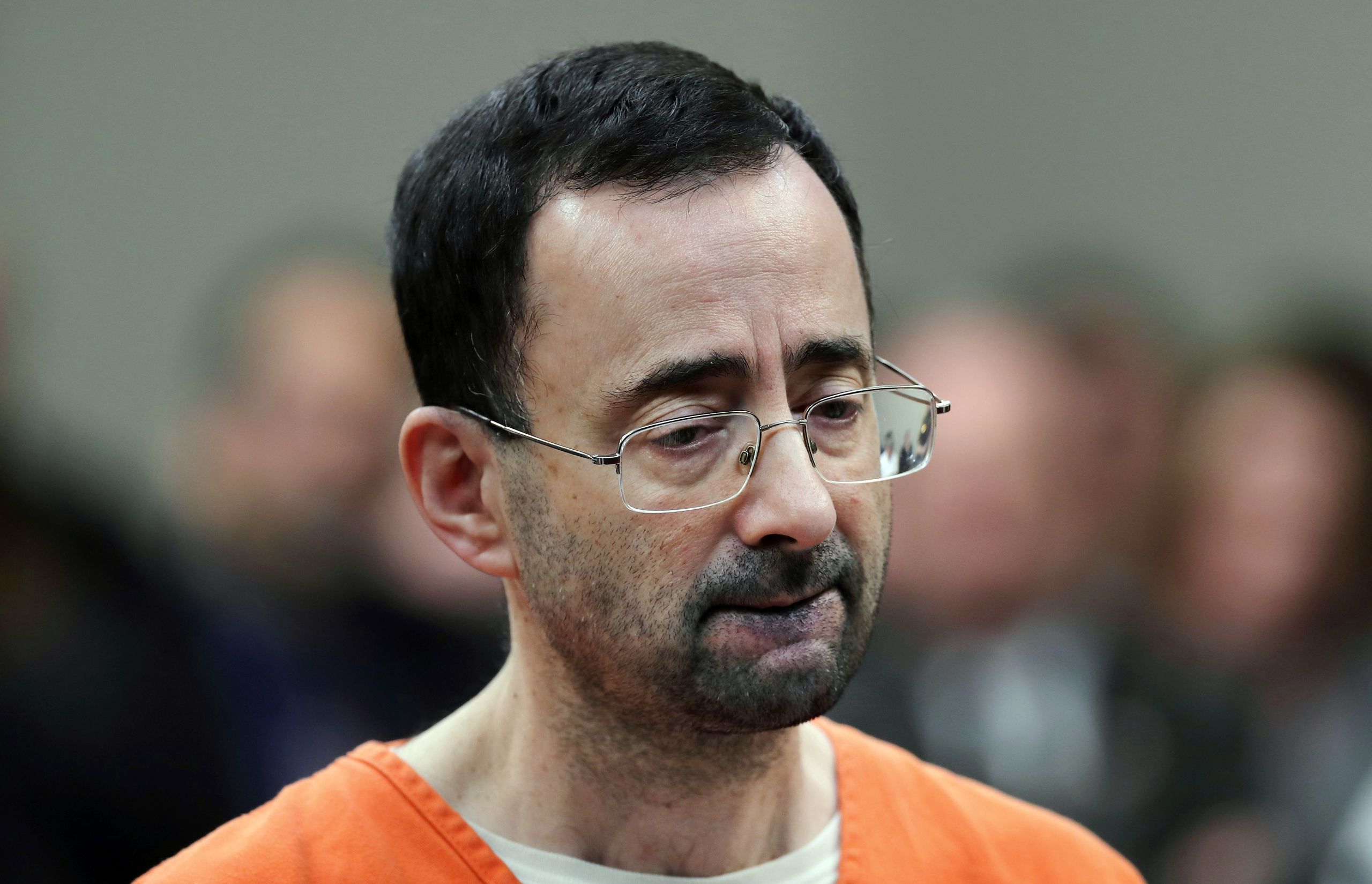
The despicable Larry Nassar.
The despicable Larry Nassar.
In the case of Nassar, for a long time girls either weren’t heard or they weren’t believed. This tragic dereliction of duty by both law enforcement agencies and his employers empowered the high-profile team doctor, who had prominent roles in USA Gymnastics and Michigan State University, to keep offending.
The bare facts are these.
Since the scandal broke in 2016, more than 265 women have accused Nasser of sexually assaulting them. They include Olympic champions Aly Raisman and Simone Biles, the latter widely considered the greatest gymnast of all time.
In July 2017, Nassar pleaded guilty to federal child pornography charges, and was sentenced to 60 years in prison on December 7, 2017. On November 22, 2017, he pleaded guilty to seven charges of first-degree sexual assault and entered another guilty plea a week later to three additional charges of sexual assault. On January 24, 2018, Nassar was sentenced to an additional 40 to 175 years in prison, set to run after Nassar serves the 60-year federal prison sentence for child pornography. On February 5, 2018, Nassar received another 40 to 125 years.
He will die in prison. Few, if any, will shed tears when he does.
(Warning: the following paragraphs contain descriptions of sexual abuse.)
In addition to his work as US Gymnastics team doctor, where he was first employed in 1986, Nasser ran a clinic and gymnastics club at Michigan State University, where he was a faculty member. It was only 2015 when Nassar was fired by US Gymnastics.
The scale and brazenness of his crimes made for sobering reading.
The majority of Nassar’s crimes occurred during medical examinations, where he would fondle the athletes’ breasts and insert his fingers into gymnasts’ vaginas and anuses under the pretence of performing legitimate medical procedures. The victims were minors and on occasions, a parent would be in the room.
If the story started and ended with the revolting Nasser, it would be bad enough. What was so much worse was that it peeled off a scab in the sport and the pus just kept on oozing.
It was revealed there were lists of gymnastics coaches who had been permanently banned for sexual abuse. They included some of the biggest names in coaching.
It was discovered that USAG routinely dismissed allegations of sexual abuse against coaches as “hearsay”. In the case of Marvin Sharp, he was named USAG coach in 2010 and despite well-founded allegations of abuse, the organisation waited four years before reporting him to police. Sharp was charged with three counts of child molestation and four counts of sexual misconduct with a minor in 2015 and committed suicide in prison.
The story of abuse in gymnastics was unrelentingly dark, but the #MeToo movement and the bravery of women like Maggie Nichols, the first gymnast to report Nassar, and Rachael Denhollander, the first to go public with her accusations, brought the horror into the public spotlight.

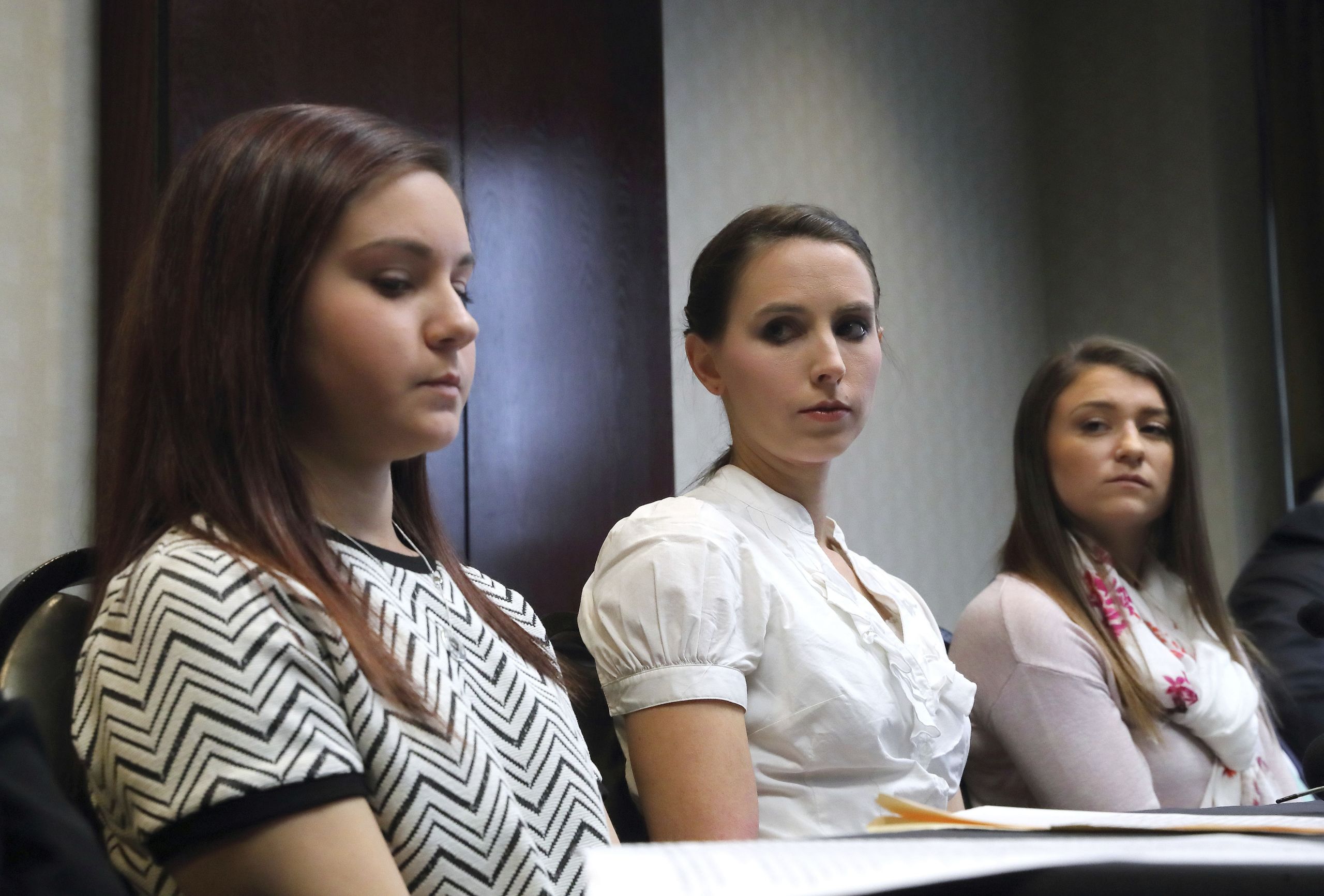
Kaylee Lorincz, from left, Rachael Denhollander and Lindsey Lemke, all victims of Dr. Larry Nassar.
Kaylee Lorincz, from left, Rachael Denhollander and Lindsey Lemke, all victims of Dr. Larry Nassar.
It might be too early for such sweeping statements, but you can only hope women will never feel so powerless in these sorts of situations again.
9. Athletes Take a Knee
One of the more curious cultural dynamics that emerged in the 20th century was that while those in most branches of the arts had no problem using their vast platforms to promote or denigrate political causes, athletes by and large were encouraged not to do so.
Political statements were a rarity and often frowned upon.
For years Americans refused to accept Muhammad Ali’s conversion to Islam and his anti-military rhetoric.
When Tommie Smith and John Carlos raised gloved fists – widely deemed to be a symbol of solidarity with the Black Panthers – on the podium at the Mexico City Olympics they were ostracised by administrators and the American public.
New Zealand athletes who took a stand against sporting contact with apartheid South Africa, like All Black captain Graham Mourie, often did so in couched terms deliberately aimed at being as apolitical as possible. The flanker, in fact, would not talk about his decision, saying at the time: “I don’t intend on imposing my view on anyone. It’s my decision, and that’s all.”
Mourie was simply expressing what most athletes have been conditioned to feel: that their opinions on matters outside of sport were essentially meaningless. It’s now known as the shut-up-and-dribble phenomenon.
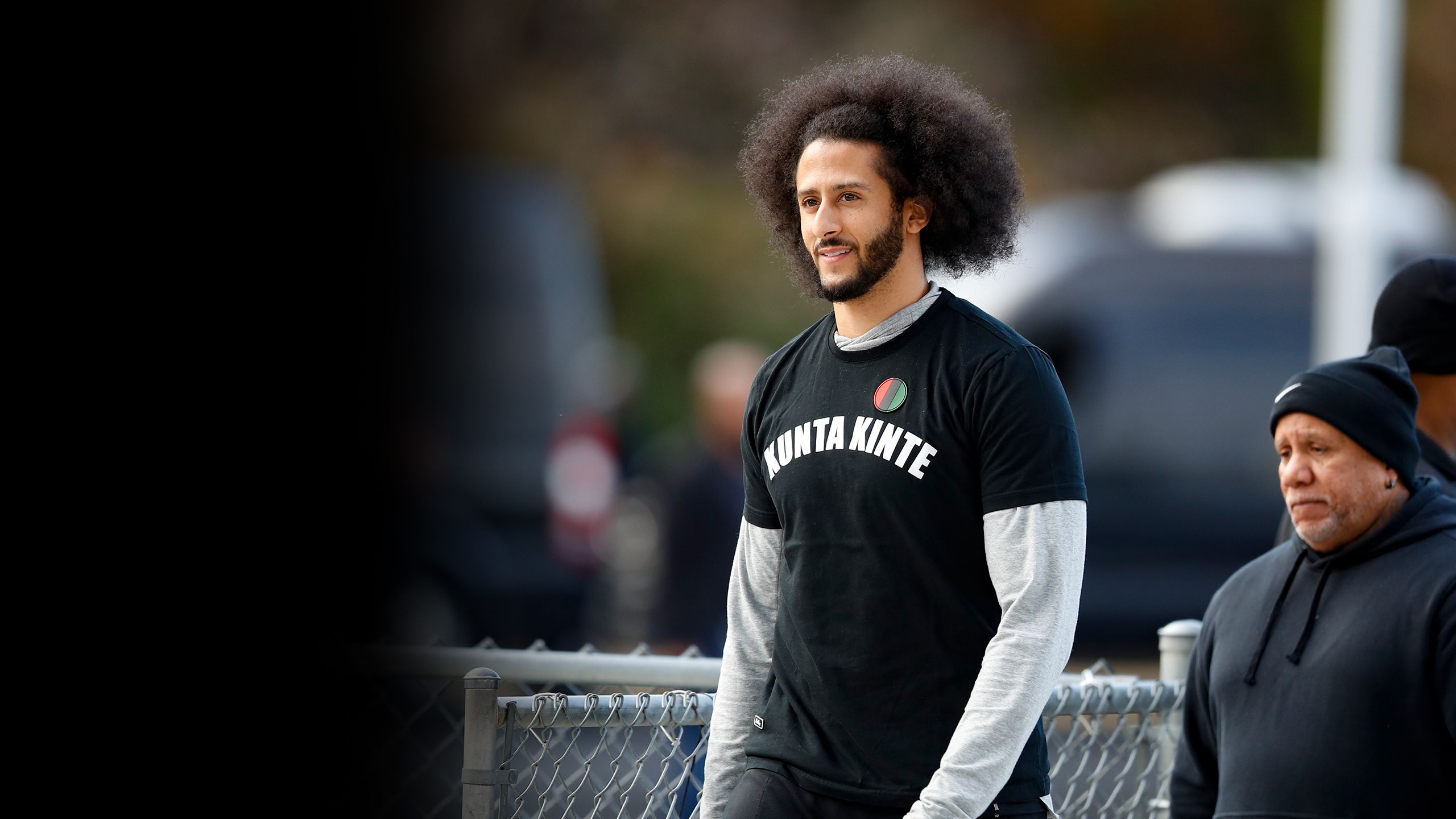
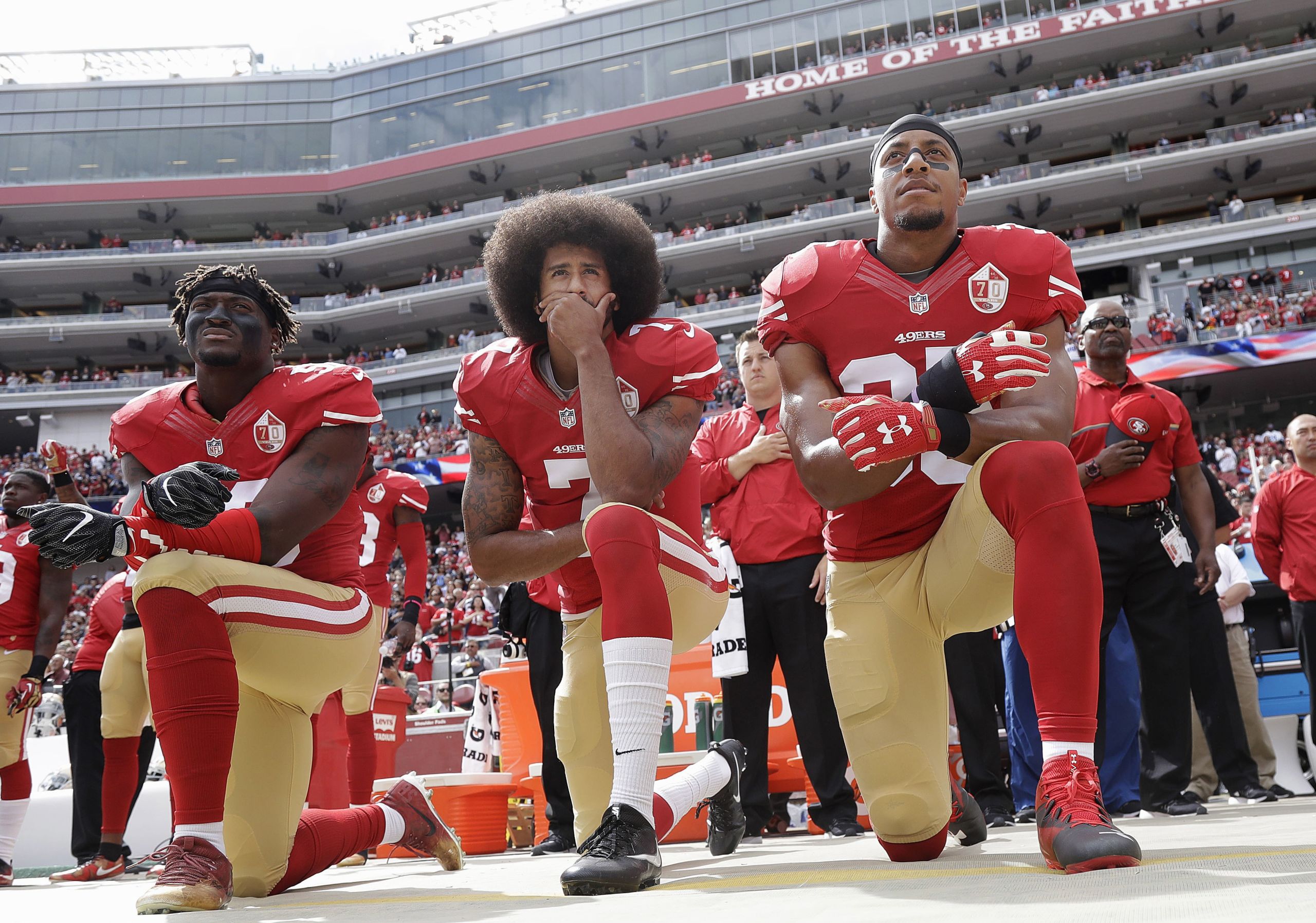
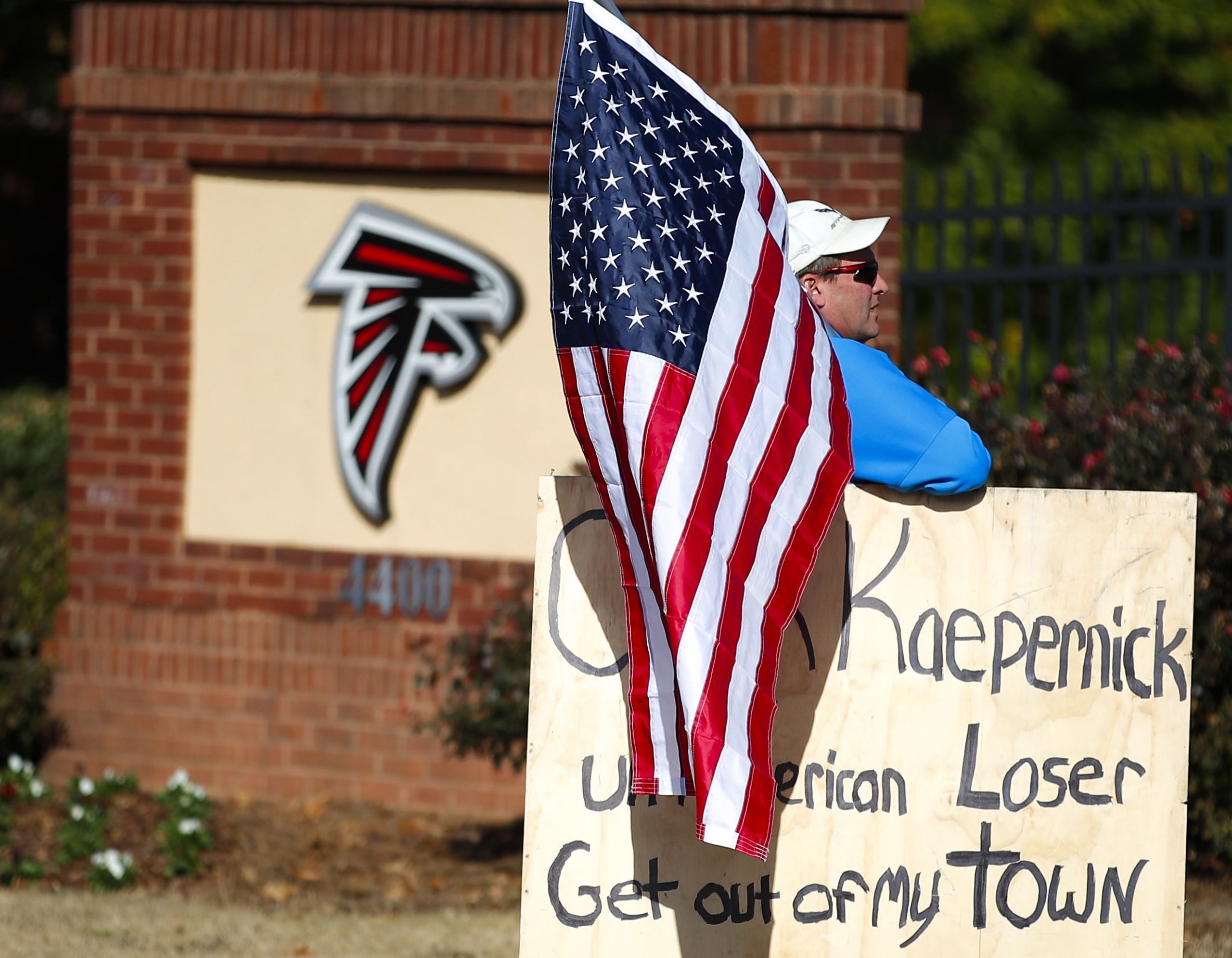
So when Colin Kaepernick in 2016 first sat and then took a knee during the playing of the national anthem ahead of NFL matches, it sparked a fire of hot takes and bluster from people no more qualified than him to have an opinion.
The San Francisco 49ers quarterback used the simple gesture to protest racial injustice and what he saw as systemic oppression in the country in the wake of police shootings of innocent black men.
The reaction was polarising. Some recognised the point he was making; others chose to misrepresent his actions as disrespectful to the military. One of those who chose to ignore the message and attack the messenger was President Donald Trump, who in 2017 said NFL owners should fire players who refused to stand for the anthem.
By then Kaepernick’s protest had gone viral and Trump’s attack only gave it more impetus.
Athletes across the NFL and NBA in particular rallied to Kaepernick’s cause as the conservative punditry fumed.
The NFL wasn’t particularly happy either as they experienced an 8 per cent viewership decline, much of which was pinned to the nascent protest movement.
They got their revenge.
At the end of 2016 Kaepernick became a free agent. A quarterback with his skillset that had previously led a team to a Super Bowl would normally expect to pick up a big contract. He went unsigned.
In November 2017, he filed a grievance against the NFL and its owners, accusing them of colluding to keep him out of the league. He would later reach a confidential settlement and recently conducted a farcical workout for prospective teams looking for a quarterback.
There were no takers.
His wider influence will be a story better told by history. Nike has marketed him as a modern-day athlete-martyr, with the slogan: “Believe in something even if it means sacrificing everything.”
Others might be less convinced but there is certainly an argument to be made that Kaepernick has paved the way for a more socially connected athlete.
On the New Zealand scene, All Blacks Brad Weber and TJ Perenara have spoken out strongly against homophobia after Israel Folau’s Old Testament social media offerings.
RELATED READING: Weber a hero
To generalise, Kaepernick has become cause celebre for the liberal chattering classes and the enfant terrible of conservative jingoists… and he’s still not playing in the NFL.




10. Out of the Rough

Okay, so we’re going to cheat a little here. Just a teensy-weensy bit. The text messages that alerted wife Elin Nordegren to Woods’ adultery, and the subsequent car crash that forced the whole saga public, happened in late-November 2009.
The dam broke soon after and tales of Woods’ womanising and other unsavoury behaviour flooded the market.
Woods was forced into all the usual mea culpas, which he performed with something short of grace, though this quote rang true: “I thought I could get away with whatever I wanted to. I felt that I had worked hard my entire life and deserved to enjoy all the temptations around me. I felt I was entitled. Thanks to money and fame, I didn't have to go far to find them. I was wrong. I was foolish.”
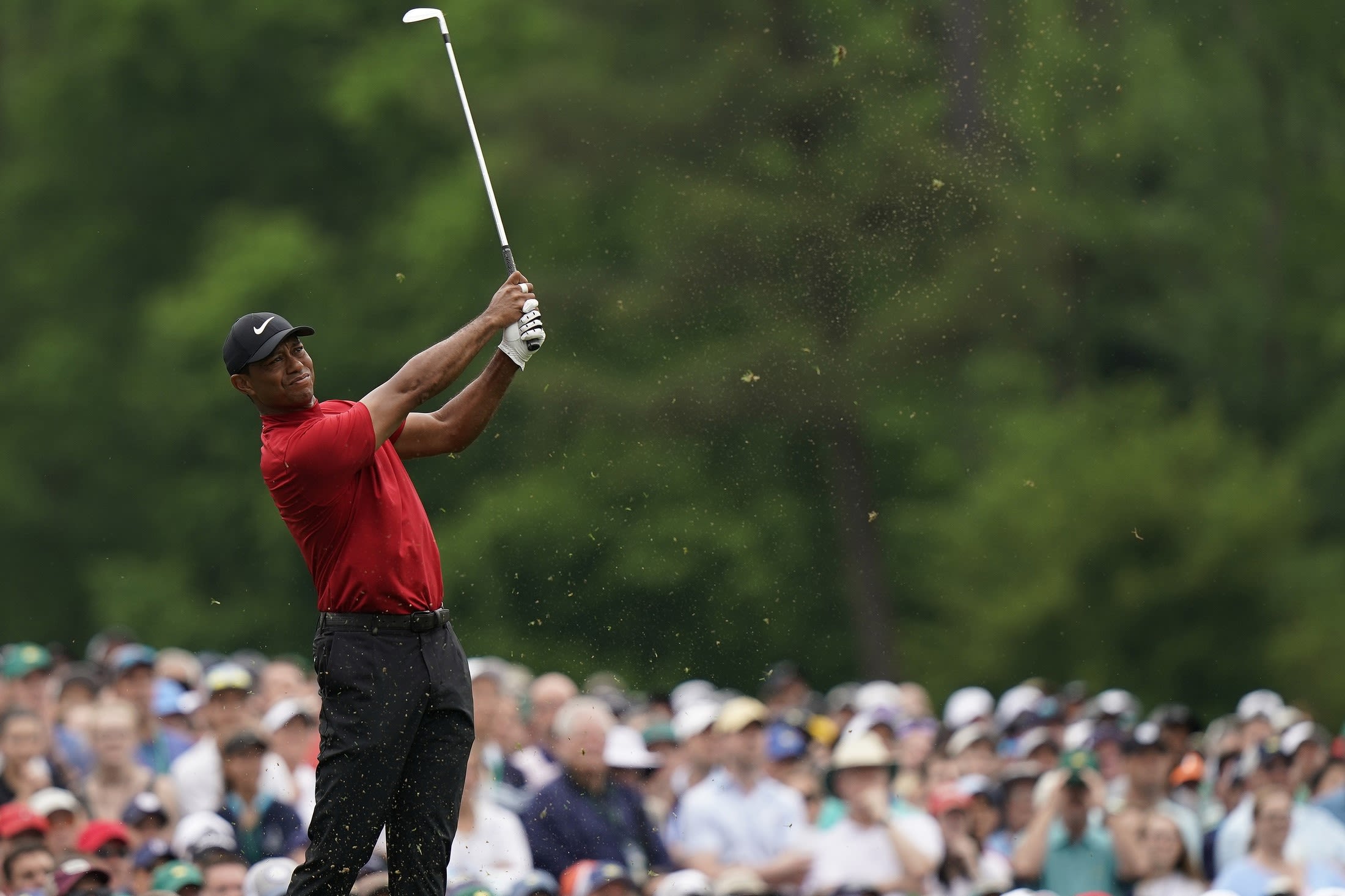
The real story here, however, beyond the usual public appetite for prurience, was what happened to Woods’ golf, what happened to the sport, and how for one magical week in April this year, all the issues of the past decade seemed to be rinsed away.
It is difficult to think of an individual athlete who had as much impact on his or her sport than Woods and golf. He took it from a sport for the country club elite to the front page of newspapers and magazines. Forbes once estimated his brand value to be around $100 million per year.
Golf became appointment viewing from the time he won his first US Masters as a long-bombing, precociously talented 21 year old. By the time 2009 rolled around he had won 14 majors including, preposterously, the 2008 US Open on a broken leg, and it was seen as just a matter of time before he overhauled Jack Nicklaus’ record of 18.
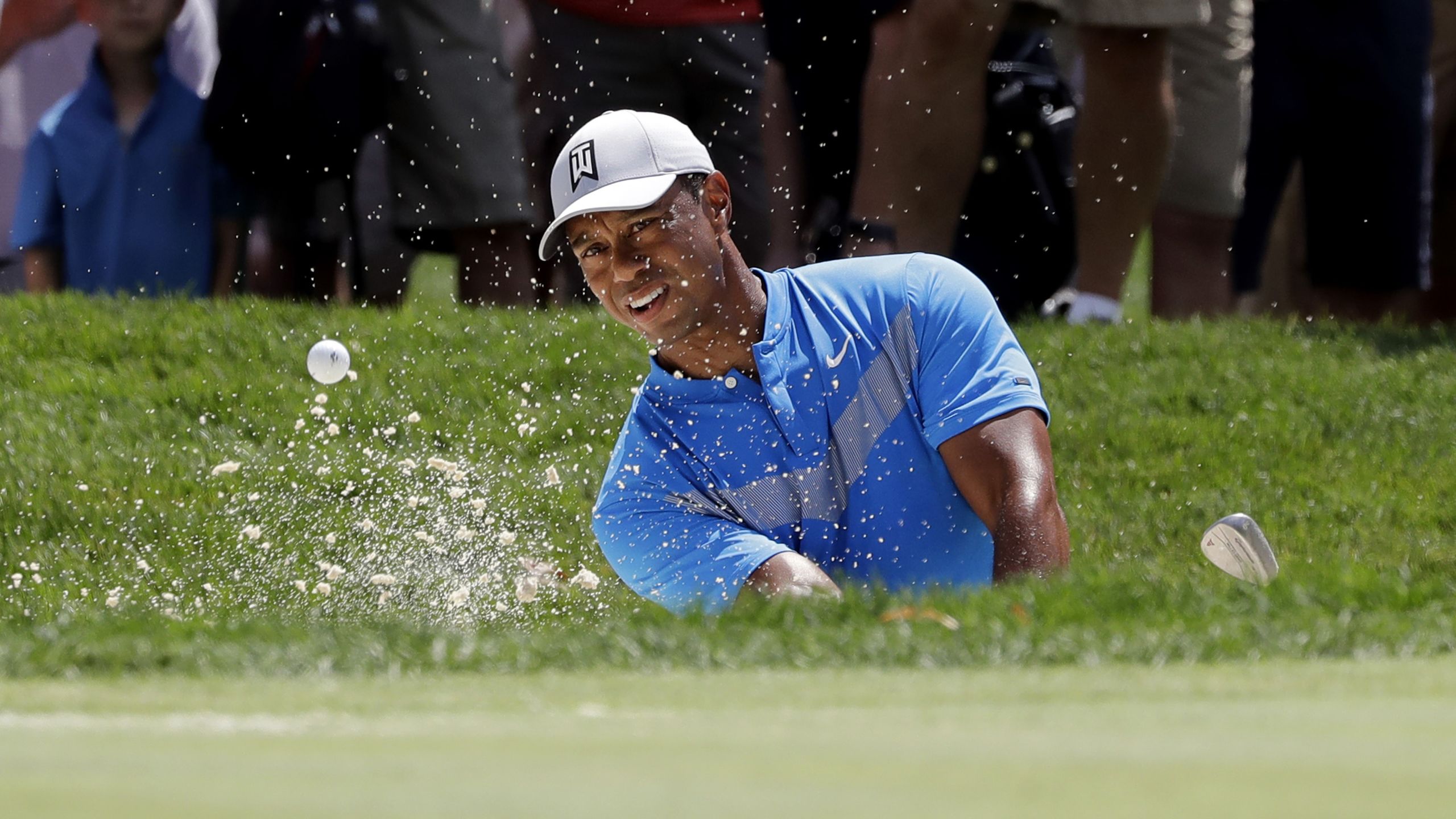
He changed the sport with his length off the tee. Some courses that had remained untouched for decades, like Augusta National, home of the Masters, were Tiger-proofed to stop them becoming irrelevant.

He changed the sport with the colour of his skin. Although he was never political or motivated by race – he was part American-American, part Asian – suddenly the game appeared more attractive to black youth.
After the accident, Woods stopped winning and so did the sport.
It was soon obvious that golf’s ratings were actually Woods’ ratings. The 2014 Masters’ ratings plummeted to their lowest level since 1993 when Woods missed it through injury, and that same year’s US Open was the lowest ratings recorded according to Nielsen figures.
Passes for the tournaments on resale sites were going at half the prices they were when Tiger was playing. The disparity was stark and provided ample evidence as to why golf’s administrators were prepared to forgive Tiger his sins if he could get himself fit again.
Woods still had a way to fall before he started climbing again. In 2017, he was arrested near his home at 3am for driving under the influence of alcohol or drugs after being found asleep in his car in a traffic lane with the engine running.

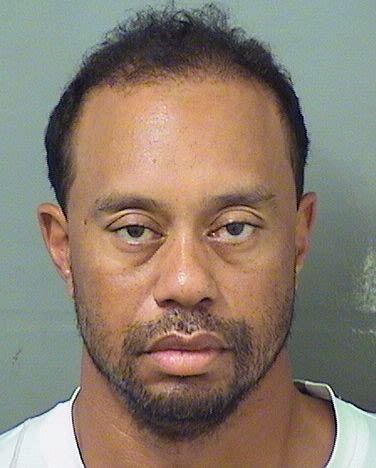
He confessed to mixing prescription drugs and it was later confirmed that he had no alcohol in his system. Still, the bleary-eyed mug shot that found its way on to bulletins seemed to tell a thousand words in the fall-of-a-hero fable.
That’s no way to end a story. Or a decade.
There’s a twist in this tale and it is one of optimism and redemption.
Woods came back. He had multiple knee and back surgeries. With it he remodelled his game.
The time away from golf saw him reconnect with his family. He and Nordegren divorced but he has taken an active role in the raising of his two children Sam and Charlie. He dated superstar ski racer Lindsey Vonn for a while but now seems to be in a stable, low-profile relationship with Erica Herman.
He is, by multiple reports, a far more relaxed and engaging character on and off the course.
And he’s winning again. This is probably the most implausible part of the Woods story. A decade after his private life came crashing down, Tiger won the Masters, sparking scenes not seen greenside since, well, Woods was in his pomp.
Not a bad way to end a tumultuous decade.
Not a bad way at all.