
Words: David Fisher
Visuals: Mike Scott
Editor: Andrew Laxon
Interactive: Chris Knox
Design: Paul Slater


As an Act Party staffer, van Velden, 27, is credited with shepherding the End of Life Choice Bill through to a referendum question on this year’s ballot paper.


And The Opportunities Party candidate Gray, 38, has spent 18 years campaigning for legalisation of cannabis, which is also up for public vote this year.
Since Parliament first met in 1854, when there were 37 MPs, it has been the centre of power in New Zealand.
Van Velden has seen how that power is exercised up close, and now she wants to be among those elected few.
“I want to be here because I've experienced in a very minor way, what it is like to actually create a shift and to change New Zealand for the better,” she says.
“And I think there are many other aspects where I can actually do that. I'm not here to create my own big policy about what I believe the world should look like. I'm wanting to take away a lot of restrictions on people and allow them to do that for themselves.”

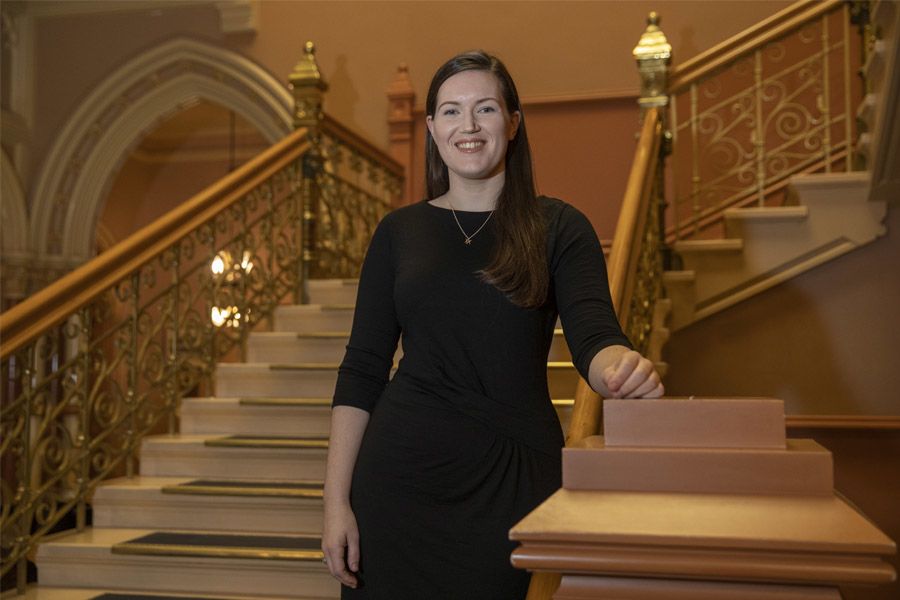
Brooke van Velden at Parliament. Photo / Michael Craig
Brooke van Velden at Parliament. Photo / Michael Craig
Van Velden first stood for Parliament in 2017 in the Auckland Central electorate. This time, as Act Party deputy leader, her campaign has taken her national.
It’s an origin story well-told - once a Green supporter, van Velden came across Act while studying economics and international trade at university.
That might have changed her vote but what brought her into the party was being in a Mt Eden bar on that same evening it was hosting an Act Party function. A “geeky” conversation with Seymour about energy and electricity markets led to an invitation to other events, followed by membership and then an invitation to stand as a candidate in Auckland Central.

Of 29,376 votes cast in 2017, van Velden secured 151 but went to Parliament anyway as a staff member in the Act Party office. She had one job - getting euthanisia legislation across the line.
She was 24 at the time, dropped right into the machinery of government where she scaled the sharp learning curve of law marking and the facts and politics of euthanasia.
There were 39,000 people and groups that put forward submissions. It was there van Velden disappeared into the detail, learning what the issue meant to those against and for.
But it was on the road at 27 public meetings across the country where the politics became real.
They still clearly affect van Velden. “Especially this one woman. She was first on the scene to a suicide and she found out later that that person had a terminal illness and she was still coming to grips with that even now.
“Also people who … sat with their husband at the bedside and they have actively asked to die because they're in so much pain and they can't take pain medication. They've said to me that their only other choice was to commit suicide and it was brutal. Those memories will be with them forever.”
Van Velden immersed herself in the humanity of it - such a contrast between someone coming into the fullness of life and the experiences of those at the very end.

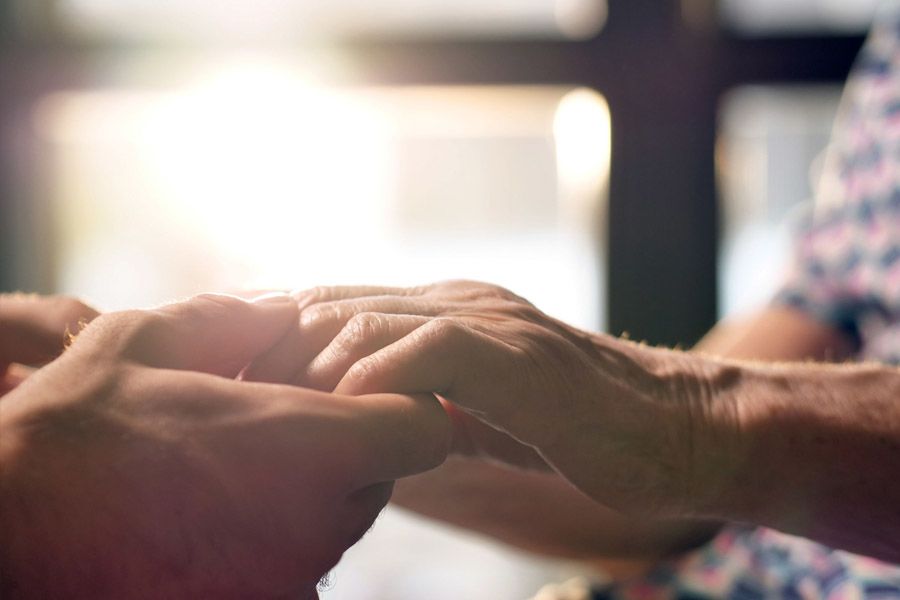
“They have so much anxiety and so much fear for what the last few days and months of their lives will be. And I couldn't help but take all of that onboard and take it really personally.”
Van Velden felt she owed it to those people who had shared stories “and so I set out to do the best job I could do and make sure that this was a safe piece of legislation”.
Van Velden didn’t have a personal experience of someone seeking assisted dying and initially came at the issue from a political “liberal angle” emphasising freedom of choice.
“The ultimate choice is having autonomy over your own body and deciding what to be able to do with it, even at the point of death.
“Actually talking to people who would be affected by this law, it hit home and it changed my whole perspective on how much impact our laws can actually have on people's lives and why we have to get them right.”

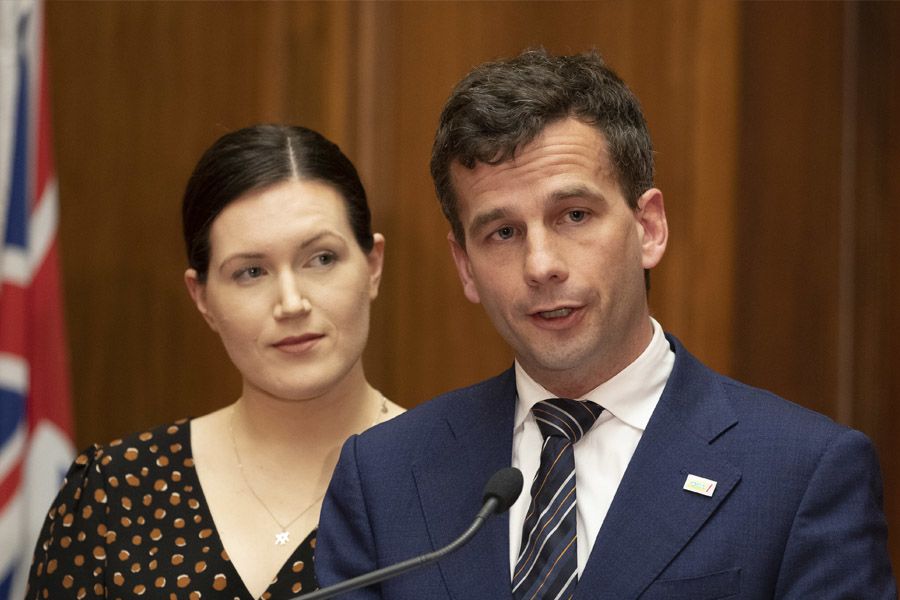
Act Party leader David Seymour and deputy leader Brooke van Velden. Photo / Mark Mitchell
Act Party leader David Seymour and deputy leader Brooke van Velden. Photo / Mark Mitchell
Act’s problem was that Seymour, as a solitary MP, faced a tremendous struggle to get what van Velden calls “real change across Parliament”.
It meant van Velden became the motivator - the negotiator - who worked across Parliament to build a network of MPs in different parties who supported the principle, and then working with those people to find common ground.
The result was a law Parliament passed that would only become real if - as NZ First insisted - it found public support through a referendum.
It’s now out of her hands and with voters. All that knowledge and work has served its purpose, which brings the question - what next?

Mental health, she says. “It comes off the back of going around the country and hearing people's struggles. There's a lot of people that had never actually reached out for any form of help.”
She listened as they spoke. “There was so much untapped grief. Also this is an issue that my generation is actively wanting to talk about. We've seen a huge shift in being open about mental health struggles.”
Her generation, too, is also a focus. “It's anyone who is unable to afford a home and is worried about what that means for their long-term future.”

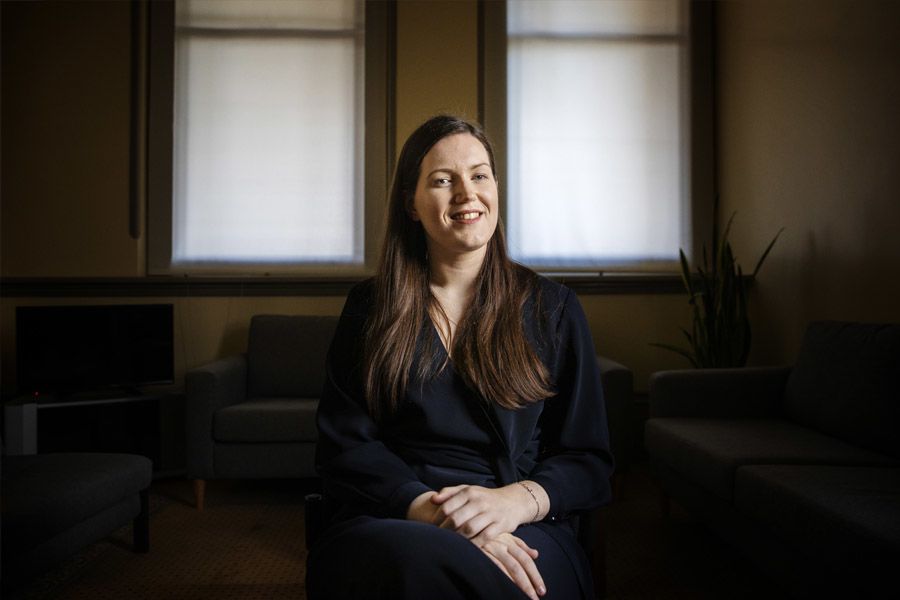
Photo / Michael Craig
Photo / Michael Craig
She’s met those who will not have children because they want the stability of home ownership and it's out of reach. “We're talking about disenfranchisement of an entire generation.”
Those same people don’t vote. “I do understand why they don't vote. I think it has to do with not actually feeling like you can have a buy-in to society.
“If you can't afford a home and you can't afford to have children, you're not necessarily caring about the long term educational prospects of the country, and you're not caring about housing affordability, even for the next generation.”
These are the same people who will carry the economic burden of Covid-19. She spoke of the unemployment rate and how it would rise, those who struggled to pay rent and mortgages, people losing their homes, what it would mean for families.
“If we don't get the framework right, for our recovery, this is going to have an ongoing effect for generations.”
His political awakening came as a teenager in the United States working in a shop selling hemp clothing, cannabis pipes and other weed-related products. It also stocked books on the politics of cannabis and prohibition.
“I was just trying to learn the history of why cannabis is illegal. Why are my human rights taken away the moment I choose to use cannabis?”
As Gray eloquently explains, the politics of cannabis are about preserving “powerful, oligarchical, industrial interests” that stretch back decades. He talks of “reefer madness”, actually the name of a much-lampooned film from 1936, funded by a Christian church, that painted a tale of moral collapse brought about by weed.
Gray, a self-described “hedonistic stoned teenager” had his “eyes opened to our political reality”.
This wasn’t some ephemeral moment. It has since consumed large chunks of Gray’s life, from emigrating to New Zealand and his study in botany.
He lived in a low-income neighbourhood, which allowed access to reduced-cost university education. He’d been trying to grow his own weed but “I didn't really know what I was doing”, so signed up for horticulture courses, eventually becoming a botanist.
“I was accidentally motivated to learn these important lessons that turned me into an active citizen. The thing I never learned in school is that like participating in civics and being an active citizen can actually be fun and cool.”

This was unfolding as freshly-aware Citizen Grey prepared to vote in his first election - the 2000 Bush v Gore contest that led to the Supreme Court and arguments over hanging chads. And it got worse. September 11 brought in the Patriot Act and “cannabis-smoking hippies were as legitimate a target for the Patriot Act police state as minorities”.
That was about the time he came across Green MP Nándor Tánczos, who came to Parliament as a practising Rastafari. That led Gray to the Tourism NZ marketing material and the compelling myth of 100% Pure.

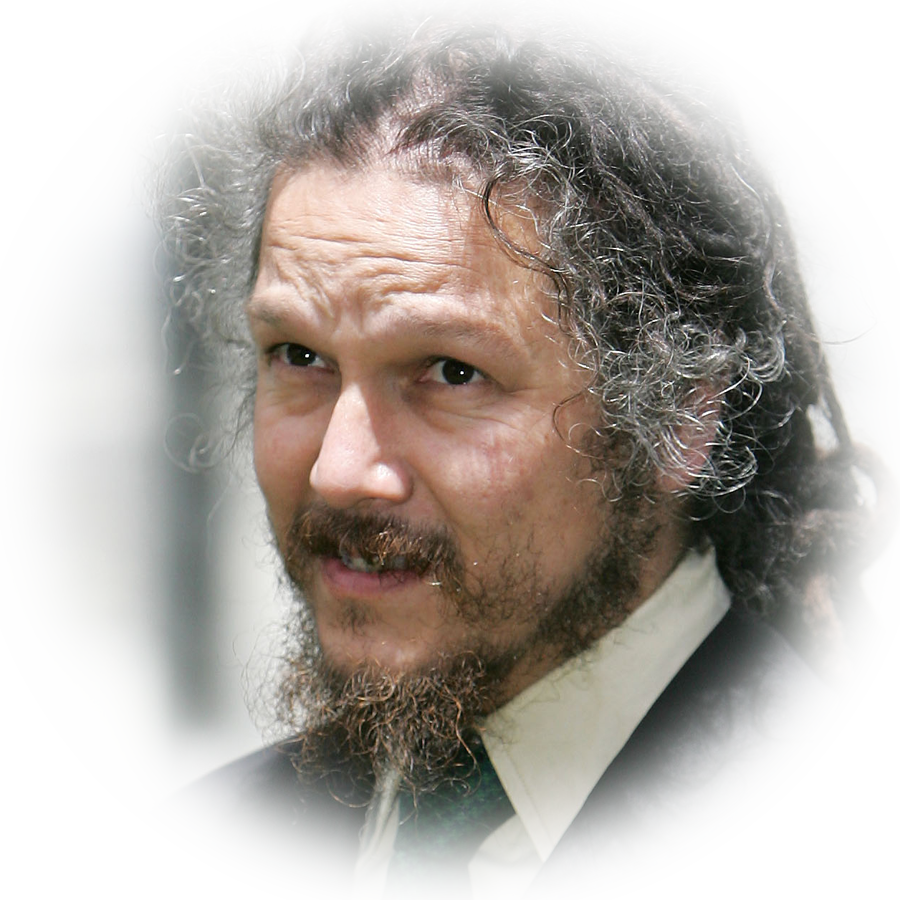
Green MP Nándor Tánczos. Photo / Tim Hales
Green MP Nándor Tánczos. Photo / Tim Hales
So Gray headed for the promised land. “If you had told me 20 years ago that cannabis is going to be legalised in America and New Zealand will still be handwringing over it... hindsight is 2020, right?
“New Zealand to me then looked like a place where someone that looked like me, someone that was a role model to me - a dreadlocked skateboarding Rastafari - could be in Parliament.”
Gray built a life in Dunedin - marriage and children - and found work lecturing at the University of Otago. That botany study worked out in many ways. He also became highly active pushing for legalisation, with years of involvement in the Aotearoa Legalise Cannabis Party.
The recent move to Wellington has been a revelation.
“You can spend 18 years in Dunedin banging your head against a brick wall and you can make a little bit of an influence but in Wellington you could just sort of trip over yourself and accidentally have a major influence.”
The ALCP never got close to MMP’s 5 per cent hurdle. Among other issues, there were basic problems in funding, logistics and organisation.
Then came The Opportunities Party in 2017. “They had a real policy written by public health experts. That was the synthesis of all best practice and not overly shameful about responsible adult cannabis use. They've taken it to the next level. They've got a real policy they're campaigning on. They have momentum, have money, have a real voice.”
Gray credits TOP’s activism on the issue for motivating the Green Party to once again engage with an issue he sees them down-playing since 2002.
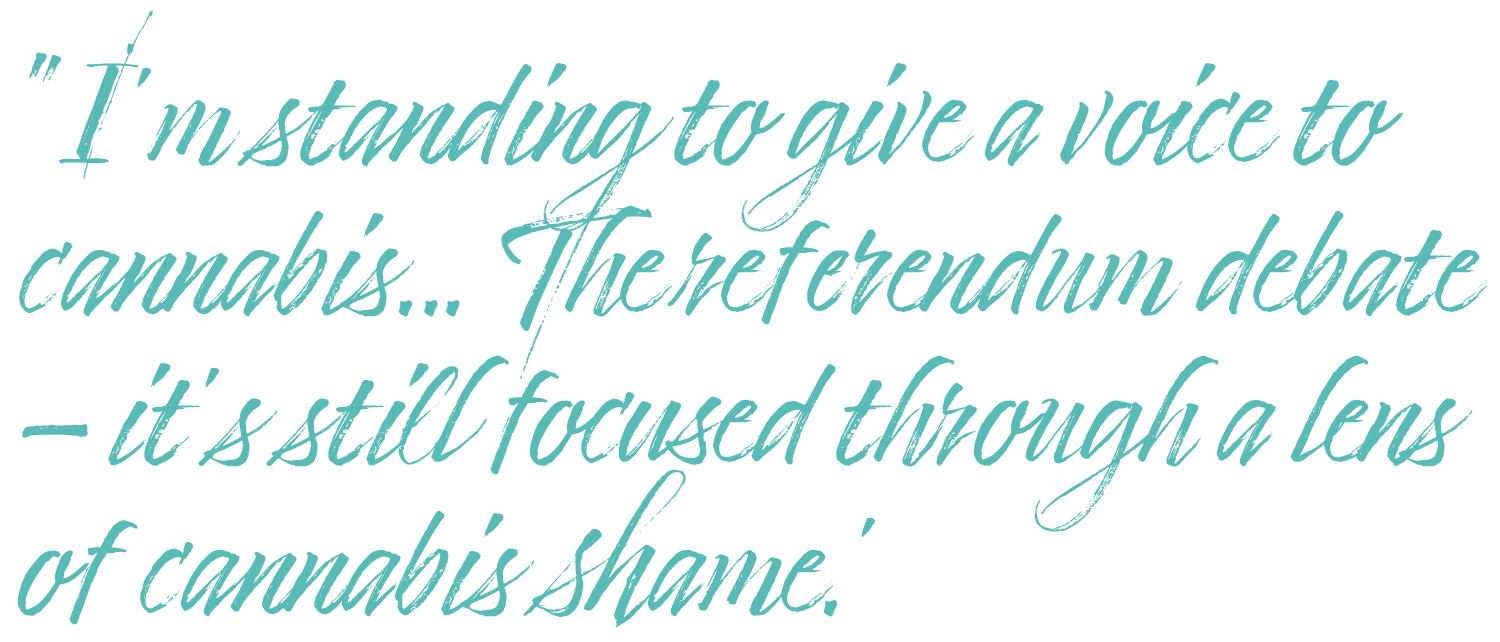
Gray finds discomfort with the referendum campaign which he sees as making an argument against the unequal outcomes of prohibition.
Sure, he says, it’s a great campaign targeted to “move the middle”. “But wouldn't it be a shame if we got through this whole referendum process, even if it was successful, and it's still taboo to say in New Zealand polite society that cannabis can be fun?
“It can be funny. It can be inspirational. You know, people that use it aren't degenerates. They're normal.”
He’s optimistic about the referendum, and especially so in a Covid-19 world.
“I think it makes people think about what is really important and the culture war and moralising is probably not one of the most important things when it comes to what we've all just been through as a country.
“Getting all bothered about whether somebody smokes cannabis in their own home responsibly seems a little bit trivial.”
 Built with Shorthand