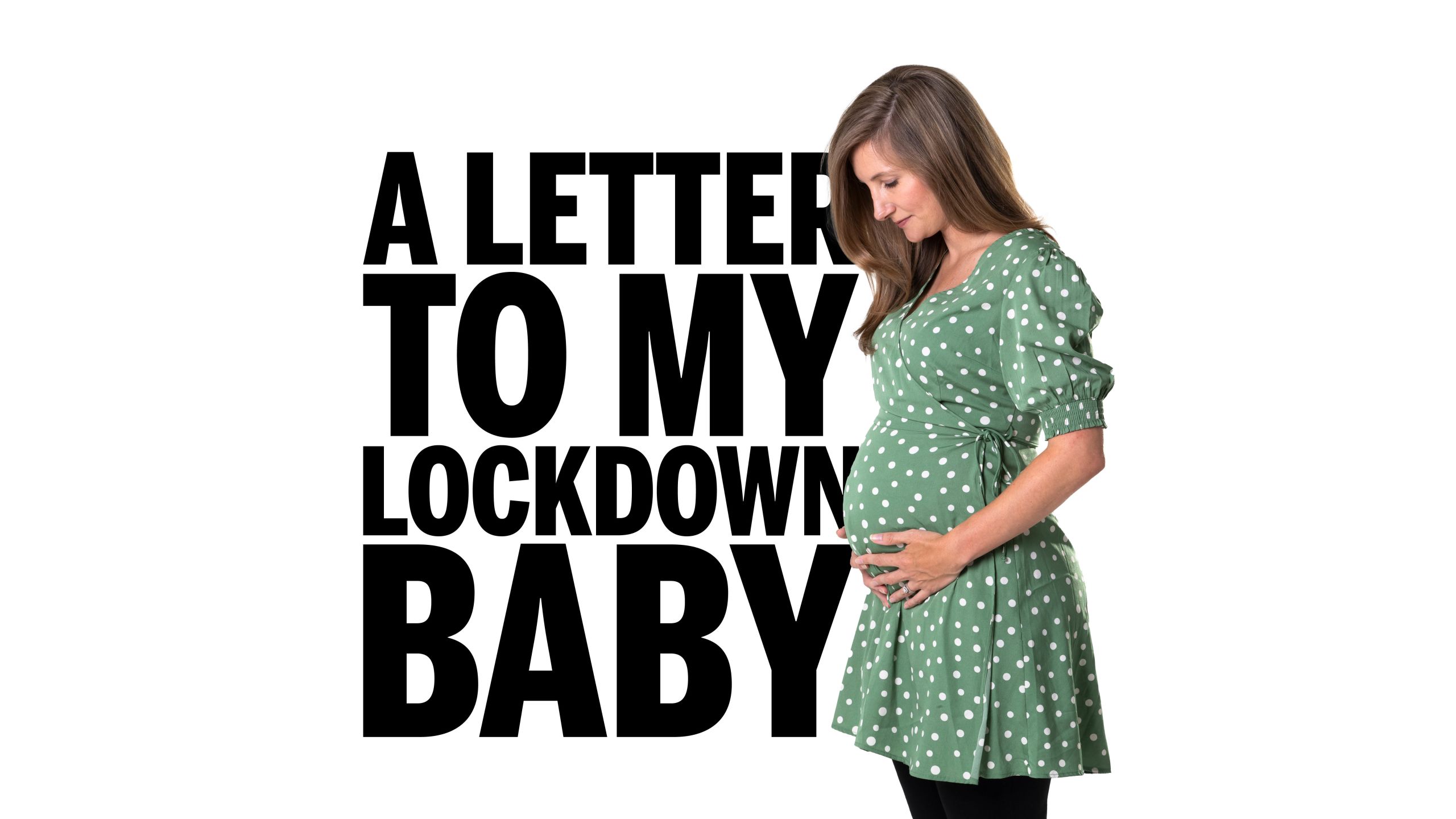



You won’t know life before coronavirus.
Like babies born after the September 11 terror attacks will only know the strict airport checks we have now. Like anyone younger than 20 will have likely grown up with their every move documented online by their parents. Like many members of Generation Z won’t know what it’s like to own a house.
You will join a select generation, those conceived at a time of uncertainty.
Maybe we won’t greet our friends and family with hugs and kisses. Maybe masks are a staple everywhere you go. Maybe you’ll do all your schooling online. Maybe an OE is something you only see people doing in old movies. Maybe everyone works from home by the time you enter the workforce, with all customer-facing jobs replaced by machines to avoid germs.
They will study you guys. How many of you are there? Have the burdens of a crisis affected you?
Just like they’re studying the babies who arrived during lockdowns - are they less likely to develop allergies born at a time when air quality was better?
They’ll study the kids who lived through it too.
Those who weren’t allowed to sit on Santa’s knee, who had to read their wish lists to him behind a Perspex screen as their parents fretted over how to make it work financially.
Those who missed months of schooling in their formative years.

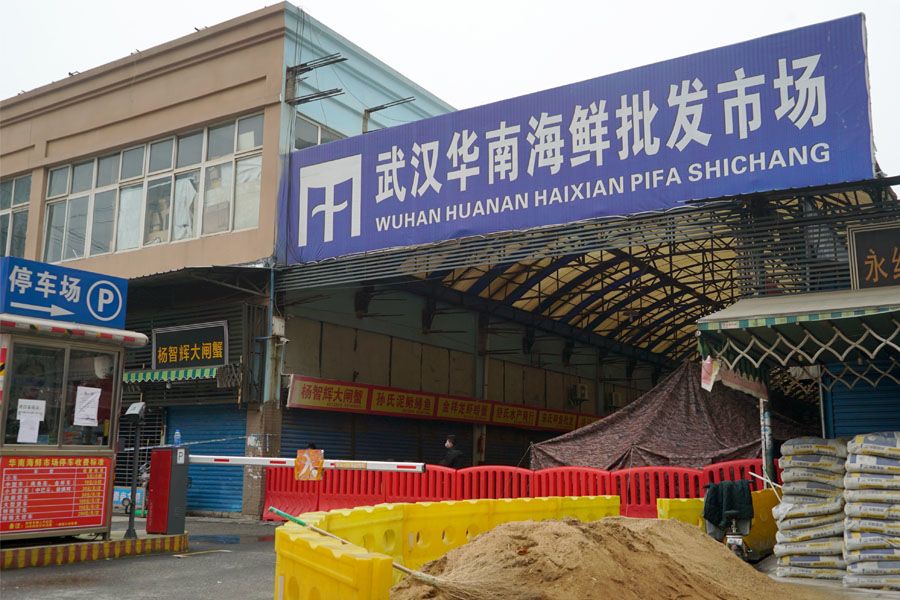
The Wuhan Huanan seafood market. Photo / AP
The Wuhan Huanan seafood market. Photo / AP
YOU JOINED our bubble during New Zealand’s first lockdown.
We’d been hearing about this new virus, reportedly stemming from a live animal market in the Chinese city of Wuhan.
It was inevitable it was going to get here too, a booming tourist hotspot and multicultural nation with thousands of flights into the country each day.

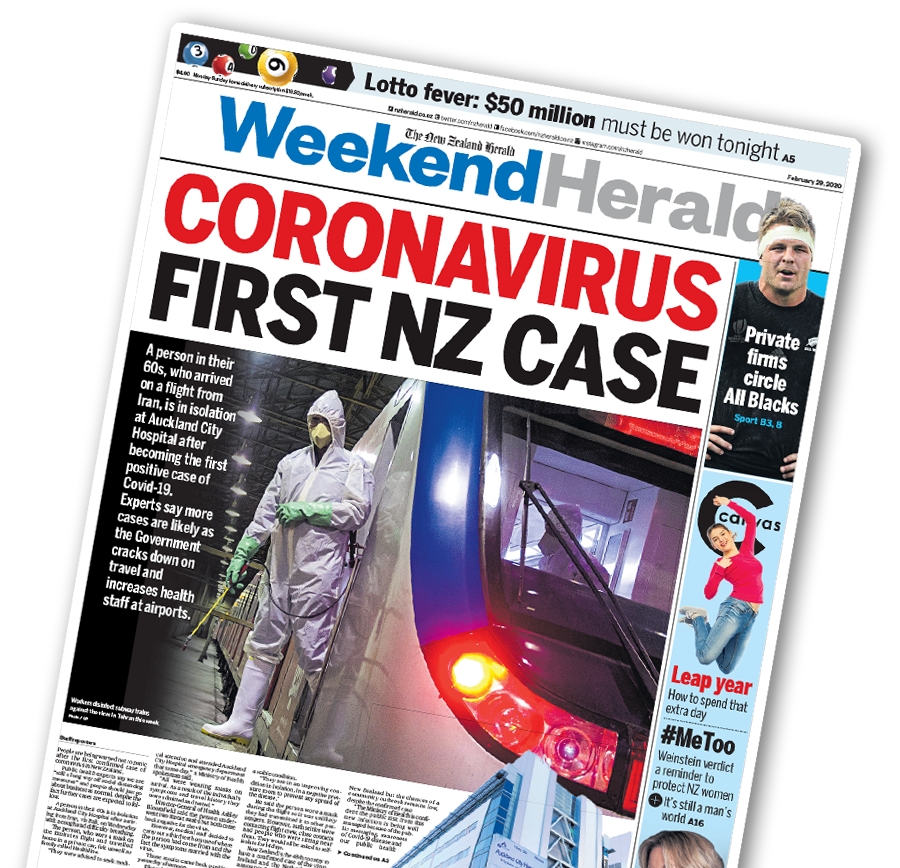
It happened on February 28. A person in their 60s recently returned from Iran. Our tiny Island at the bottom of the world became the 48th country to join an unwanted club.

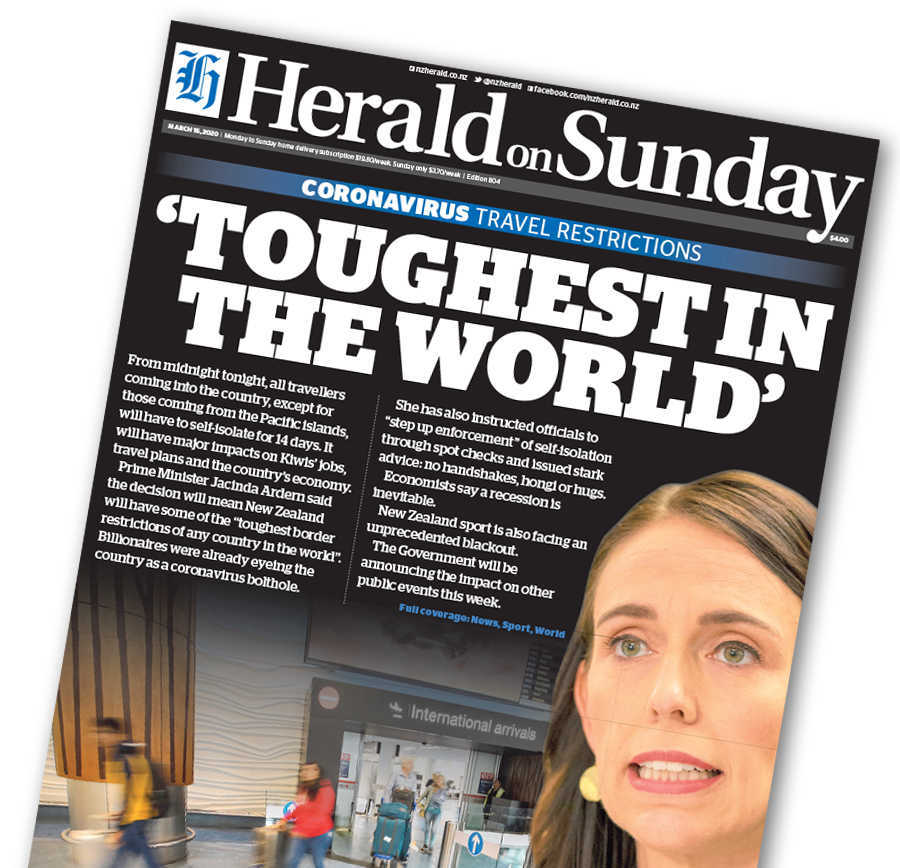
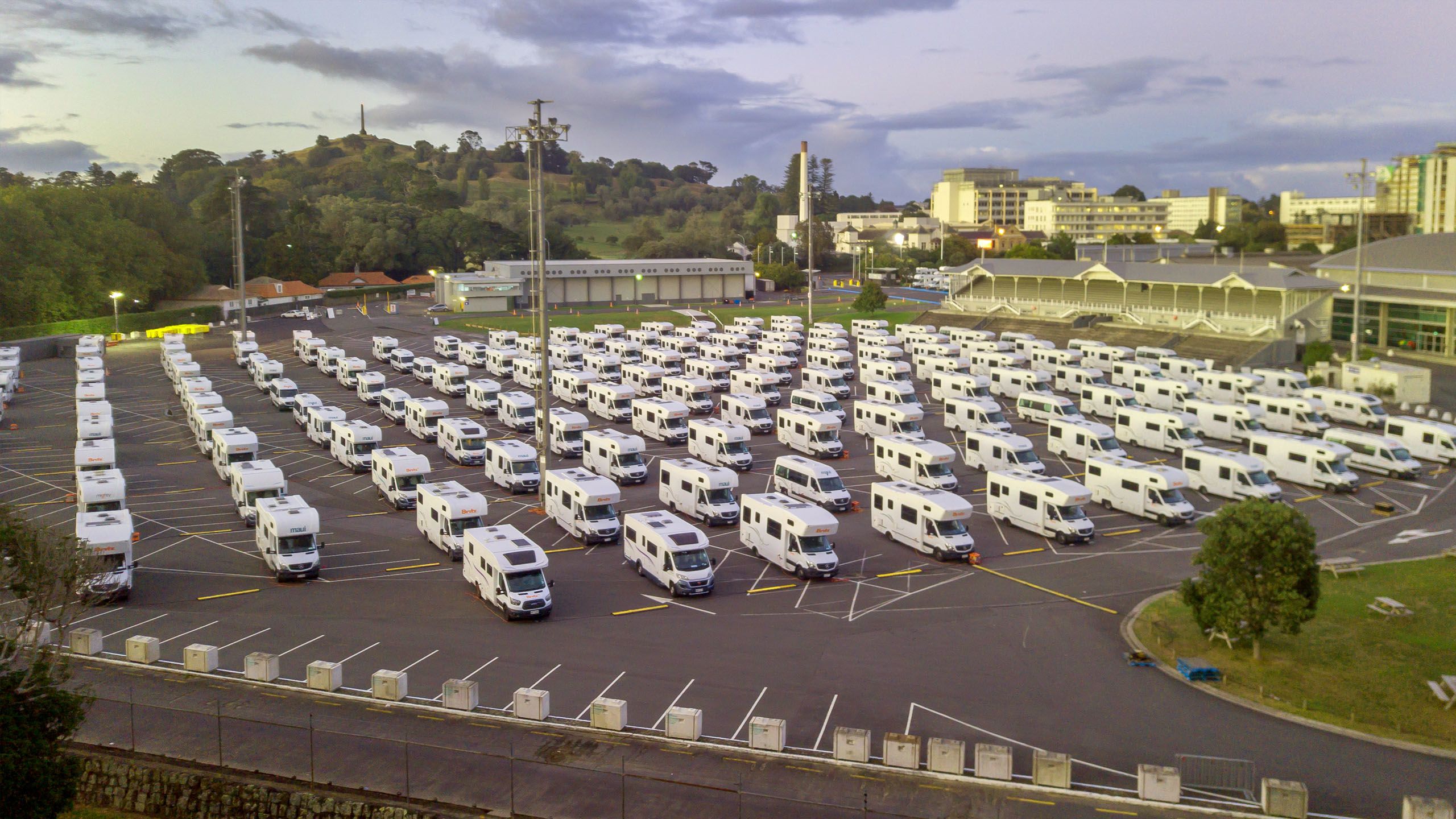
TWO WEEKS later, all travellers coming into the country had to self-isolate for 14 days, rules Prime Minister Jacinda Ardern said were among “the toughest in the world”. Campervans were set up for those with nowhere to go.

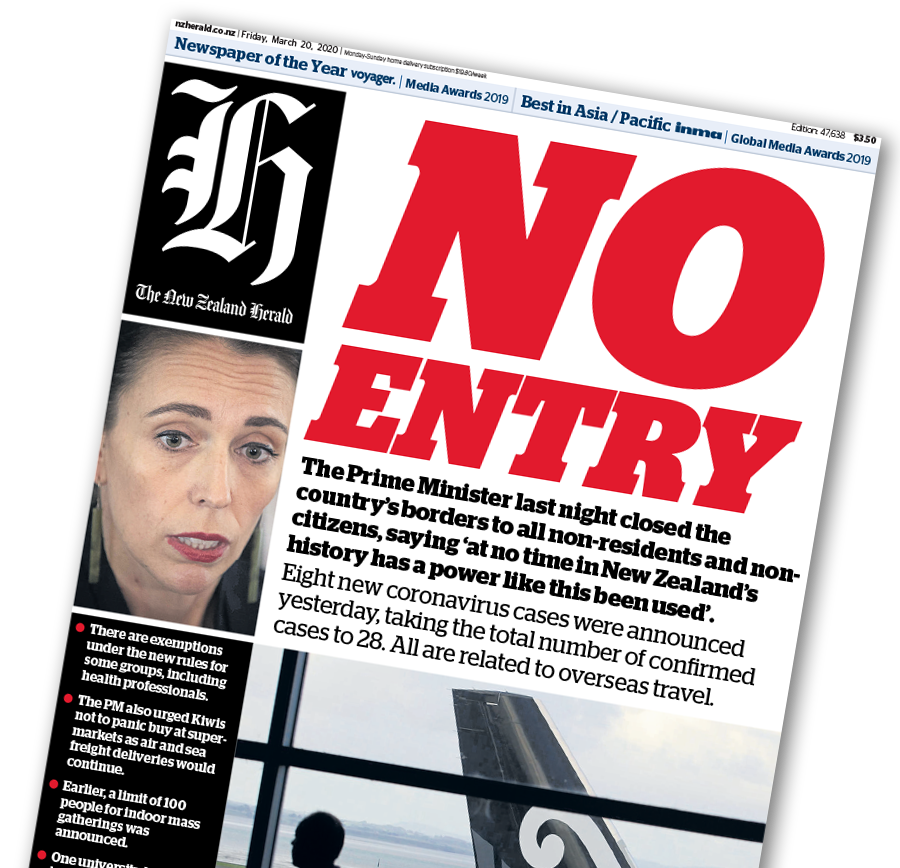
But probably the most poignant moment for me was when my colleagues and I stood open-mouthed to watch the PM announce the country’s borders had closed to all non-residents.
That was nine months ago and your dad still has no idea when he might be able to see his 83-year-old mum and his siblings in Brazil again. And more importantly, if she'll ever get to meet you.
Brazil would go on to have more than 7 million cases, which this week we discovered included one of your uncles and two cousins.
It also meant immediate job losses in an industry the country relies on.

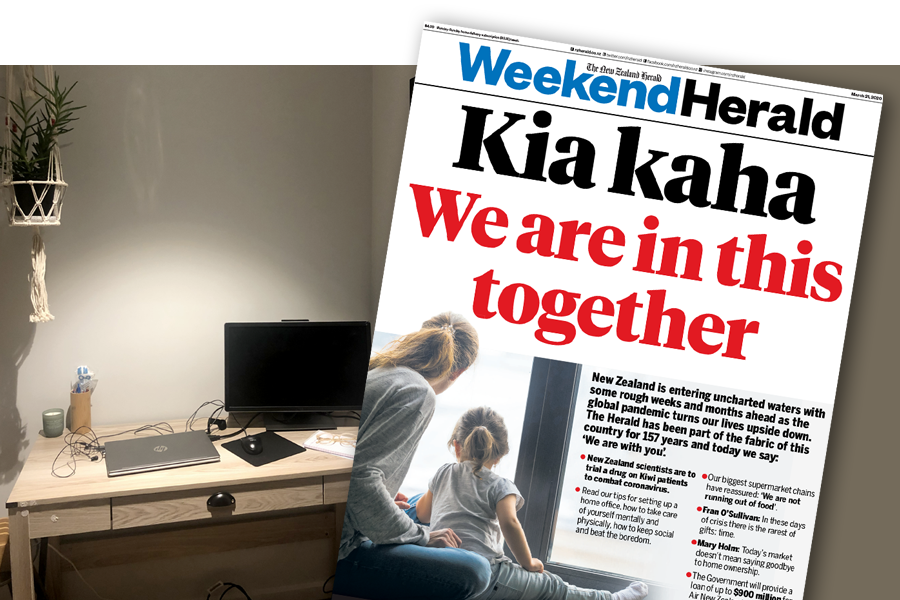
My home office, with a comforting front page.
My home office, with a comforting front page.
In preparation for a potential lockdown, that weekend I started creating a home office, which is really just a desk wedged into a nook in our living room. Office furniture was scarce by that stage with some city workplaces already asking staff to work from home or doing trial runs.
Adorning the wall in my office is a framed copy of the front page of the Weekend Herald, a day after the PM announced our borders had closed. “Kia Kaha,” the headline reads, “We are in this together”.

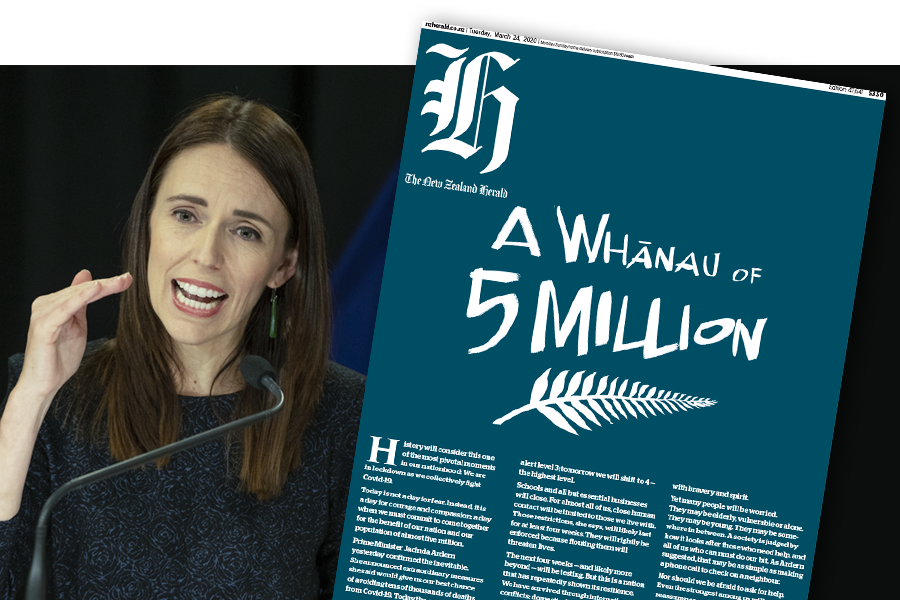
Prime Minister Jacinda Ardern announcing the lockdown; our front page the next day. Photo / Mark Mitchell
Prime Minister Jacinda Ardern announcing the lockdown; our front page the next day. Photo / Mark Mitchell
IT HAPPENED on March 23 - Ardern announced the country would be going into a nationwide lockdown three days later.
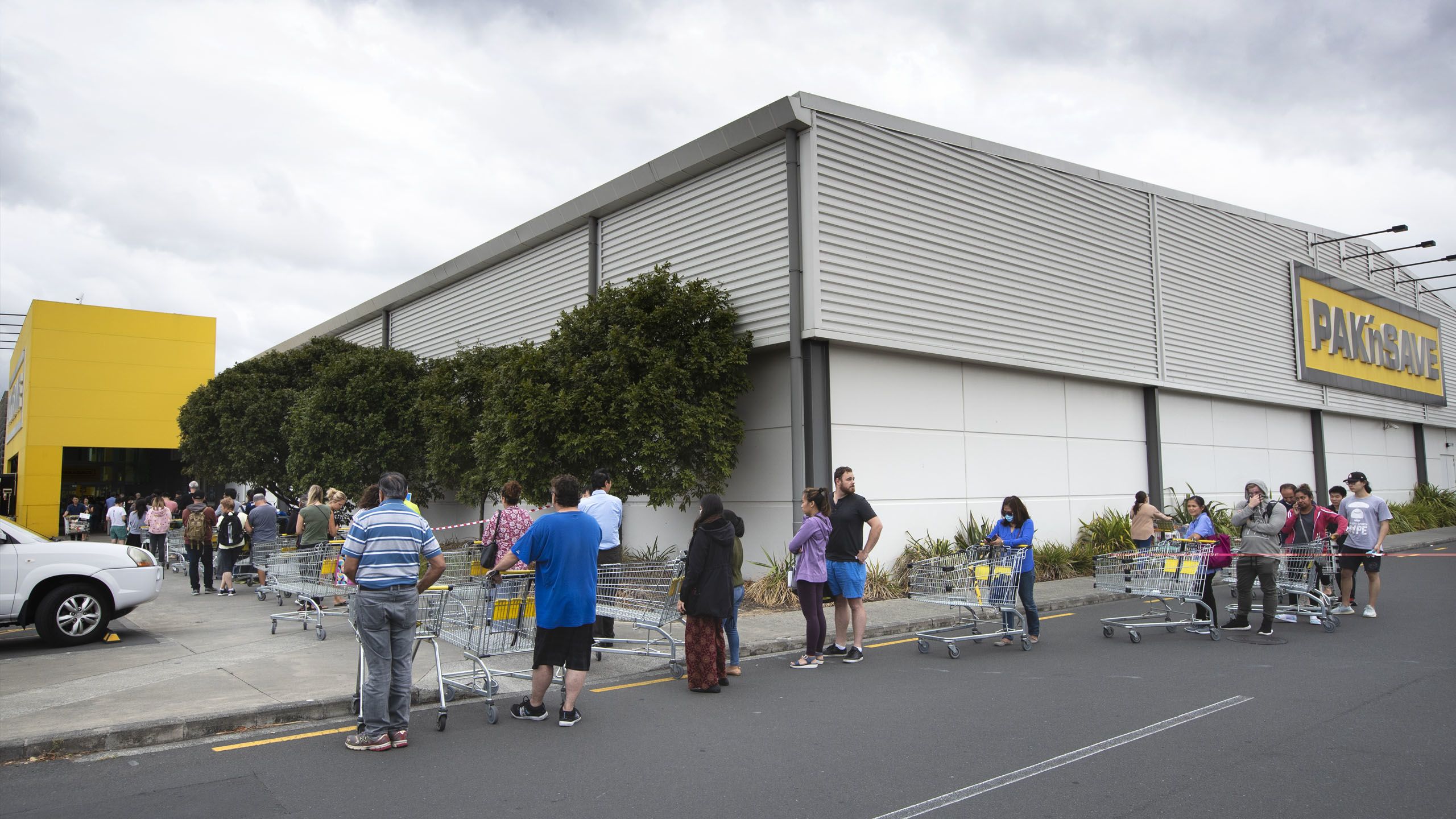
Cue supermarket chaos. Lines were out the door and down the street. Toilet paper was sold out. Canned food was flying off the shelves. Some stores had to close as they were running low on stock.
I’d never seen anything like it. It was clearly going to be the biggest story of my career.
The only other places open to the public were petrol stations and medical centres. Alcohol stores were also deemed essential and the queues were laughable.
The only other permitted reason to leave the house was for exercise — and we became a nation of narks, dobbing in those who didn’t comply.
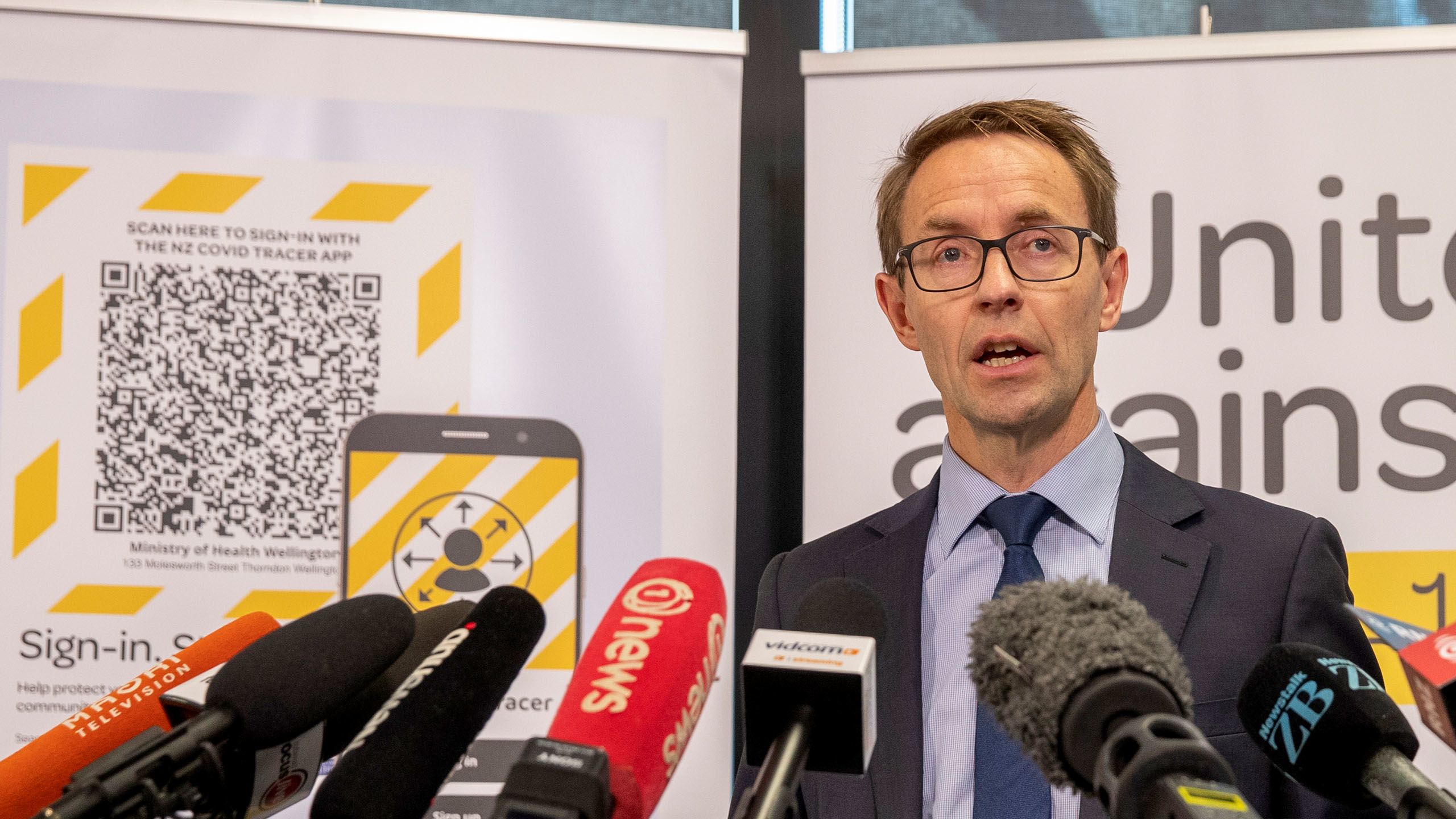
We had to sign in everywhere we went - the Ministry of Health would later release an app so we could keep a digital diary of our movements and be sent alerts if we had been in the same place as a Covid case.

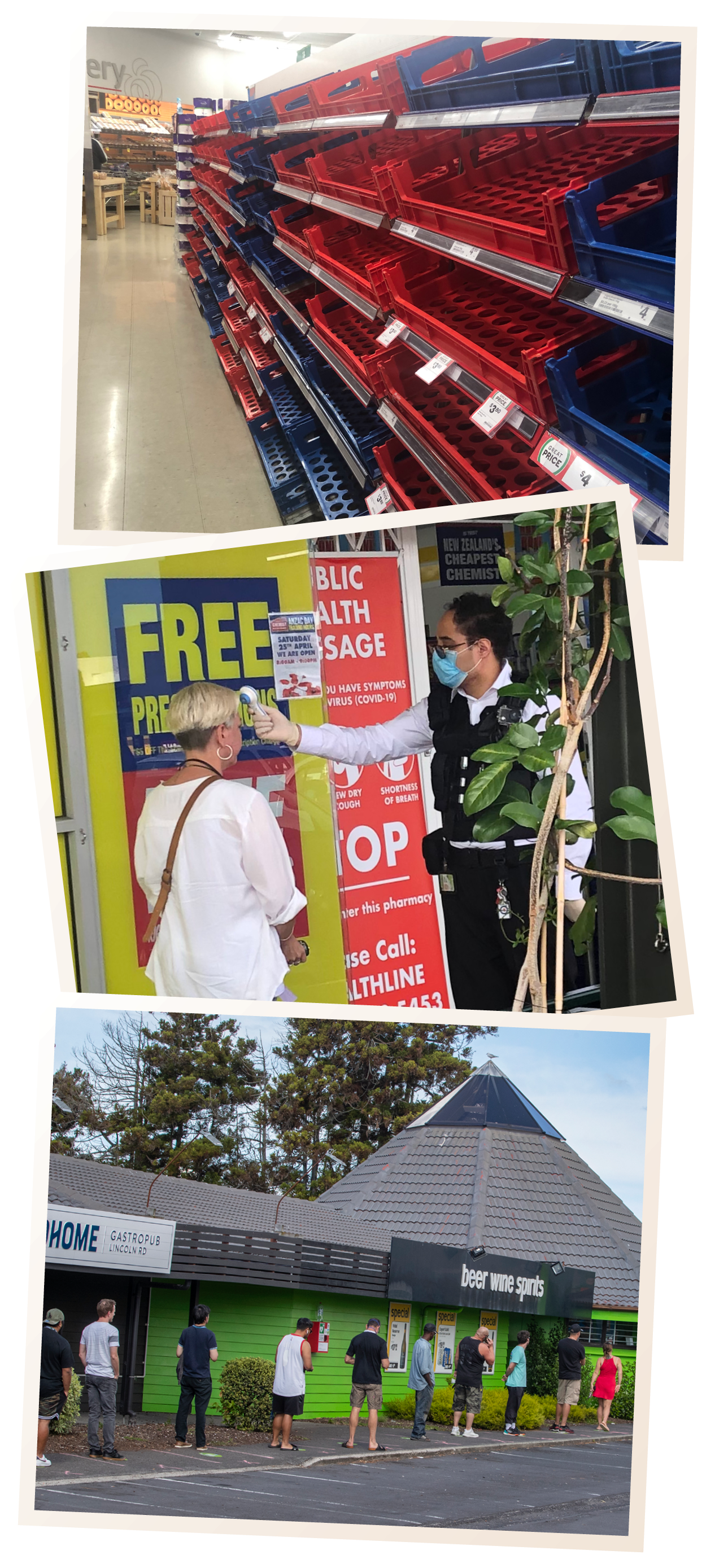
Empty shelves at our local supermarket, temperature checks at the pharmacy and lines down the street at West Liquor. Photos / Alanah Eriksen, Peter Meecham
Empty shelves at our local supermarket, temperature checks at the pharmacy and lines down the street at West Liquor. Photos / Alanah Eriksen, Peter Meecham
Some places did temperature checks before letting people in, like our local pharmacy.

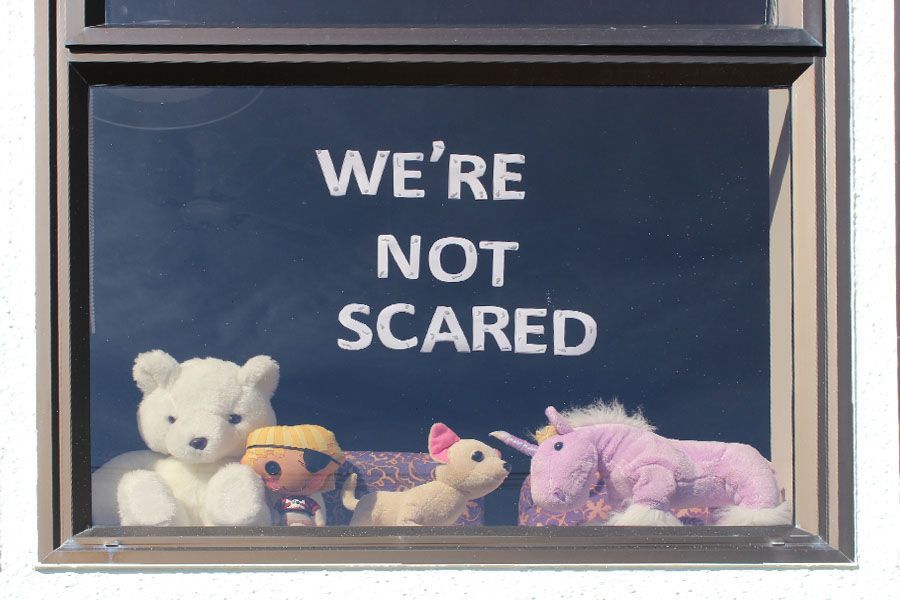
Soft toys brighten children’s days. Photo / David Haxton
Soft toys brighten children’s days. Photo / David Haxton
Parents had to home school their children.
People put teddy bears in their windows to brighten the day for others on their daily stroll.







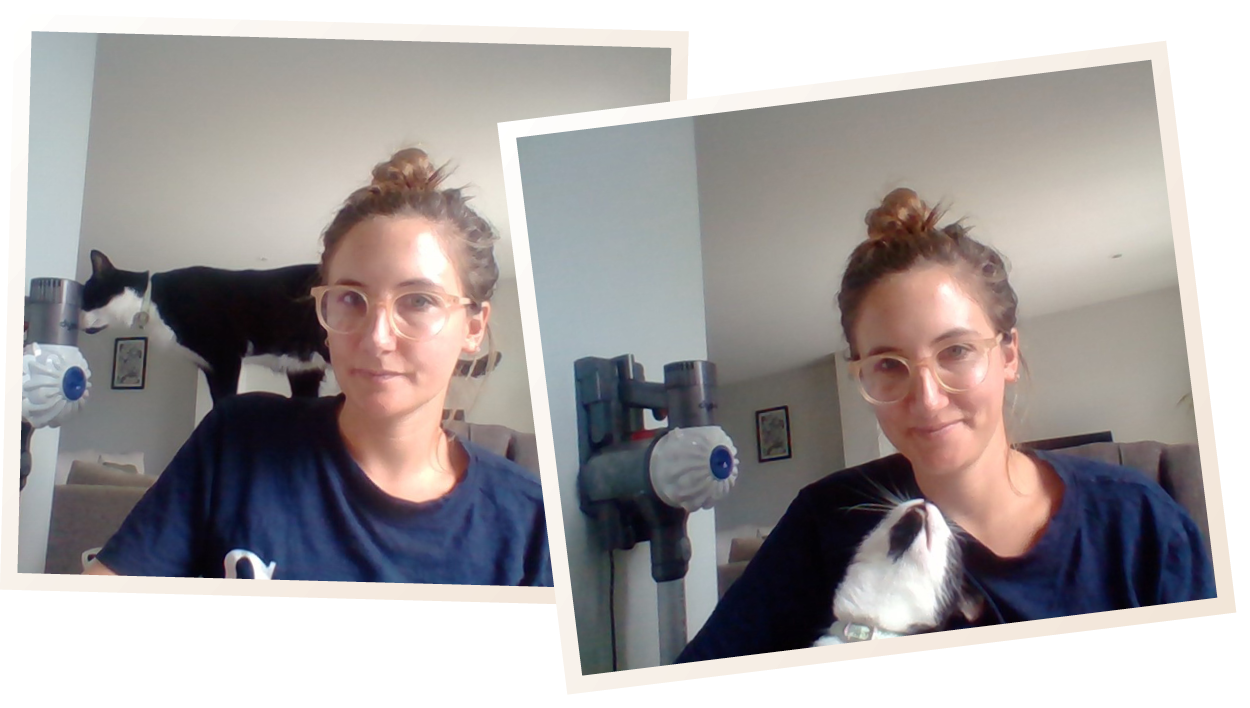
On a Zoom meeting with Boris and the Dyson.
On a Zoom meeting with Boris and the Dyson.
I WASN'T allowed to see anyone but your dad and the fuzzy faces of my workmates via Zoom meetings for seven weeks. One of our two cats, Boris, made regular appearances at meetings. So did the Dyson.
Children climbed on to knees, significant others got in shots dressing gown-clad, mute buttons got stuck regularly. Beards got longer, blonde highlights disappeared.

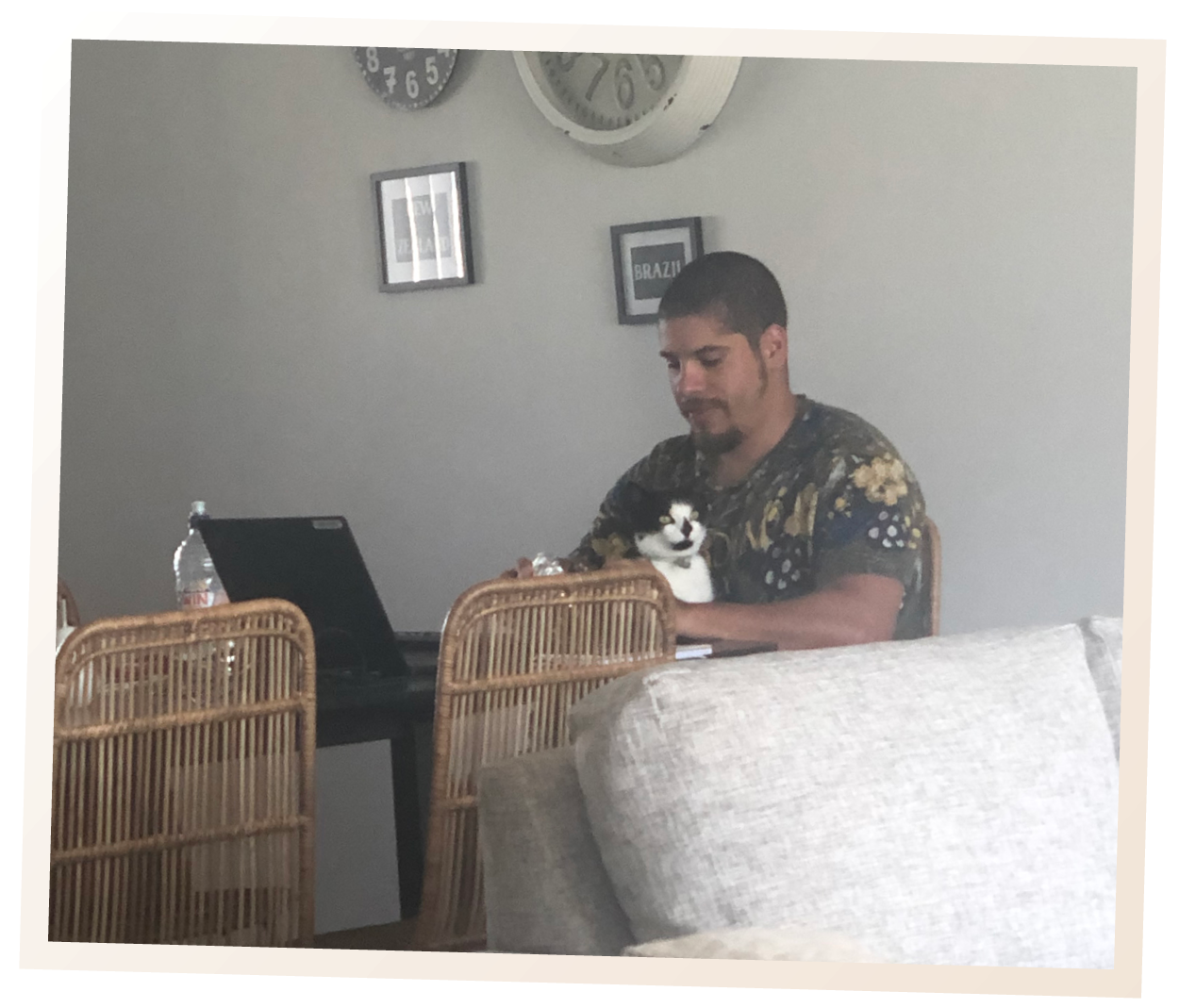
Boris makes an appearance again in your dad’s dining room office.
Boris makes an appearance again in your dad’s dining room office.
The bathroom is next to my desk so your dad would have to warn me when he was about to flush if I was in a meeting so I could mute.
I wore sweatpants and slippers and no makeup. Your dad was in his pyjamas at the kitchen table. He works in logistics for a global clothing chain so all the stores were closed and his workload decreased by about 80 per cent.

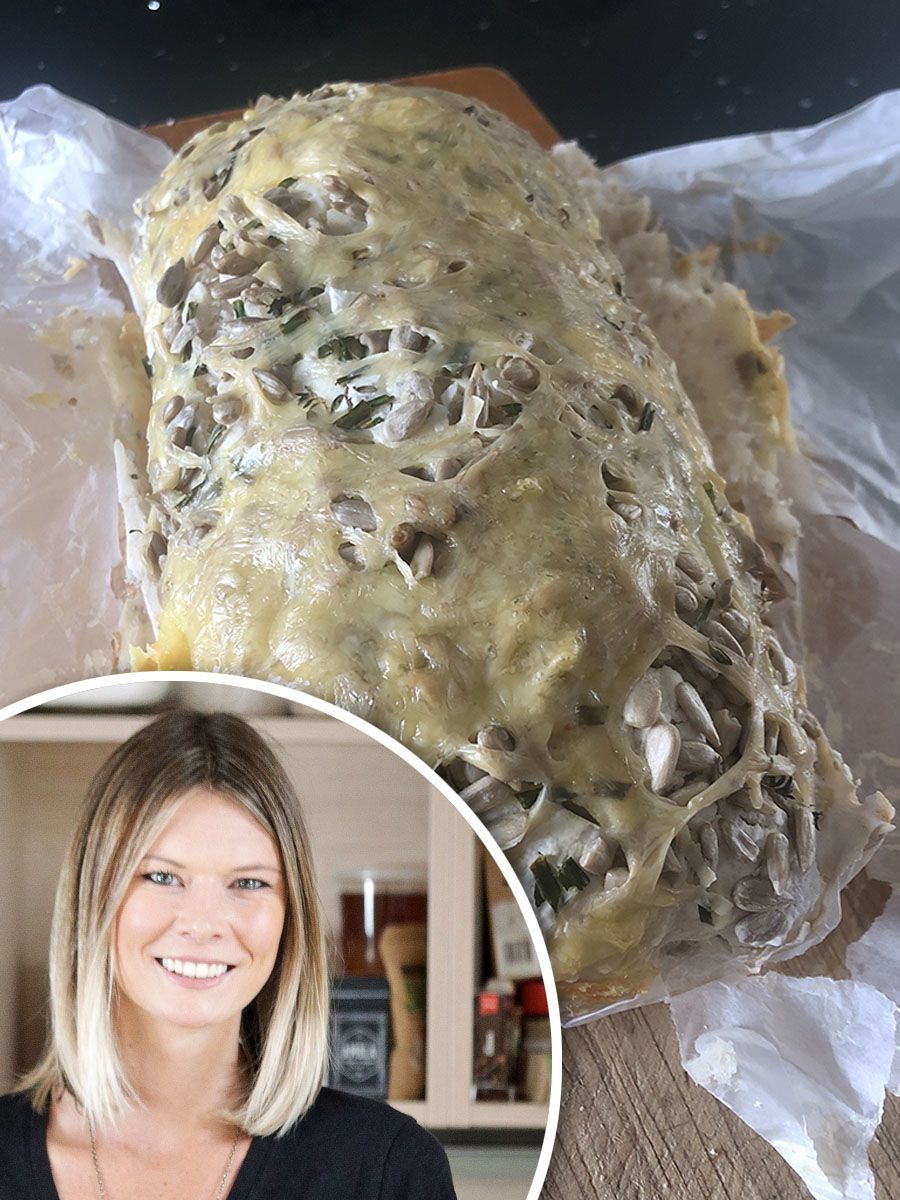
Chelsea Winter and my version of her Lockdown Loaf. Photo / Andrew Warner
Chelsea Winter and my version of her Lockdown Loaf. Photo / Andrew Warner
Like countless others, we both took pay cuts for a while - him 20 per cent, me 15. Mine was later paid back by the company. The Herald also asked us to use some of our leave to help with costs.
Initially I thought a week off during lockdown would be a chance to get really fit. But the six-pack plans evaporated when I discovered Chelsea Winter’s Lockdown Loaf. You couldn't buy yeast anywhere as people turned into home cafe bakers, but the recipe used beer so it went viral.
I did manage to clean every inch of the house, debut on TikTok, get really good at making homemade burgers in place of takeaways, rewatch many old movies, make a herb garden (but the plant store wasn’t open to put herbs in it) and organise 67 pairs of shoes.
People turned into home hairdressers.

Masks became the hot new fashion accessory, with many Kiwi designers jumping on the bandwagon.

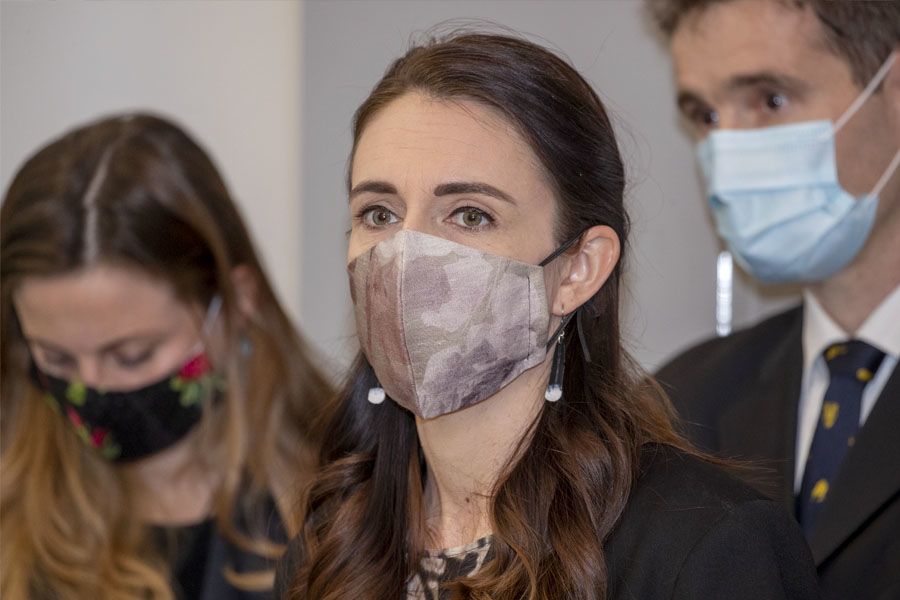
Face masks became the hot new accessory. Photo / Mark Mitchell
Face masks became the hot new accessory. Photo / Mark Mitchell
New Zealand ran low on many things we rely on from overseas, including elastic because of all the mask-wearing (and maybe because of the expanding waistlines and need for track pants).
A FEW days after we went into lockdown, New Zealand reported its first Covid-related death, West Coast woman Anne Guenole, 73. She hadn’t travelled overseas and barely left her home so they still don’t know how she contracted it.

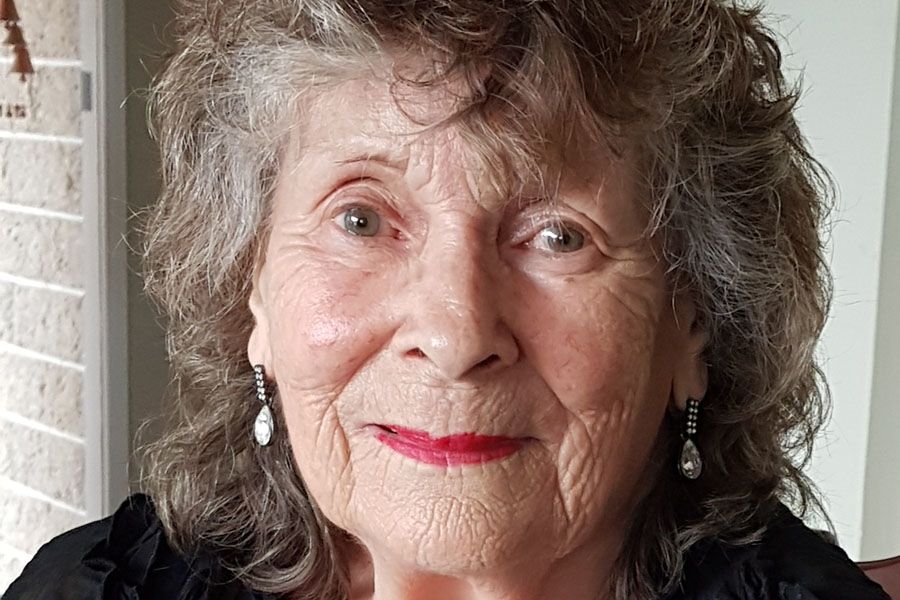
Anne Guenole, 73, was the first person to die from Covid-19 in New Zealand. Photo / Supplied
Anne Guenole, 73, was the first person to die from Covid-19 in New Zealand. Photo / Supplied
The number of significant clusters - groups of 10 or more people who likely caught the disease from one another - ballooned. Our biggest at that stage was the Bluff wedding cluster - 98 became infected including the bride and the groom. The father of the groom died.
We learned a whole new pandemic-related vocabulary: Bubbles, alert levels, essential workers, WFH (work from home), community transmission, panic-buying, break the chain, flatten the curve, deep clean, close and casual contacts, Covidiot.
I CELEBRATED my 33rd birthday in lockdown. By this stage we were in alert level 3 - like level 4 but with takeaways. I had a Zoom “party” with friends in five different time zones - all with their own Covid stories to tell from their respective countries.

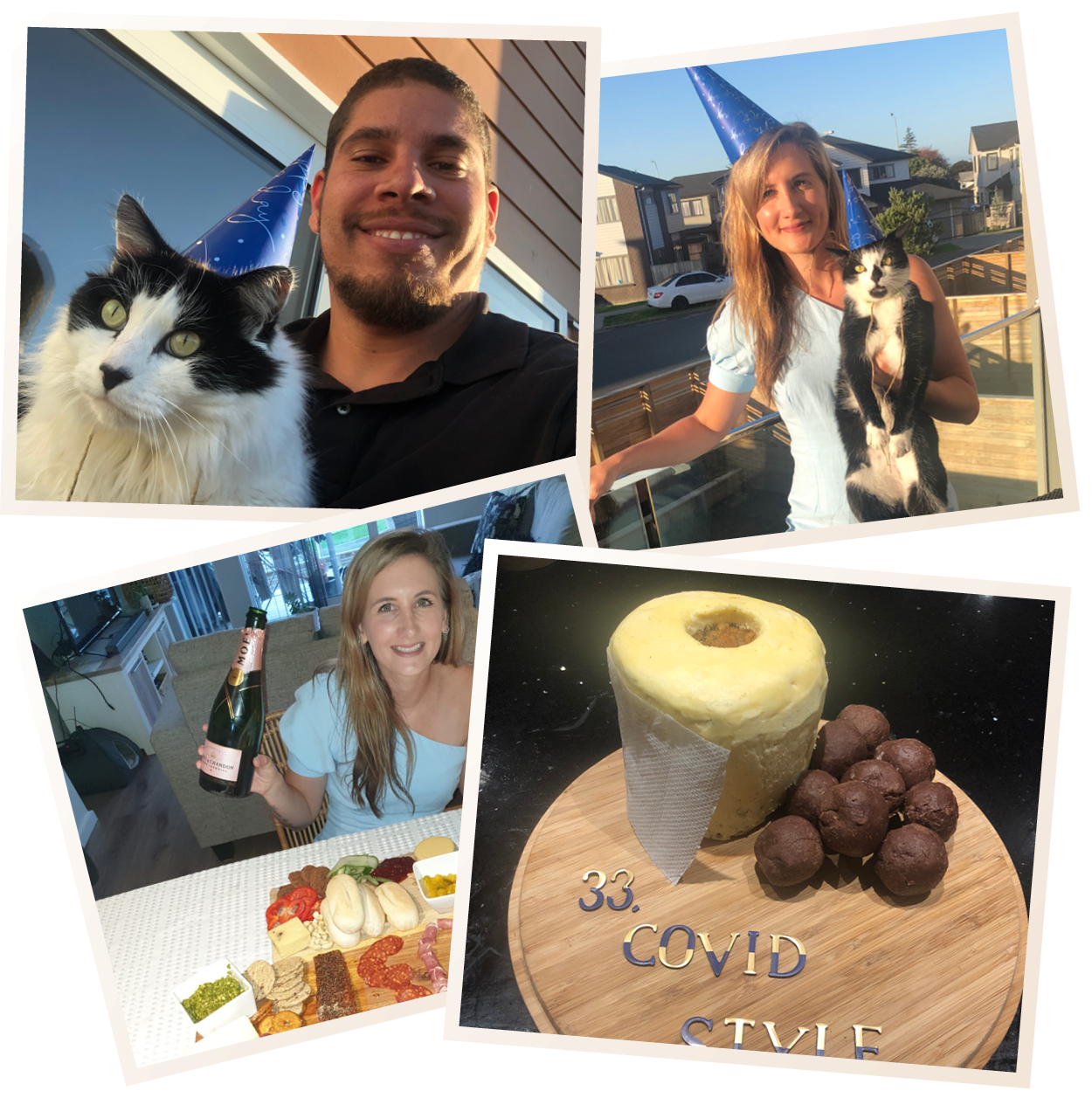
Birthday fun in lockdown.
Birthday fun in lockdown.
They were envious of New Zealand’s “go hard and go fast” method, with cases ballooning elsewhere.
I made party hats for your dad and me and the cats as well as a cake shaped like bog roll. Dinner was a platter with cured meats spelling out ‘Iso’.
I got two birthday presents - a phone holder for my bike because of all the exercise I was planning, which your dad ordered online, and a selection of sweet treats a friend was able to buy from the petrol station which she left in a pot plant at the front door before ringing the doorbell and running away since she wasn’t part of our bubble.
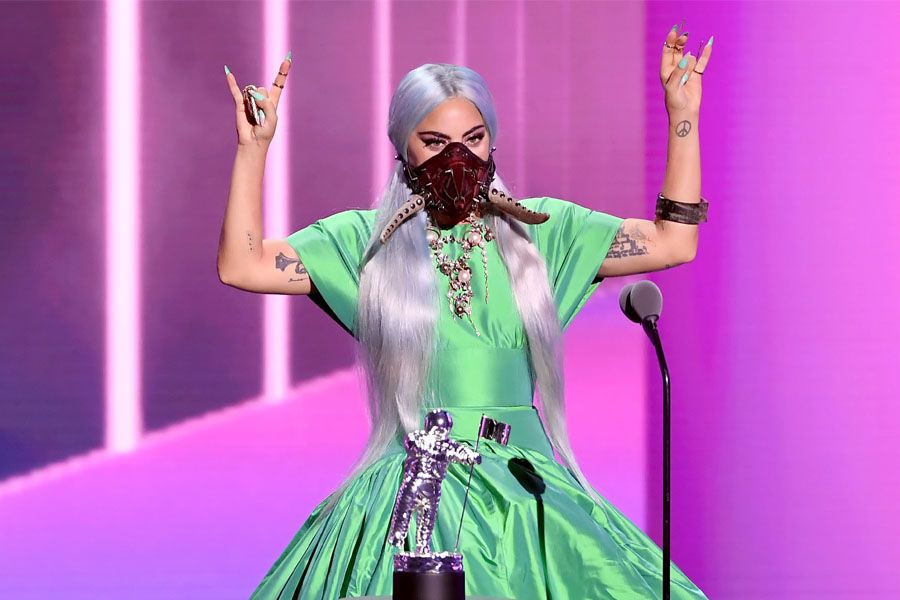
Lady Gaga accepts a music award donning one of many face masks she wore that night. Photo / Getty Images
The music industry all but dried up. Singers did shows via social media.
For the MTV Video Music Awards, stars accepted gongs from their living rooms. Singers prerecorded their performances at various locations around New York.
The host, Keke Palmer, took more than 20 Covid tests ahead of filming.
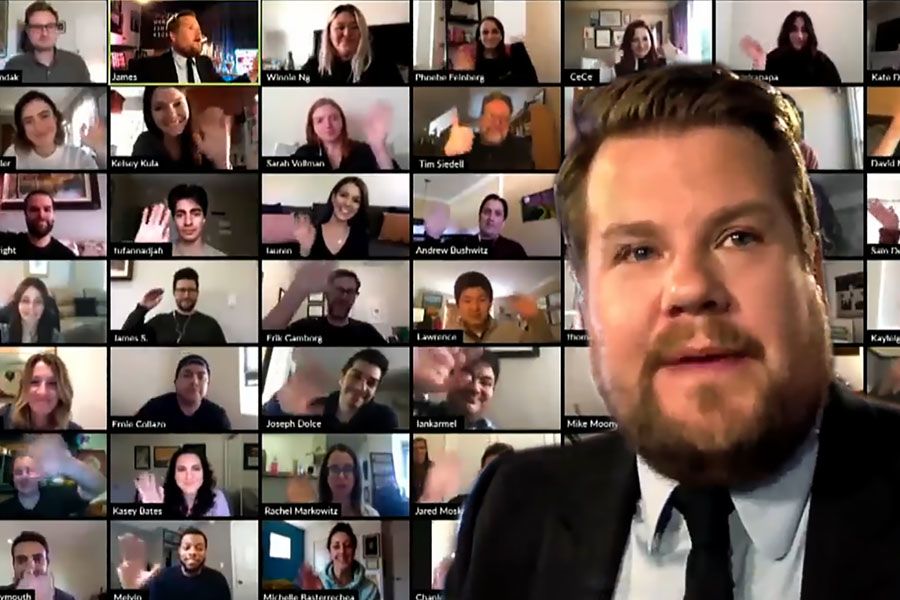
James Corden hosts his talk show via Zoom.
Movies stopped getting made.
TV shows were filmed by their stars on their phones. Talk shows and game shows were hosted over Zoom.
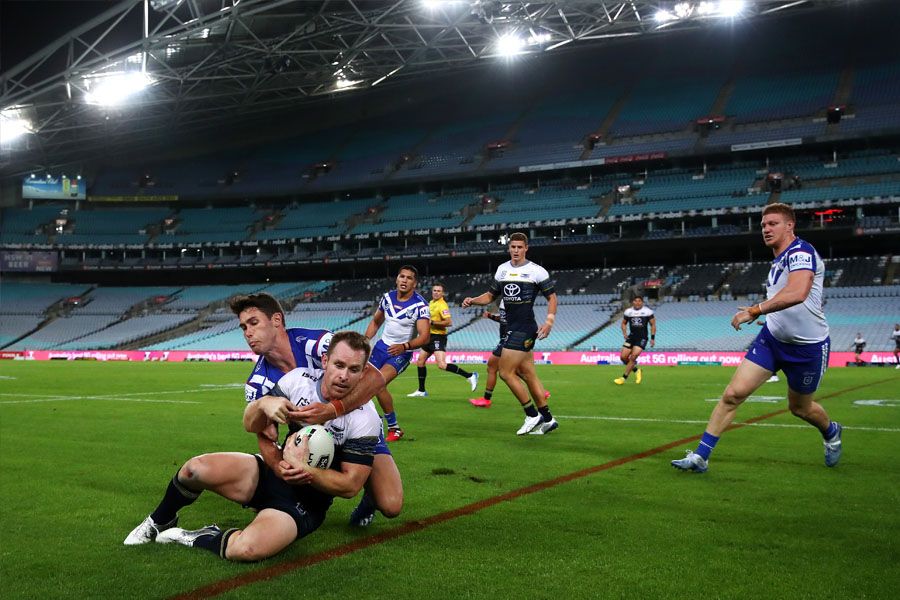
The Bulldogs and Cowboys play to no crowds. Photo / Getty Images
Sport dried up for months and when it started back up, it went ahead to empty stadiums.
But New Zealand slowly started letting athletes, movie stars and business people into the country, causing indignation among those not able to get in on compassionate reasons.

Lady Gaga accepts a music award donning one of many face masks she wore that night. Photo / Getty Images
Lady Gaga accepts a music award donning one of many face masks she wore that night. Photo / Getty Images

James Corden hosts his talk show via Zoom.
James Corden hosts his talk show via Zoom.

The Bulldogs and Cowboys play to no crowds. Photo / Getty Images
The Bulldogs and Cowboys play to no crowds. Photo / Getty Images
DIRECTOR GENERAL of health Dr Ashley Bloomfield’s 1pm updates were appointment viewing for the nation. As he spoke, my colleagues and I furiously typed his words into stories for the website from our living rooms. We sent out alerts to the public’s phones.
Or, if I was the editor on a night shift, I’d be putting the newspaper out, reading every word from my small laptop screen rather than printing out the A3-size proof on the industrial printers at work, communicating via instant messenger with the artists, subs, news editors, news directors, photodesk and reporters.
Asking for a single comma to be changed on the front page - and explaining exactly where it is - via instant messenger really speeds up your typing.
A couple of times the home internet would cut out right on deadline.
But for the first time in 157 years, we put the New Zealand Herald to print with the entire staff working from home.

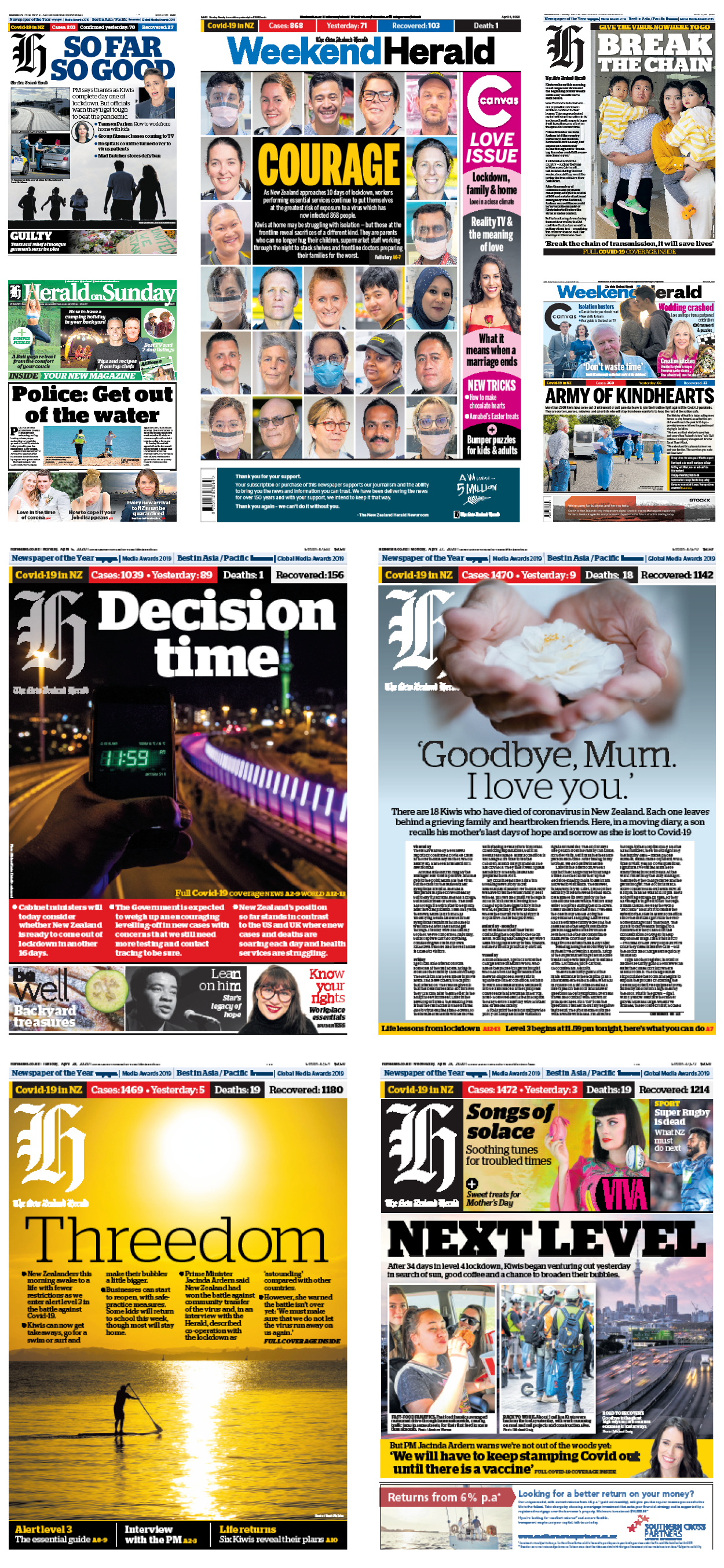
These Heralds were produced in lockdown from home offices around the country.
These Heralds were produced in lockdown from home offices around the country.
I’d stress all night in bed the paper would have a mistake. I’d run to the letterbox at the crack of dawn to see it in real life, meticulously combing each page. It would have been on my head that particular night to make sure the nation was receiving the most accurate, up-to-date information on the biggest news story of our lifetimes.
But all of the above seemed trivial compared with what some were going through.

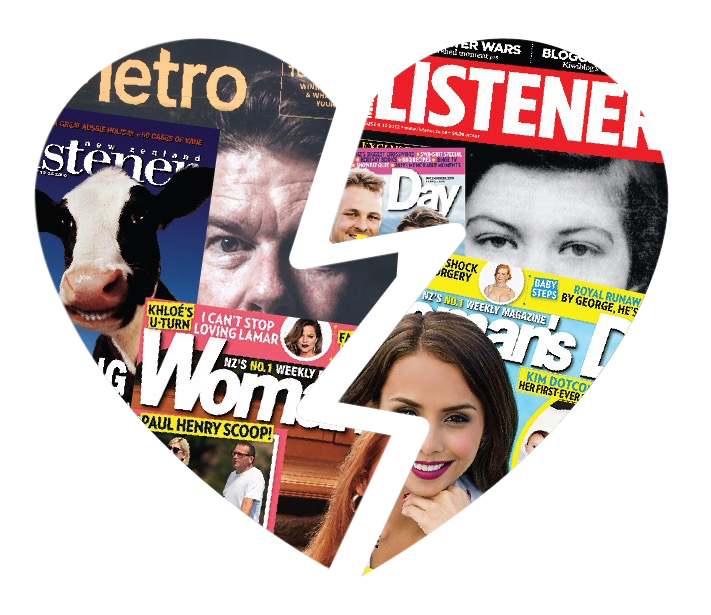
These magazines disappeared overnight.
These magazines disappeared overnight.
Thousands lost their jobs - many in tourism, retail, hospitality and media including at Bauer, which owned many of the country’s top magazines, and at our company, NZME, where 200 roles were affected.
Some were in limbo - unable to do their customer-facing jobs while in lockdown and not knowing if their business would be able to keep them on.
And then there were the essential worker heroes who put their health on the line every day - the checkout operators, the border workers, the medical professionals. If there was any question about just how contagious this disease was, it was put to bed when seven nurses tested positive for the virus while taking care of infected rest-home residents, among our most vulnerable citizens.


WHEN THE rules relaxed a bit, the office was a new place. We weren’t allowed to hotdesk any more, the Friday drinks and pizza night was cancelled, there was no shared food for birthdays or farewells.
And there were many empty desks. We never got to say goodbye in person to those who lost their jobs in lockdown. Others weren’t back in the office because they were immunocompromised. Some found working from home much more efficient.

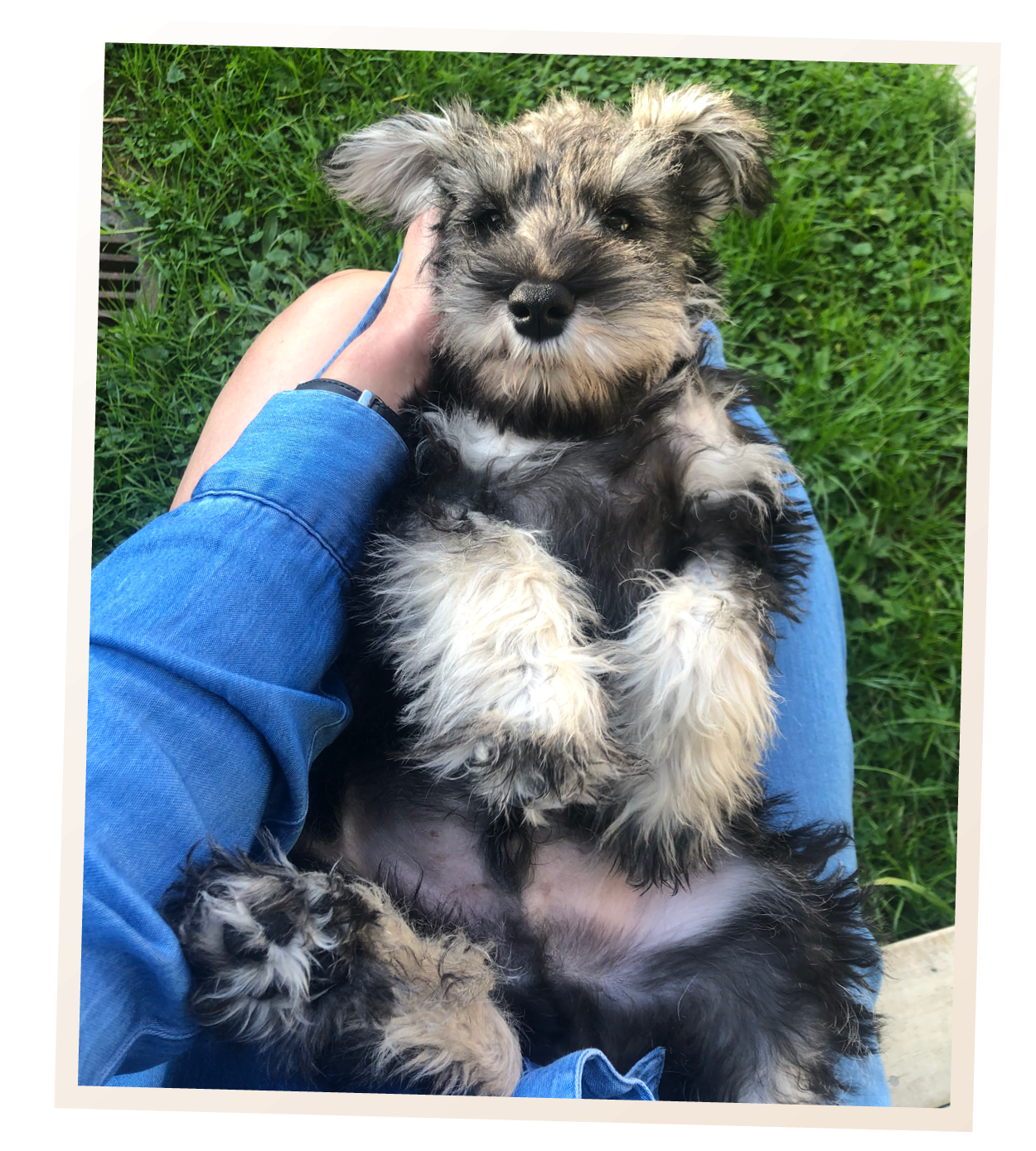
Our new addition, Ralph.
Our new addition, Ralph.
I still didn’t know about you yet so we got a puppy. I was working from home a couple of days a week so thought it was a great time to add a rambunctious little fur baby to the bubble.
We tried to go to a bar and were told there was a five-hour wait because the number of people they could let in had to be small enough to allow for social distancing. And like the movie Footloose, dancing was banned.
AMID THE health crisis, the world went mad.

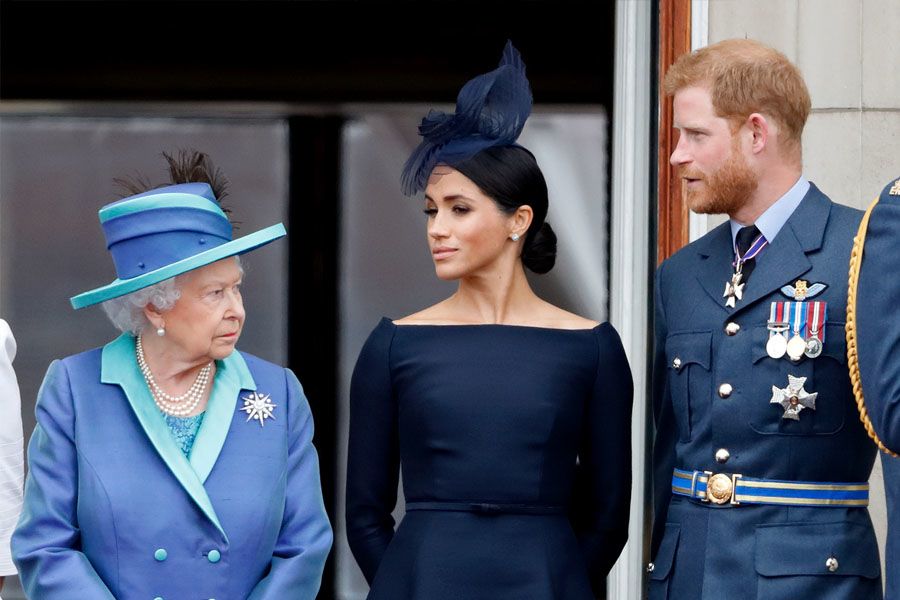
Meghan and Harry broke away from the Queen’s ranks and settled into a new life in the US. Photo / Getty Images
Meghan and Harry broke away from the Queen’s ranks and settled into a new life in the US. Photo / Getty Images
There was Brexit and Megzit, the latter making far more headlines - the Duke and Duchess of Sussex, Meghan and Harry, quit the royal family and Britain to take up a new life in the United States.
And a video went so viral that it sent shockwaves around the world and sparked change in many countries.
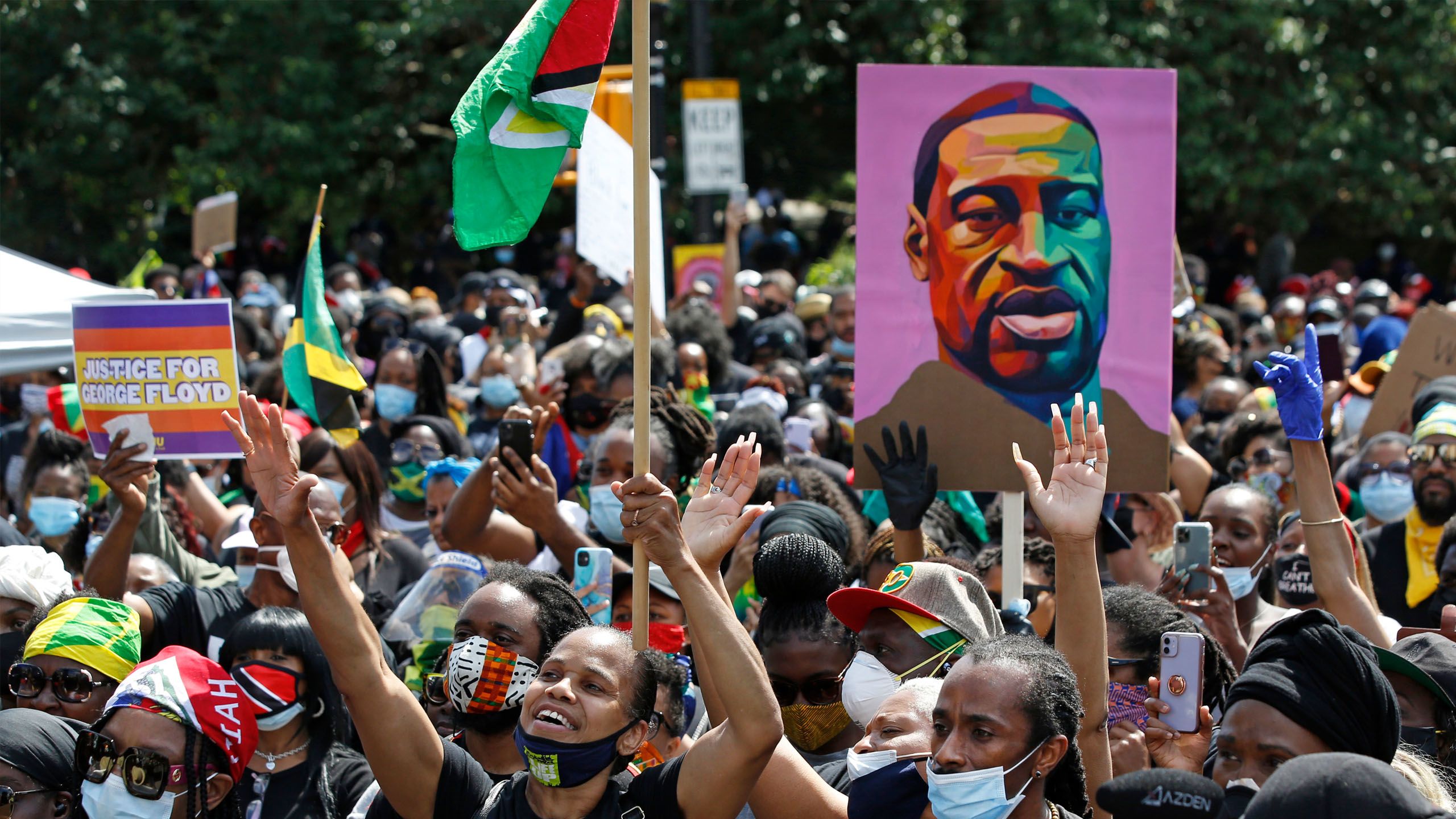
It showed a white American police officer kneeling on the neck of an unarmed black man, George Floyd, for almost nine minutes, eventually killing him. The act epitomised how African-Americans have long been held down by systemic racism.
In New Zealand, thousands protested.
But the pandemic was never far from people’s minds, with protesters coming under fire for flouting alert level 2 restrictions that meant only 100 people were allowed at public gatherings, as well as for not social distancing.

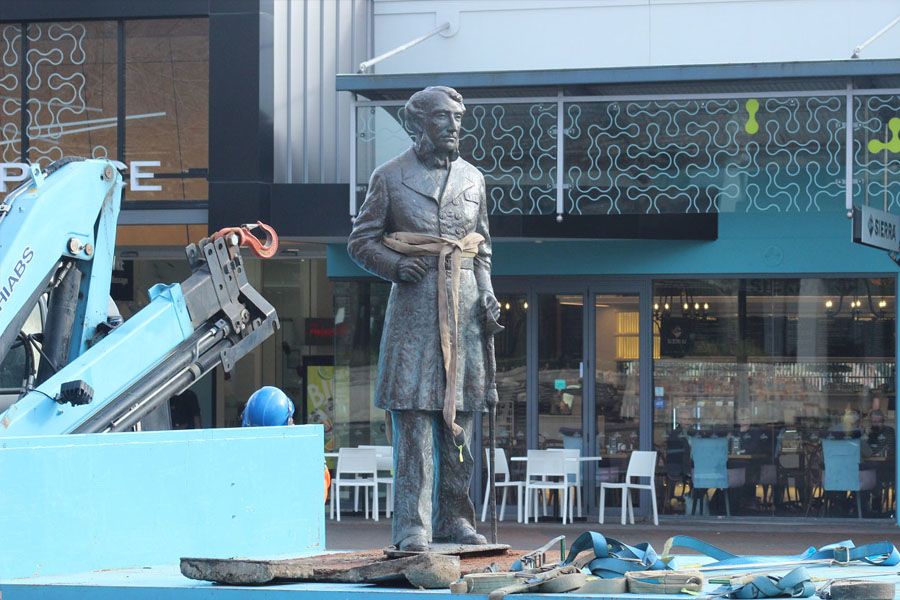
Captain John Fane Hamilton. Photo / Tom Rowland
Captain John Fane Hamilton. Photo / Tom Rowland
The statue of Captain John Fane Hamilton in the city’s Civic Square was removed after threats were made to tear it down. Hamilton killed Māori in the Waikato land wars. He never set foot in the city which takes his name.
As a person of mixed race, with a foreign last name, I hope you never have to experience any disadvantages that have plagued those before you.
Another movement that hopefully paved the way for change in your generation is Me Too.
Movie mogul Harvey Weinstein was found guilty of five felonies and sentenced to 23 years prison after sexual abuse allegations dating back to the late 1970s.
More than 80 women had made allegations against him which sparked the #MeToo social media campaign and similar allegations against powerful men around the world in many different industries.

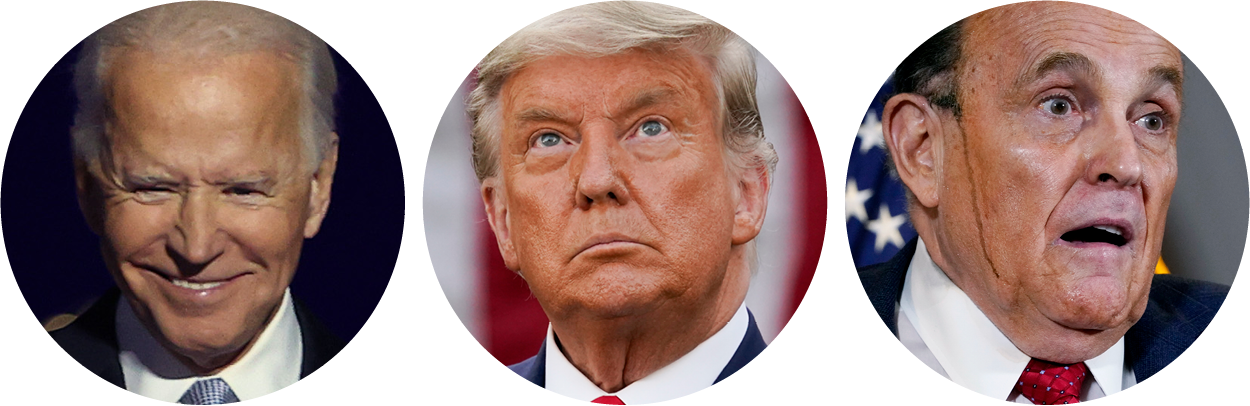
Donald Trump lost the election to Joe Biden. Rudy Giuliani, Trump's lawyer had a hair dye malfunction. Photos / AP, Getty Images
Donald Trump lost the election to Joe Biden. Rudy Giuliani, Trump's lawyer had a hair dye malfunction. Photos / AP, Getty Images
Meanwhile, the President of the United States, Donald Trump, lost the election.
Well, he doesn’t think he has. He’s refusing to concede defeat to President-elect Joe Biden.
He’s got until January 20 before he’s kicked out of the White House after a campaign which saw him contract Covid (despite swearing by the malaria and lupus medication he was taking) and be supported by lawyer and former mayor of New York Rudy Giuliani, who is now more known for a press conference in which hair dye dripped down his face.

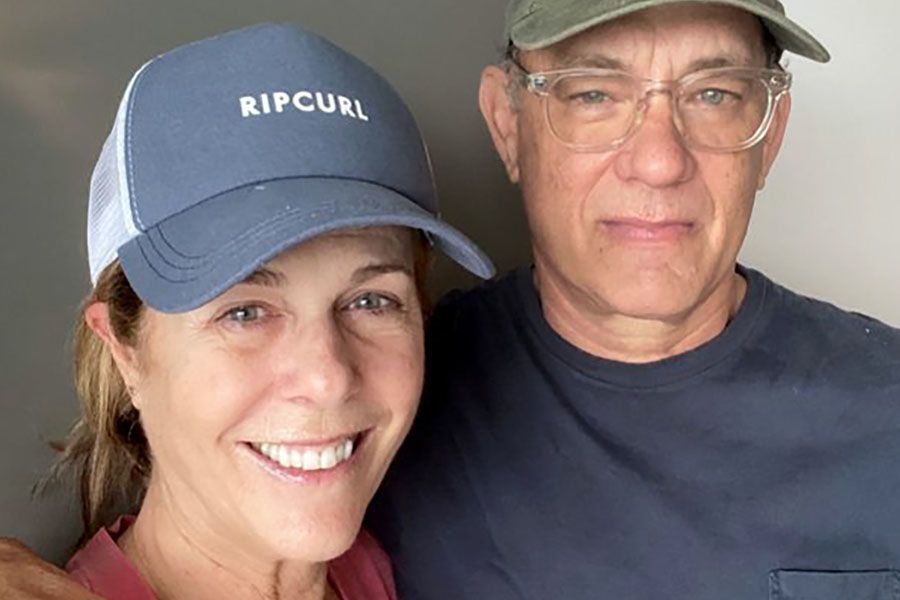
Tom Hanks and Rita Wilson reassure fans about their health.
Tom Hanks and Rita Wilson reassure fans about their health.
Lots of other world leaders and celebrities got the virus too: Boris Johnson, Tom Hanks, The Rock, the Beckhams, Prince Charles and Prince William.

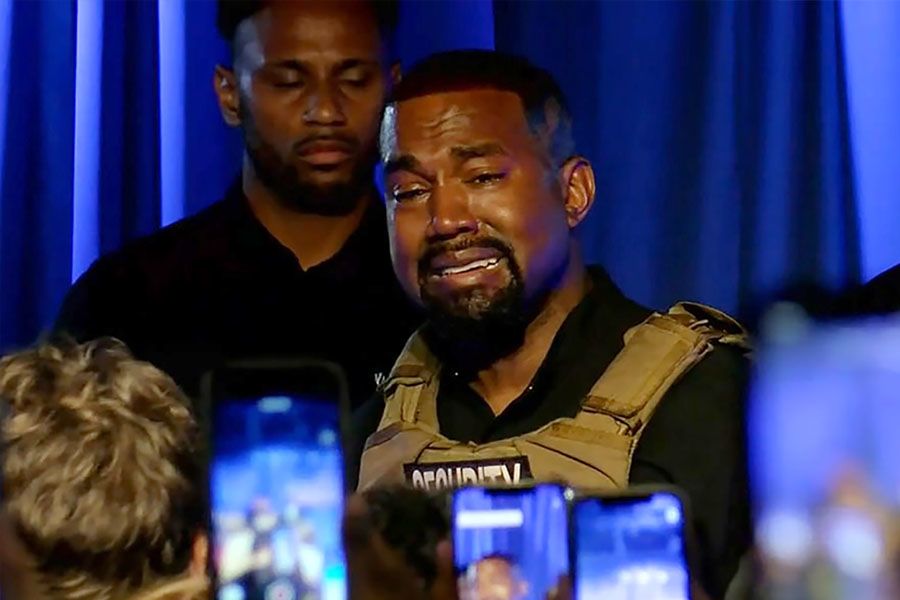
Kanye West breaks down at a rally. Photo / Live 5 News
Kanye West breaks down at a rally. Photo / Live 5 News
Kanye West also ran for President. At one of his rallies, the rapper, who suffers from bipolar, broke down and told the audience he had wanted to abort his daughter.
He later posted a series of late-night tweets claiming his wife, reality star Kim Kardashian, was trying to have him locked up on medical grounds.

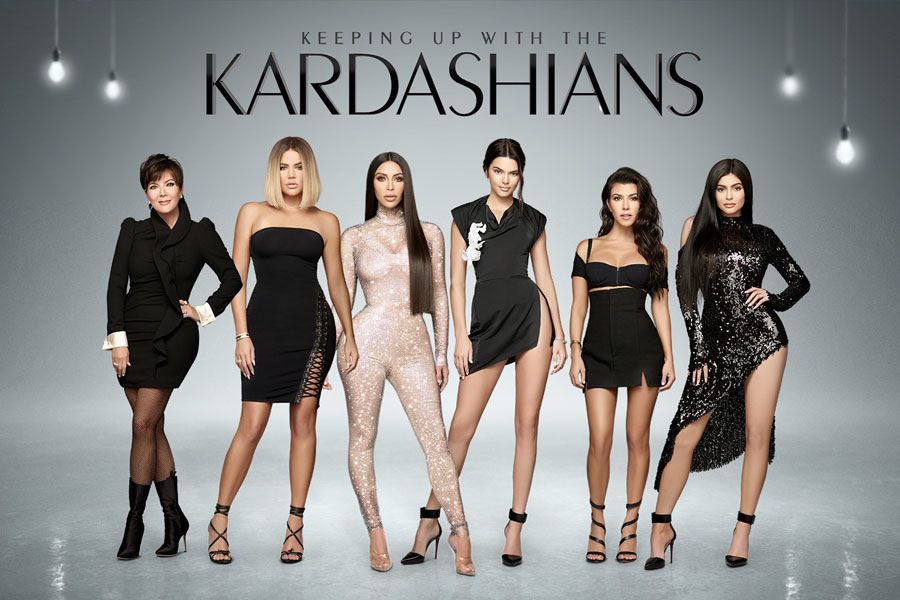
This is what a Kardashian looked like.
This is what a Kardashian looked like.
Kim’s Keeping Up with the Kardashians series, which beamed catfights and fake reality into living rooms for 19 seasons, ended.

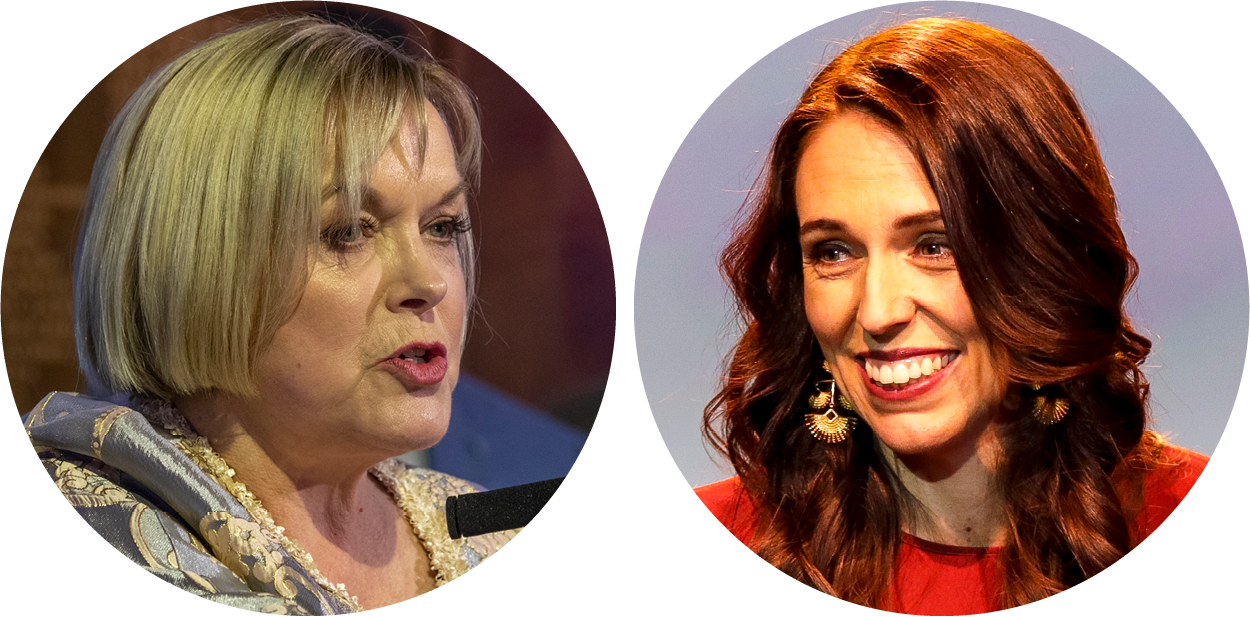
National leader Judith Collins concedes defeat as Ardern gives her victory speech. Photos / Mark Mitchell, Mike Scott
National leader Judith Collins concedes defeat as Ardern gives her victory speech. Photos / Mark Mitchell, Mike Scott
New Zealand’s own election was delayed because of lockdown but not before the Health Minister resigned after it was revealed he had driven to a park to ride his mountain bike during lockdown. He’d also driven his family 20km to a beach despite the warning about essential travel.
A string of other political scandals plagued the two major parties’ campaigns, including a Covid patient details leak, a married minister’s 12-month affair with a staffer, and an MP’s inappropriate texts sent to a teenager.
And the National Party kept changing its leaders. Todd Muller lasted 53 days. The new leader, Judith Collins, is known as Crusher, a moniker she gained after she proposed legislation to crush boy racers’ cars in 2009.
But on October 17, Ardern won by what can only be described as a landslide. With 65 seats, it was the first time a party has won enough seats to govern alone since MMP was introduced in 1996.
Two referendums were also held. Legalisation of the personal use of cannabis failed to get over the line but the right to end your life if terminally ill passed.

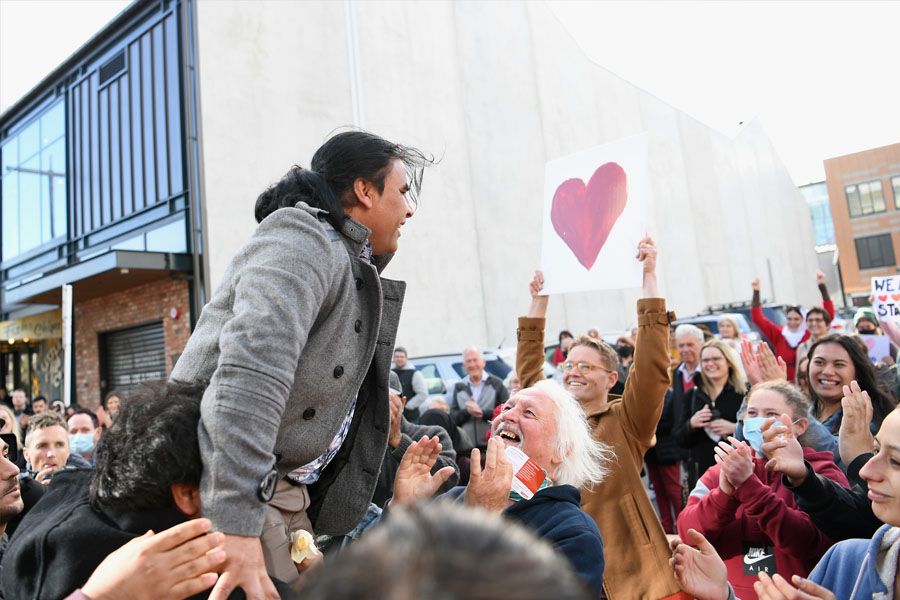
Abdul Aziz, who saved lives by running at the mosque gunman, celebrates outside the High Court at Christchurch after the gunman’s sentencing. Photo / Getty Images
Abdul Aziz, who saved lives by running at the mosque gunman, celebrates outside the High Court at Christchurch after the gunman’s sentencing. Photo / Getty Images
And our courts handed down the toughest sentence in New Zealand’s history for the wicked Christchurch mosque killer. His horrific attack last year, which left 51 dead and a further 40 injured, earned him life imprisonment without parole meaning he will never, ever be freed.

I DIDN'T plan to bring a baby into this world amid a global pandemic.
When I found out you had joined us, the worries flooded in.
Should I never leave the house? Am I completely irresponsible bringing a baby into a world during an unprecedented crisis? What will happen if your dad or I start getting coronavirus symptoms?
Would your dad be allowed in the delivery room when you arrive? Will I be FaceTiming your grandmother in the throes of labour, instead of hearing her reassuring voice in the room? When will she get to meet you if we go back into lockdown?
I WROTE a story about a mother whose twin boys were born in March at 23 weeks. One died but the other, who was not much bigger than a pen when he was born, is getting stronger every day.

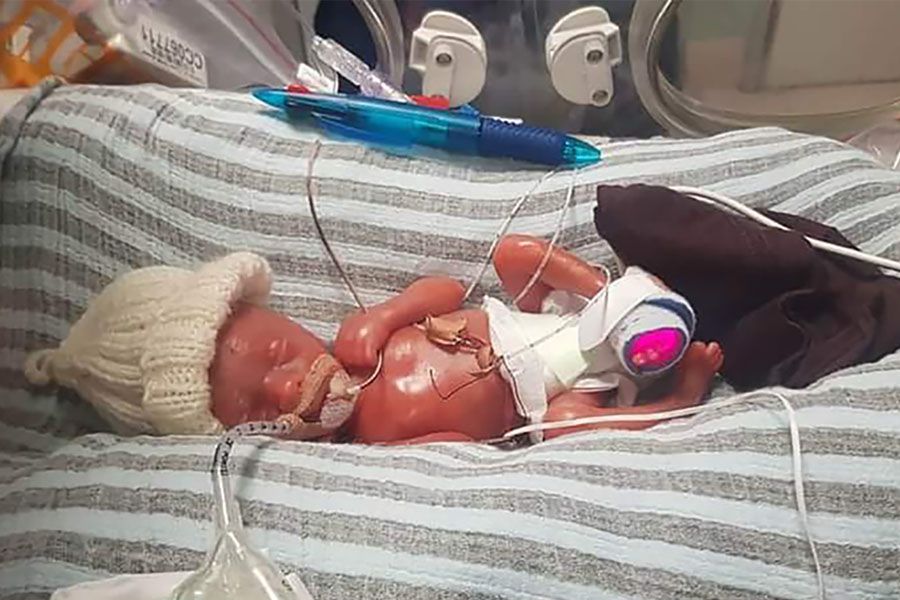
Declan Colhuquon was just 400g when he was born at 23 weeks. Photo / Supplied
Declan Colhuquon was just 400g when he was born at 23 weeks. Photo / Supplied
As he battled for his life over lockdown, Wellington Hospital was only letting mothers into the neonatal intensive care unit so his father was not allowed to see him for six weeks. He waited in the hospital carpark for her. I can’t begin to imagine what he went through.

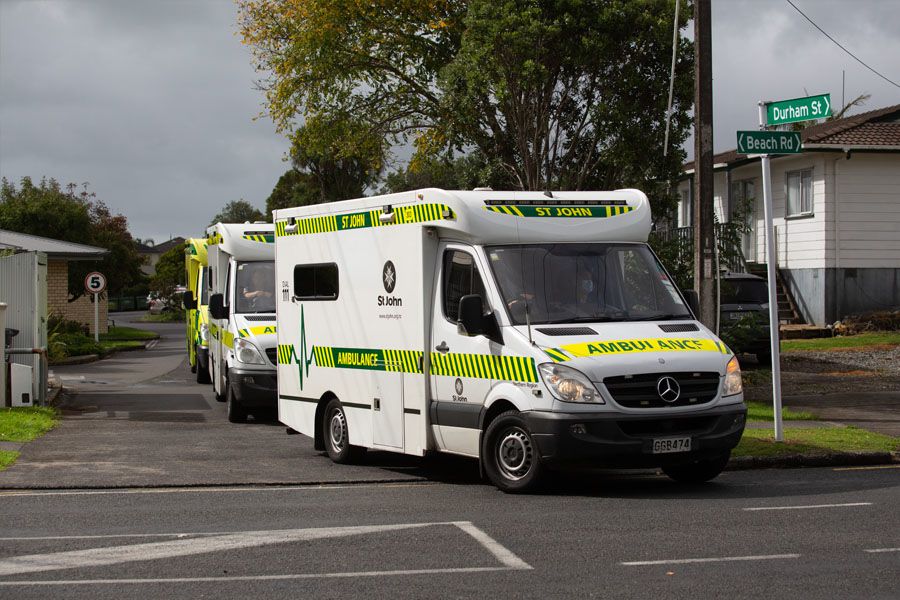
Ambulances leave a Te Atatu rest home to transport residents to hospital. Photo / Sylvie Whinray
Ambulances leave a Te Atatu rest home to transport residents to hospital. Photo / Sylvie Whinray
At our antenatal classes last weekend, several couples spoke about how nervous they were to give birth with their parents living in different countries, unable to support them.
What about when it comes to giving birth at our local hospital? That’s where those nurses tested positive.
There were ridiculous, un-Covid-related worries too - I Googled to check if you would come out if I sneezed too hard.
The week we found out about you, the Herald was running a series about miscarriages, which are not talked about openly enough. At the top of every story over the 10 days was this sobering statistic: One in five women suffers a miscarriage. Your dad told me to stop reading such things. A bit hard when you are editing the paper it is in.

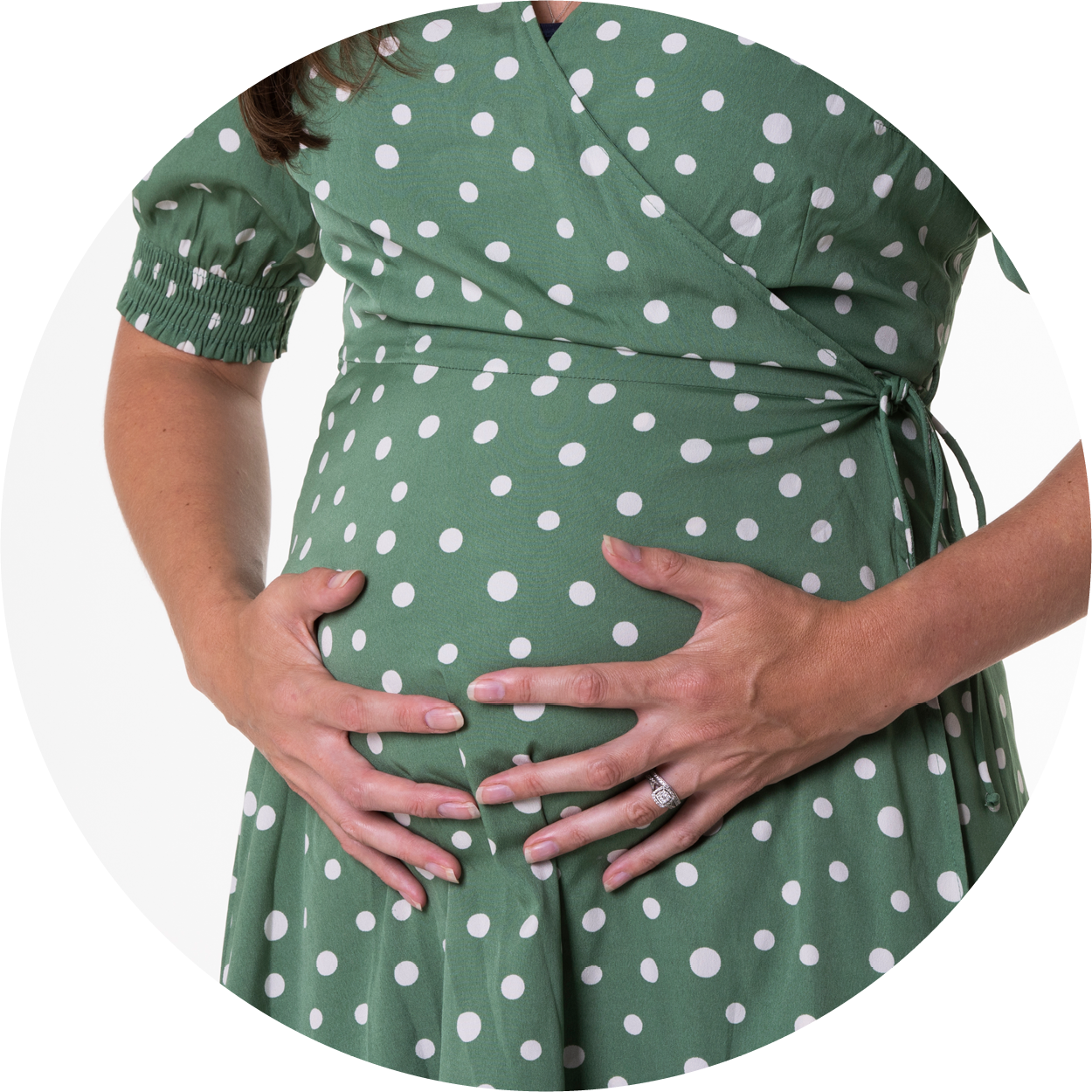
The fears flooded in after I found out about you. Photo / Brett Phibbs
The fears flooded in after I found out about you. Photo / Brett Phibbs
I was turned away from 10 midwives whose caseloads were full. The lockdown baby boom was in full swing.
I had a whole plan to tell your grandparents about you - their first grandchild - in person. I’d give mum a cheesy onesie that read “my favourite grandma” and catch her reaction on camera. But we didn’t know when we would be able to travel to see them again.
When I went to the GP to quadruple-confirm you existed, there were angry red signs at the door, exclaiming ‘STOP!’ and telling me to turn around if I had any Covid symptoms.
The receptionist asked if I had a runny nose, a sore throat or a cough before she would let me in the waiting room.

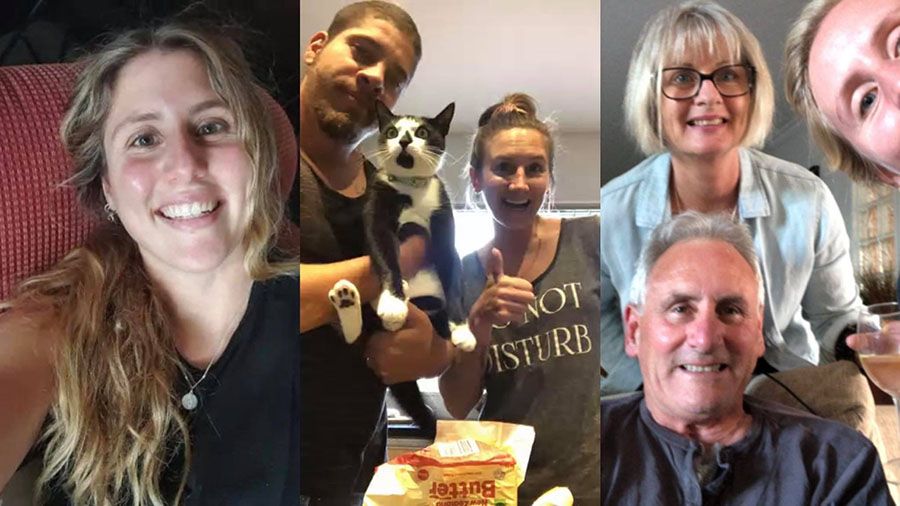
Zooming with your grandparents and aunties.
Zooming with your grandparents and aunties.
The doctor said pregnant people shouldn’t really be around cats because of a risk of catching toxoplasmosis, a parasitic disease, and I remembered trying to force those damn party hats on them.
The same day Bloomfield announced two more Covid cases in managed isolation. The newest was in Rotorua, the first the city had seen. My hometown. Where your grandparents live. The virus was spreading past the major hubs.
But New Zealand went 102 days with no cases in the community and was held up as the poster country for combating Covid.
Then it came back.

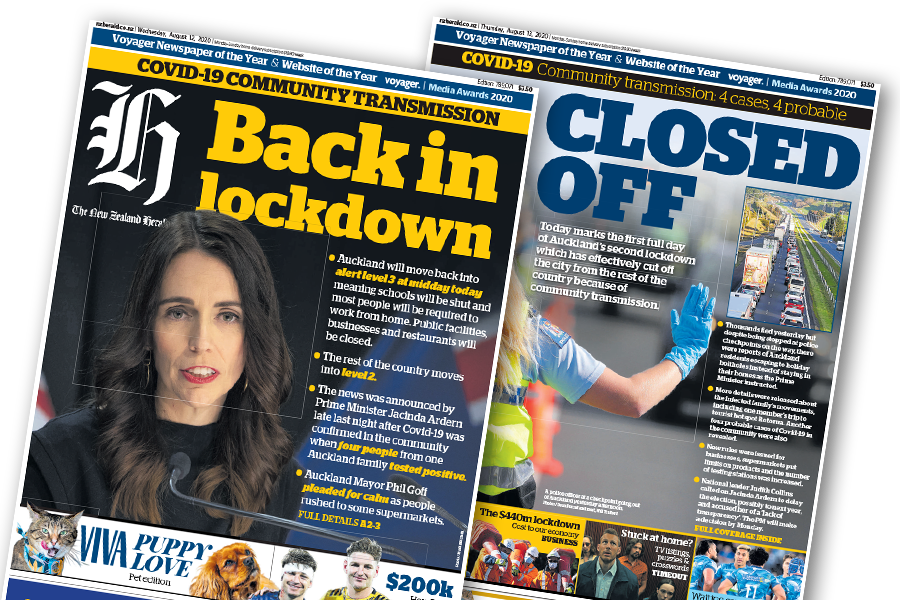
AUCKLAND WAS plunged back into its second lockdown in August after four members of the same family with no link to overseas travel tested positive. It would become the country’s biggest cluster.
Two days later, I was due to have my three-month scan. The vital one. I’d get to see you moving around, your heartbeat pumping. They tell you if everything is growing how it should be. And the risk for miscarriage drops significantly.
I called to check the rules and my heart sank when they said your dad couldn’t come in with me.
I was told to wait in the car until 9am on the dot and to wear a mask.

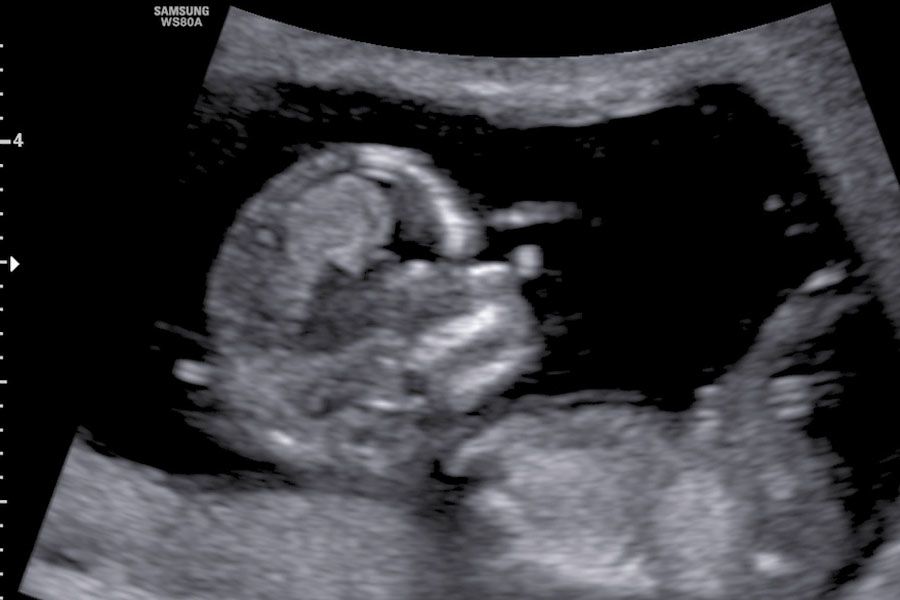
You at 12 weeks.
You at 12 weeks.
The sonographer wouldn’t let me film it either, something about interfering with the machines. I saw you bouncing up and down for the first time, saw your little heartbeat moving fast and healthily. It was bittersweet without seeing your dad’s reaction next to me. I asked a million questions and tried to remember every detail so he could share the experience.
A week later, your dad wasn’t allowed in the midwife’s office to hear your heartbeat for the first time.

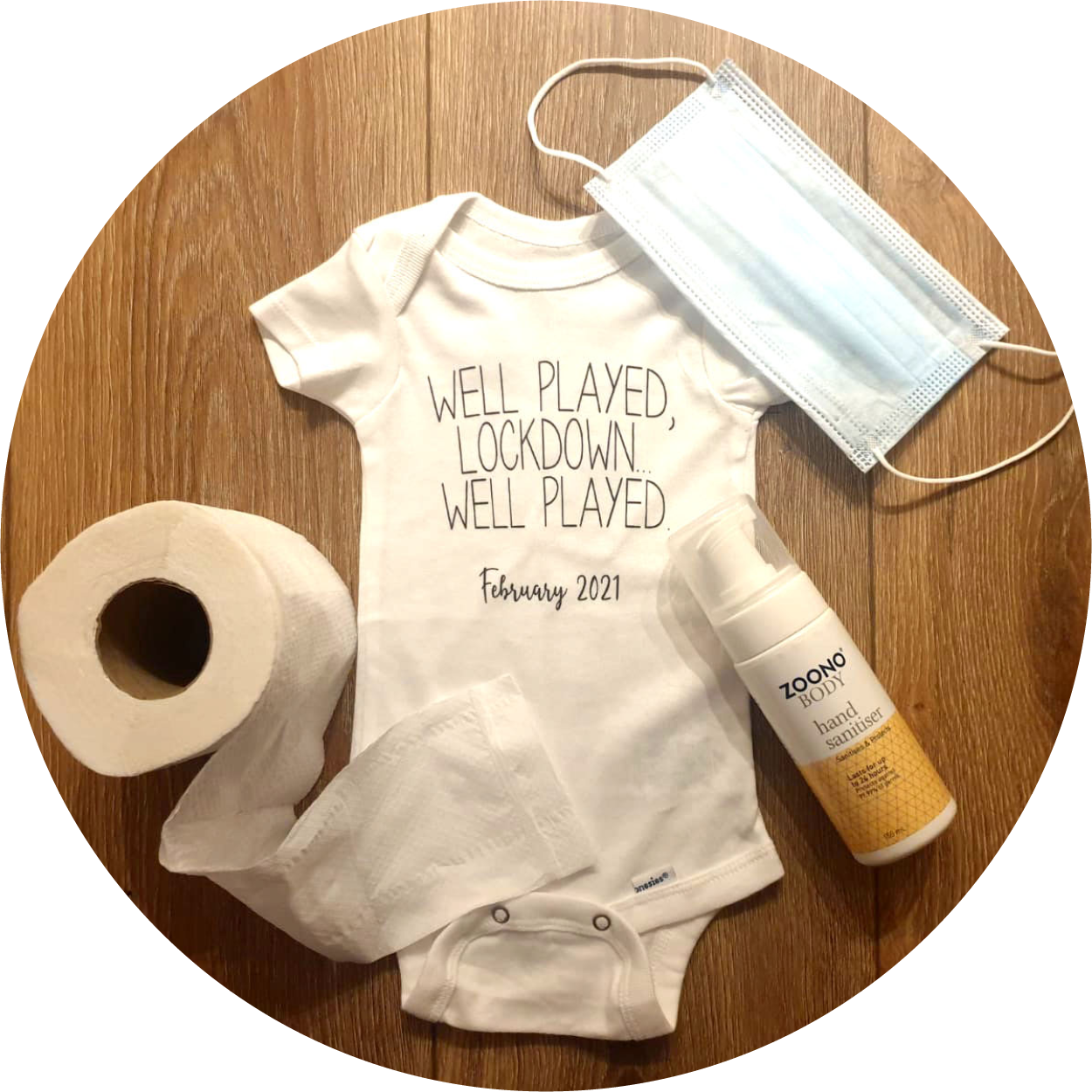
Your big reveal on social media.
Your big reveal on social media.
I felt selfish telling people about you, like I would be bragging during a time when so many people were going through so much.
I thought I’d better come clean with colleagues because who knew how long this second lockdown would last and how big the bump would be when I finally returned to the office?
I told my team via Zoom. Everyone was so supportive, but it doesn’t beat seeing people’s reactions in real life.
A few days later, our local supermarket closed after it emerged a positive case had visited. I had done a full shop there the day before.
Everyone has a story like this to tell. A close call, a scare or - even worse - has had the disease themselves.
But again, my worries seemed trivial.

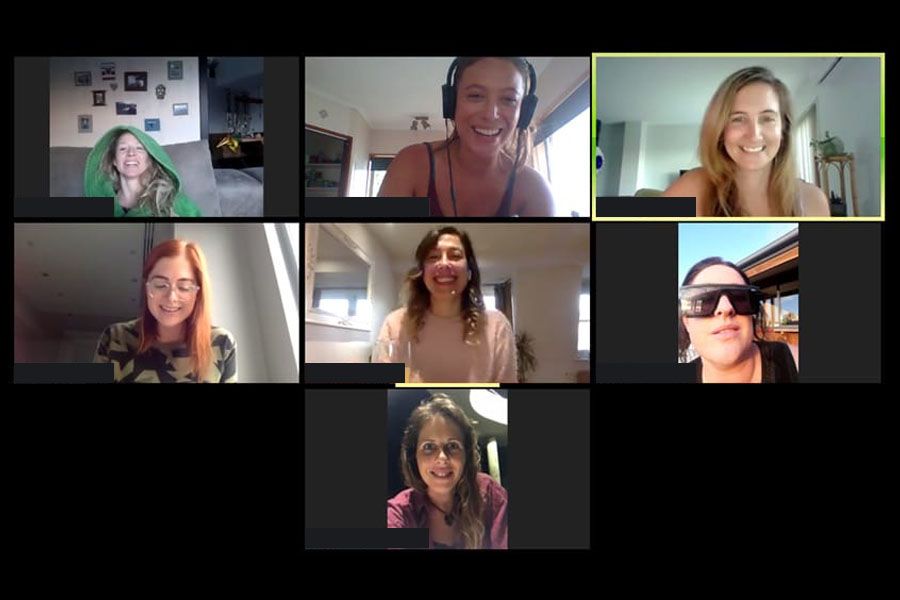
Zooming with the girls in five different time zones.
Zooming with the girls in five different time zones.
THINGS COULD have been much worse. You could have joined our bubble in Brazil.
We speak to your grandmother in Sao Paulo every weekend and plead with her not to leave the house.
You could have been in our bubble in Europe, if we had been allowed to continue with our trip around Britain and Austria in August.
Britain has more than 2 million cases compared with New Zealand’s 2100-odd cases.
A Whatsapp group I’m in with a bunch of my old friends reinforces how lucky we are.
Stephanie had to shut down the restaurant she owns in Peru for four months, rendering her incomeless.
Rachael in London lost her job in sales and has gone back to personal training to bring in money and help people’s physical and mental health. Her Christmas was essentially cancelled as a third of the UK country was plunged into its third lockdown due to new strain of the virus.
Cherie, a teacher in Austria, has picked up extra shifts at her school as two colleagues have Covid. But today, her country will also go into its third lockdown.
Helene, a beautician in Australia, was out of work for four months and as a Kiwi wasn’t eligible for benefits there.

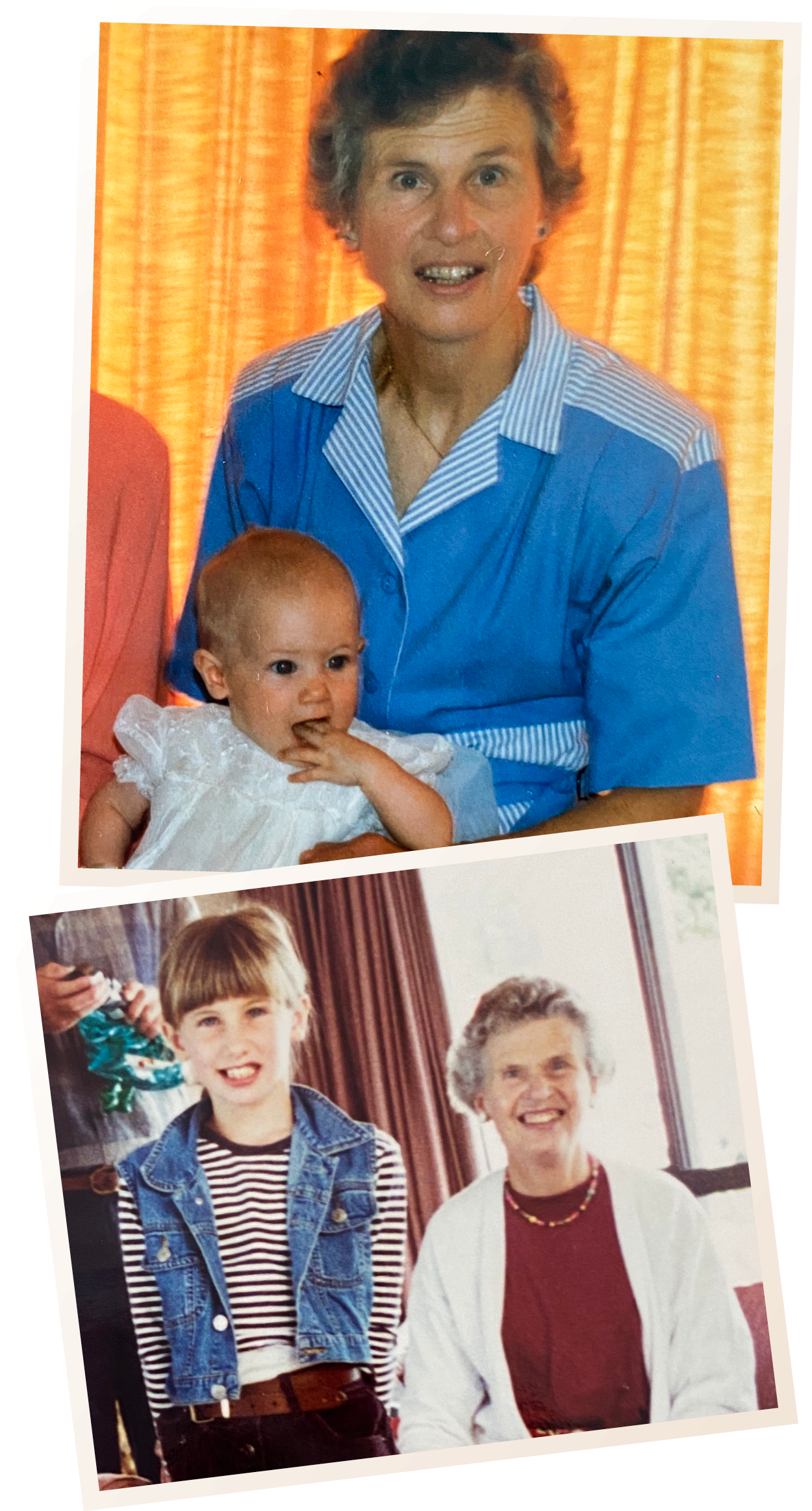
Me and your great-grandmother Patricia Soar.
Me and your great-grandmother Patricia Soar.
In September, we received the news my grandmother was dying. We were just out of lockdown but rest homes had their own sets of rules to protect themselves.
Mum came up to Auckland to see her. Two people at a time were allowed into the room. But by the time she arrived, the rules changed and no visitors were allowed.
Two weeks later she died.
We never got to say goodbye.
At her funeral we were allowed only 50 people so some were turned away. A church pew had to separate immediate family groups. Addresses, emails and phone numbers were taken. At the after-function we weren’t allowed to graze on the so-called finger food or pour our own drinks - masked waitresses used tongs to put on paper plates what we wanted.
Because of the four-week isolation period (two weeks on either side of the Tasman), a daughter and three grandchildren living in Australia couldn’t attend.

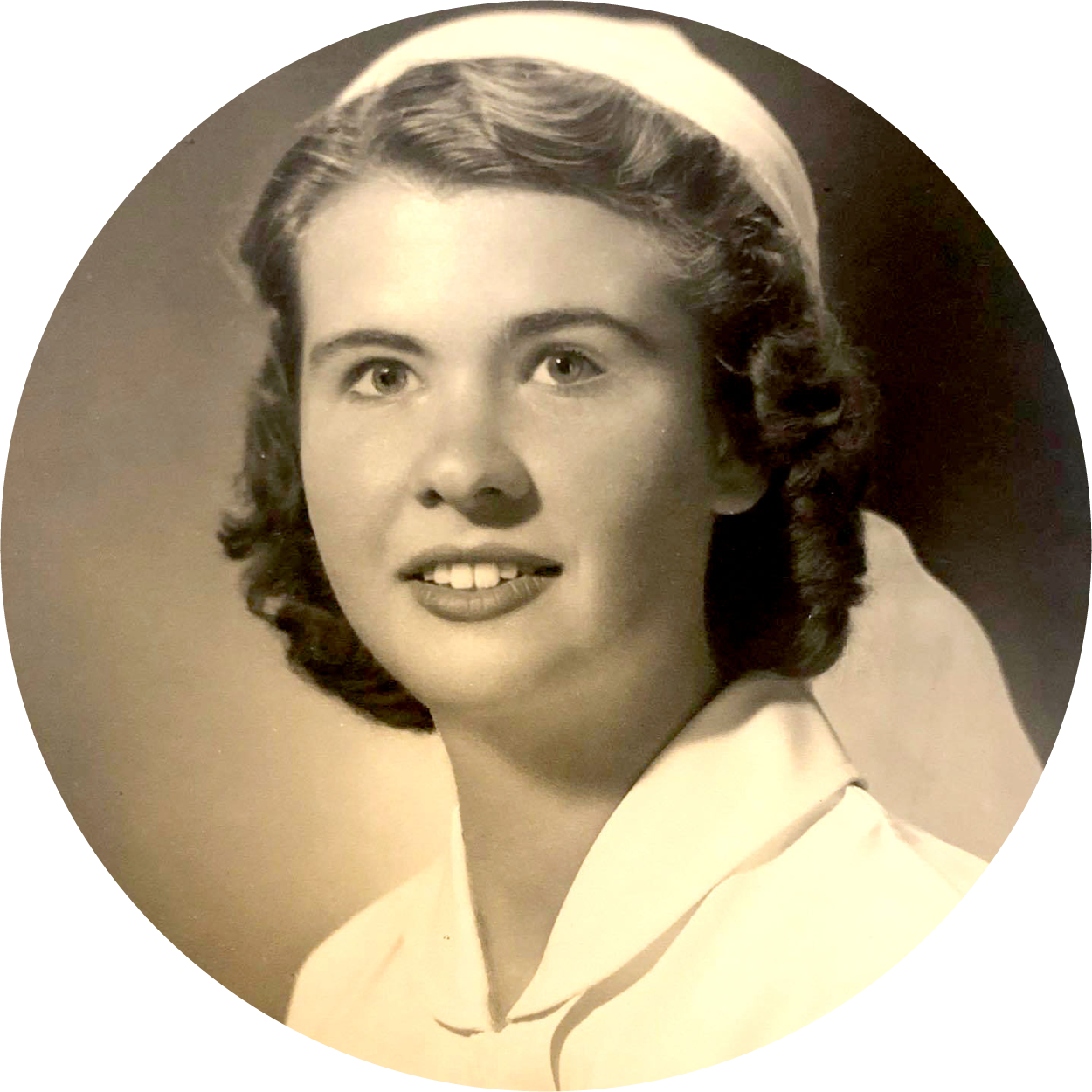
Pat was a dental nurse and gave birth to nine children.
Pat was a dental nurse and gave birth to nine children.
It all felt so clinical for an event which was meant to celebrate 91 years of a woman’s life. A woman who survived the Great Depression, a world war and nine children on a farm in Taumarunui.
There are so many heartbreaking tales like this in New Zealand; weddings cancelled, people unable to get back into the country to see their dying loved ones.
YOU GAVE us a scare that week. There had been some bleeding so my midwife sent me for a scan. Luckily everything was normal and the sonographer was able to tell us three weeks before you usually find out that you were a little boy.
The topic of gender will be a fascinating thing once you’re old enough to read this. Some New Zealand parents are shunning all stereotypes and raising their children non-binary. The pregnant model Emily Ratajkowski says her child will decide its gender and let her know what it is at 18.

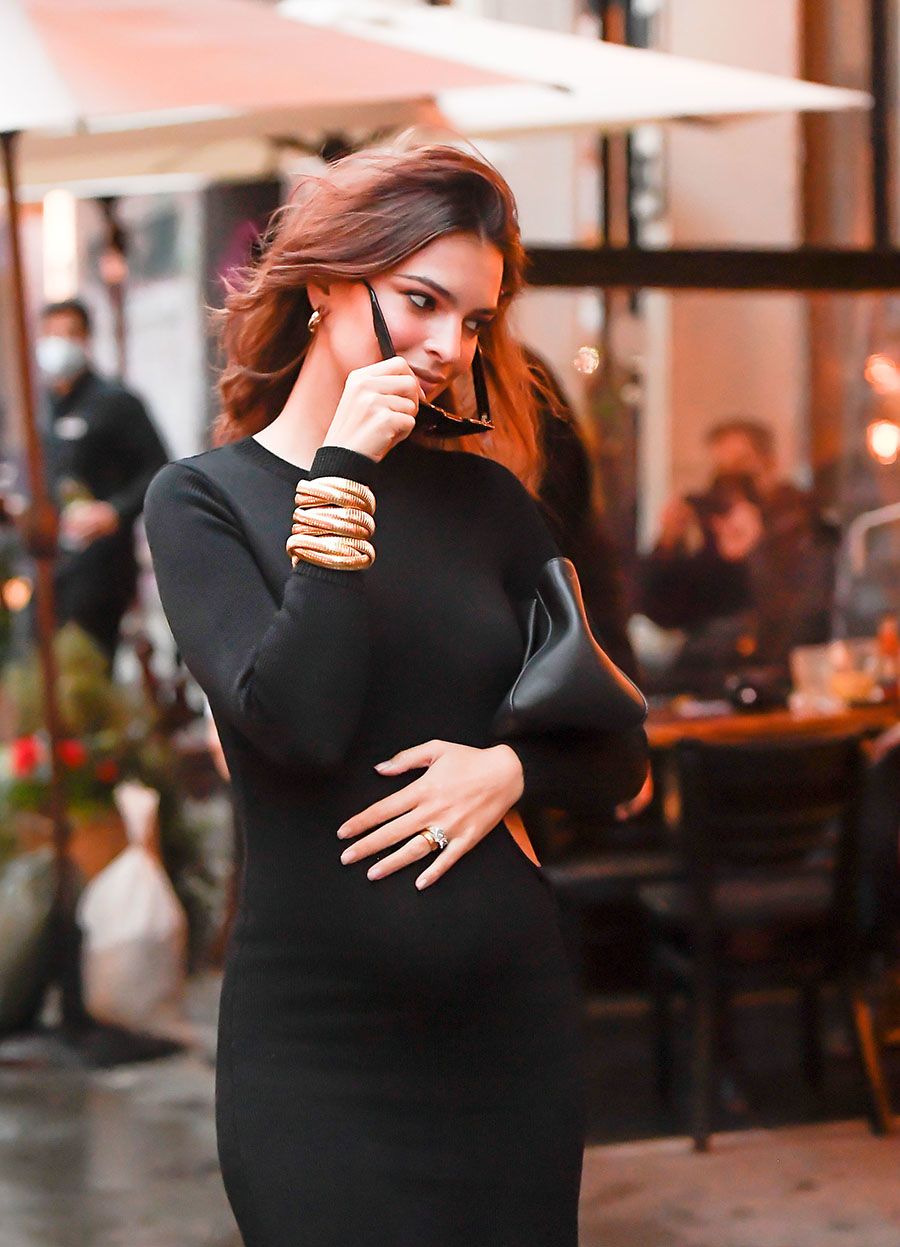
Model Emily Ratajkowski. Photo / Getty Images
Model Emily Ratajkowski. Photo / Getty Images
You gave us another scare about 25 weeks. With a million things on the brain, carrying a bag of heavy books, I fell over in the pouring rain while crossing the road on my way back to the carpark after work.
I landed on my knees and elbow, grazing them. With blood pouring out and ripped pants, I hobbled to the car.

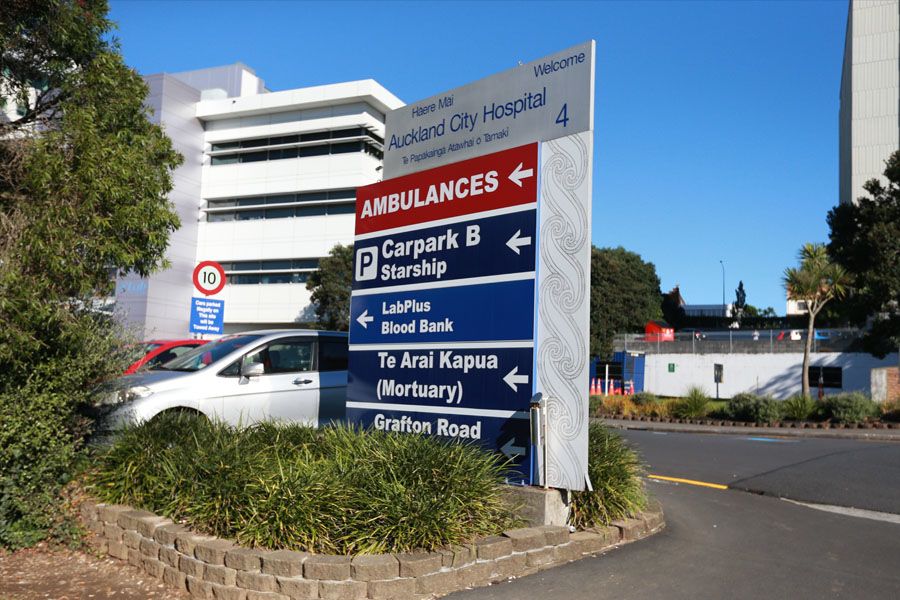
Auckland City Hospital. Photo / Doug Sherring
Auckland City Hospital. Photo / Doug Sherring
A week later, with full bruised knees and battle scars, the midwife noticed during a checkup and sent me for a scan straight away, scolding me for not going to the hospital at the time for monitoring. She said I could have bled out and the cord could have got wrapped around your neck from the sudden jolt.
The scan showed there were no fall-related internal problems, but the sonographer did discover a hole in your heart, a foramen ovale. All babies have it, but yours is more pronounced. You also had an extra beat.
I had to visit a specialist at Auckland Hospital who said I'll need to increase midwife appointments to weekly so they can monitor your heart diligently.
But every time I feel your little foot kicking me in the side, I relax a little more.
COMMUNITY TRANSMISSION would rear its ugly head again several more times before the end of the year and it probably will again.

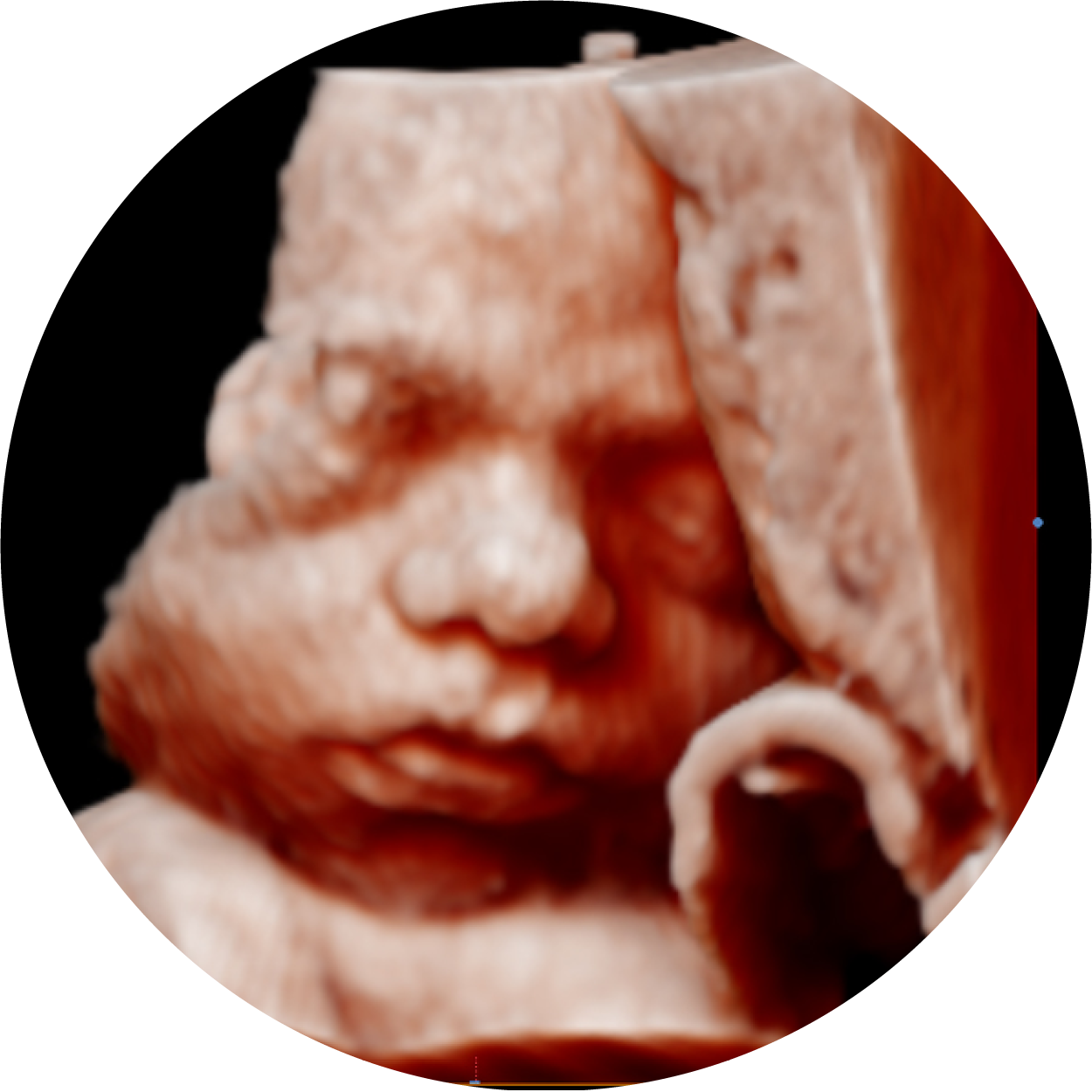
You safe in the womb at 26 weeks.
You safe in the womb at 26 weeks.
In November a third lockdown loomed after an AUT student who lived and worked in the city tested positive but had no known links to overseas travel.
As I fired up the Zoom account for the third time in my trackpants and with unwashed hair the thought of keeping you home for the next three months actually seemed like a smart idea as the virus got closer again.

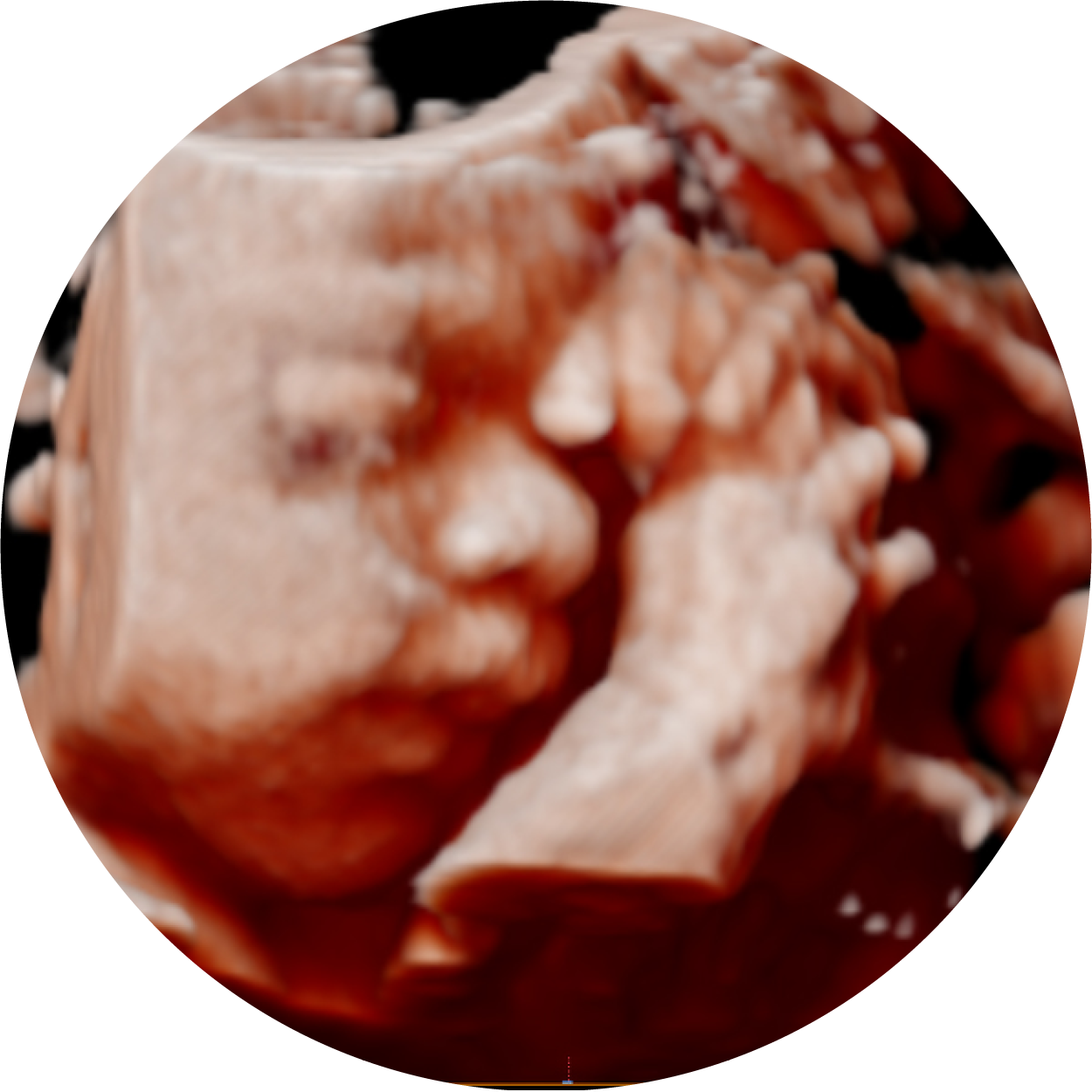
A symbol of hope.
A symbol of hope.
I wasn’t planning to have a baby shower and have people feel obliged to spend money on you when so many have lost jobs or are taking pay cuts.
But the temptation to get friends and family together in a couple of weeks to celebrate getting through a crazy year is too much to resist.
In some countries, they are forced to have drive-by baby showers - guests arrive at staggered scheduled times-slots, exchanging pleasantries with the happy couple from a social distance.
Your grandparents and excited aunties have named you Quarantino and bought you Christmas presents even though you’re not due to arrive for a few more weeks.
You are our symbol of hope. A positive thing to come out of a year many of us want to forget.

 Built with Shorthand